Architectural Trends in Israeli Luxury Real Estate
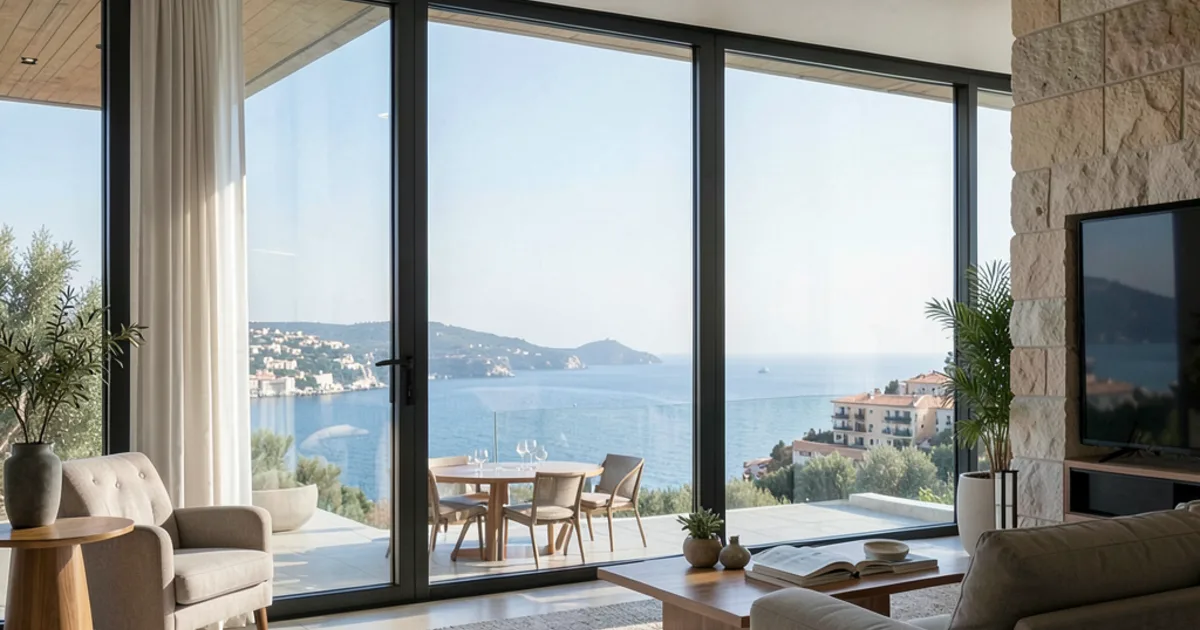
The Israeli luxury real estate market is undergoing a profound architectural transformation, driven by a unique blend of Mediterranean heritage and global modernist influences. From the soaring penthouses of Tel Aviv to the sprawling coastal estates of the Sharon region, design is no longer just about aesthetics; it is about lifestyle, security, and seamless integration with the environment. For discerning investors and homeowners, understanding these trends is essential to navigating a market that demands both extreme sophistication and technical precision. This guide explores the defining architectural movements and the practical realities of acquiring high-end property in Israel.
- The Evolution of Modernist Influence in Israeli Luxury Living
- Integrating Indoor-Outdoor Living in Mediterranean Coastal Estates
- Smart Home Technology and Sustainable Design in High-End Developments
- The Aesthetic of Brutalist Minimalism in Tel Aviv Penthouses
- Premium Materiality: The Use of Local Stone and Natural Elements
- Navigating Custom Builds: From Planning Permits to the Tabu
- Luxury Waterfront Architecture: Balancing Views with Privacy
- Spatial Planning: Open-Concept Living vs. Private Sanctuaries
- Security Integration in High-End Residential Design
- The Impact of Urban Density on Luxury Vertical Living
- The Financial Landscape of Israeli Luxury Real Estate
The Evolution of Modernist Influence in Israeli Luxury Living
The architectural identity of Israel has long been rooted in the principles of International Style and Bauhaus, a legacy that continues to inform contemporary luxury design. While the historic 'White City' remains a testament to these origins, modern luxury developments are reimagining these clean lines and functionalist ideals for a new era. Today, the focus has shifted from simple geometric forms to a more complex, layered interpretation of modernism that emphasizes volume and light. This evolution allows for homes that feel both timeless and cutting-edge, catering to a clientele that appreciates understated elegance over overt opulence.
In high-end residential projects, we see a sophisticated departure from the rigid structures of the past toward more fluid, organic modernism. Architects are increasingly using large-scale glass volumes and cantilevered structures to create a sense of weightlessness. This approach is particularly evident in new villa constructions where the building appears to float above the landscape. By prioritizing open floor plans and continuous sightlines, designers are able to create an atmosphere of expansive luxury that feels connected to the surrounding environment rather than isolated from it.
This modernism is not merely about visual appeal but also about the psychological impact of space and light. High-end Israeli architecture utilizes light as a primary building material, employing strategic apertures and skylights to guide the inhabitant's experience throughout the day. The result is a living environment that feels dynamic and responsive to the natural rhythms of the Mediterranean sun. For the luxury buyer, this means investing in a property that offers a sense of tranquility and mental clarity through thoughtful, modern design.
Integrating Indoor-Outdoor Living in Mediterranean Coastal Estates
Living in Israel, particularly along the Mediterranean coast, necessitates an architectural approach that embraces the climate rather than fighting it. The trend toward seamless indoor-outdoor living has become a cornerstone of luxury estate design in regions like Herzliya and Netanya. This is achieved through the use of massive sliding glass walls that disappear into pockets, effectively erasing the boundary between the living room and the terrace. Such designs allow the sea breeze to naturally ventilate the home, reducing reliance on artificial cooling while enhancing the connection to the landscape.
The concept of the 'outdoor room' has moved far beyond a simple patio or balcony. In contemporary luxury builds, the terrace is treated with the same level of material sophistication as the interior, featuring high-end stone flooring, integrated lighting, and built-in kitchen facilities. These spaces often include infinity-edge pools that appear to merge with the Mediterranean horizon, creating a visual continuity that is highly sought after in seafront estates. The goal is to create multiple zones for relaxation, dining, and entertainment that feel like a natural extension of the primary living areas.
To successfully implement this lifestyle, architects must consider the practicalities of shade and privacy. Perforated metal screens, automated pergolas, and strategically placed greenery are used to create microclimates that allow for outdoor enjoyment even during the peak heat of the day. This careful management of light and air ensures that the luxury experience remains comfortable year-round. When evaluating a property, it is vital to assess how well these transitional spaces are integrated into the overall architectural flow.
- Seamless glass partitions and pocket doors.
- Integrated outdoor kitchens and dining pavilions.
- Infinity-edge pools with horizon views.
- Climate-responsive shading solutions like automated pergolas.
Smart Home Technology and Sustainable Design in High-End Developments
Sustainability is no longer an optional extra in the luxury sector; it is a fundamental requirement for modern, high-value properties. In Israel, where solar energy is abundant, integrating advanced photovoltaic systems into the architectural design has become standard for new luxury builds. This goes beyond simple solar panels; it involves the use of smart glass that tints automatically to manage heat gain and high-efficiency thermal insulation. These features significantly reduce the energy footprint of a large villa while maintaining a high level of comfort and luxury.
Smart home technology has evolved from basic automation to fully integrated, AI-driven ecosystems that manage everything from lighting and climate to security and acoustics. In a high-end penthouse or villa, these systems are designed to be invisible, controlled via intuitive interfaces that do not disrupt the aesthetic harmony of the space. The ability to customize the environment, adjusting the temperature of a specific room or setting the lighting for a dinner party with a single command, is now an expected standard for the luxury buyer.
The intersection of technology and sustainability also includes sophisticated water management systems. Given the regional importance of water conservation, luxury homes are increasingly equipped with greywater recycling systems for garden irrigation and advanced rainwater harvesting. These systems are integrated into the building's infrastructure during the initial design phase, ensuring they are both efficient and discreet. Investing in a home that is both technologically advanced and environmentally conscious is a prudent strategy for long-term value retention.
The Aesthetic of Brutalist Minimalism in Tel Aviv Penthouses
In the dense urban landscape of Tel Aviv, a distinct trend of 'Brutalist Minimalism' has emerged among the city's most exclusive penthouse developments. This style draws inspiration from the raw, honest use of materials characteristic of mid-century brutalism but refines it with a high-end, luxurious finish. Architects utilize exposed concrete, matte metals, and textured stone to create spaces that feel grounded and powerful. This aesthetic resonates with a demographic that seeks a sophisticated, urban identity that stands apart from traditional, overly decorative luxury.
The hallmark of this trend is the celebration of material integrity. Rather than hiding the structural elements of a building, designers use them as focal points, treating a concrete wall or a steel beam as a piece of art. This is balanced by the inclusion of extremely high-quality finishes, such as oversized marble slabs or custom wood paneling, which soften the raw edges. The result is a tension between the rugged and the refined, creating a living space that feels both incredibly strong and deeply comfortable.
Spatial layout in these urban penthouses is characterized by large, uninterrupted volumes and a sense of monumental scale. High ceilings and floor-to-ceiling glazing are used to maximize the sense of space and to frame the iconic Tel Aviv skyline. The minimalism is not about emptiness, but about the careful curation of space, where every piece of furniture and every architectural detail is chosen with intention. For the urban dweller, this style provides a serene, uncluttered sanctuary amidst the kinetic energy of the city.
Premium Materiality: The Use of Local Stone and Natural Elements
The selection of materials is perhaps the most critical component in defining the character of an Israeli luxury home. There is a growing movement toward 'hyper-local' materiality, where architects prioritize stones and textures that are native to the region. Jerusalem stone remains a prestigious choice, but it is being used in more contemporary ways, such as large-format slabs or textured cladding, rather than traditional masonry. This allows the property to feel deeply connected to the Israeli landscape while maintaining a modern, global aesthetic.
In addition to local stone, the use of high-quality natural wood and organic textiles is essential for creating warmth within minimalist structures. In coastal estates, light-toned woods like teak or oak are often paired with limestone to evoke a sense of seaside elegance. These materials are chosen not just for their beauty, but for their ability to age gracefully in the Mediterranean climate. A well-chosen material palette ensures that the property maintains its luster and character over decades of use.
The tactile experience of a luxury home is as important as its visual impact. High-end developments focus on the 'touch' of the space, selecting finishes that feel substantial and premium to the hand. This includes everything from the weight of custom metal hardware to the smoothness of honed marble countertops. When browsing luxury listings, pay close attention to the descriptions of materiality, as these details often reveal the true level of craftsmanship and investment poured into the property.
- Contemporary applications of Jerusalem stone.
- Large-format natural marble and limestone slabs.
- Weather-resistant high-end hardwoods (Teak, Oak).
- Textured, organic finishes for interior walls.
Navigating Custom Builds: From Planning Permits to the Tabu
Commissioning a custom luxury villa in Israel is a complex undertaking that requires navigating a rigorous regulatory environment. The process begins with the Iriya (municipality), where architects must secure necessary building permits and ensure the design complies with local zoning laws and density restrictions. This stage can be time-consuming and requires a deep understanding of local urban planning nuances. It is highly recommended to engage a professional team that has a proven track record of navigating these specific municipal hurdles.
Once the physical construction is underway or completed, the legal transition of the property is equally critical. Every detail of the build must be documented to ensure that the property is correctly registered within the Tabu land registry. The Tabu is the definitive source of truth regarding ownership and property boundaries in Israel; any discrepancy between the physical build and the registered records can lead to significant legal complications. Ensuring that the 'as-built' plans match the registered title is a vital step in the due diligence process.
Before signing a binding memorandum for a custom-built or off-plan luxury property, a thorough legal review is mandatory. This includes verifying that all necessary permits are in place and that there are no outstanding liens or encumbrances on the land. For those moving to Israel to build, understanding the interplay between the construction contract and the land registry is essential. Professional legal counsel should always be engaged to manage the complexities of the purchase, from the initial deposit to the final registration.
Luxury Waterfront Architecture: Balancing Views with Privacy
Designing for the waterfront presents a unique set of architectural challenges, primarily the tension between maximizing spectacular views and maintaining absolute privacy. In premium coastal locations, the desire for floor-to-ceiling glass to capture the Mediterranean horizon can often leave a property feeling exposed. Architects solve this through clever use of topography, tiered landscaping, and sophisticated screening elements. The goal is to create a 'protected vista' where the resident can enjoy the sea without feeling observed by neighbors or passersby.
Privacy is often achieved through the strategic placement of structural elements. For example, a villa might feature a central courtyard or a series of staggered building volumes that shield the primary living areas from view. In high-rise penthouses, the use of recessed balconies and frosted or tinted glazing can provide a sense of seclusion while still allowing for ample natural light. These design choices are essential for maintaining the sense of exclusivity that defines luxury waterfront living.
Furthermore, the harshness of the salt air and wind requires specialized architectural considerations. High-end waterfront properties must utilize marine-grade materials for all exterior elements, including window frames, railings, and cladding. Failure to do so can result in rapid deterioration, undermining the long-term value of the investment. When evaluating a seafront estate, it is important to ask about the specific durability of the materials used and the engineering of the glass systems against wind pressure.
Spatial Planning: Open-Concept Living vs. Private Sanctuaries
Modern luxury architecture in Israel is increasingly focused on a sophisticated approach to spatial planning that balances social openness with individual privacy. The 'open-concept' layout remains popular for main living areas, where the kitchen, dining, and lounge spaces flow into one another to facilitate large-scale entertaining. This creates a sense of grandeur and allows for a seamless transition to outdoor terraces. However, the trend is moving away from 'total openness' toward more defined, purposeful zones.
To counter the potential lack of intimacy in open plans, architects are incorporating 'private sanctuaries' within the home. This includes master suites that function as self-contained wings, complete with private lounges, dressing rooms, and even small terraces. Guest quarters are also being designed with greater autonomy, ensuring that visitors can enjoy privacy without intruding on the main household. This dual approach allows a home to be both a social hub and a quiet retreat.
Effective spatial planning also considers the 'service flow' of the house. In high-end villas, there is a clear distinction between the public zones used by residents and guests, and the service zones used by staff. This includes separate entrances, dedicated laundry facilities, and discrete corridors for staff movement. A well-planned luxury home ensures that the mechanics of running a large estate are entirely invisible to the inhabitants and their guests, preserving the atmosphere of effortless ease.
Security Integration in High-End Residential Design
In the luxury real estate market, security is a paramount concern, but it must be implemented with extreme discretion. The modern trend is toward 'invisible security', the integration of advanced monitoring and protection systems into the very fabric of the architecture. Rather than relying on overt barriers that detract from the aesthetic, designers use smart technology to create a secure perimeter. This includes high-definition, AI-integrated surveillance, biometric access controls, and smart sensors that are seamlessly embedded into walls and entryways.
Architectural elements can also serve as subtle security features. For example, the use of reinforced structural columns, high-impact glazing, and strategic landscaping can provide significant protection without looking like a fortress. In gated communities or high-end developments, the security of the entire perimeter is managed through sophisticated gate systems and controlled access points, allowing the individual residence to remain open and inviting to its owners while remaining highly secure.
For the luxury buyer, the peace of mind provided by these systems is a key component of the property's value. It is important to understand that security is an ongoing investment; the technology must be capable of being updated as new threats and solutions emerge. When inspecting a property, one should look for evidence of integrated security infrastructure that is both robust and aesthetically sympathetic to the overall design of the home.
The Impact of Urban Density on Luxury Vertical Living
As major Israeli cities like Tel Aviv and Ramat Gan continue to densify, the focus of luxury real estate is increasingly shifting upward. Vertical luxury, manifested in ultra-high-end penthouses and sky-villas, is becoming a primary driver of the urban market. These properties offer a unique solution to the scarcity of land, providing expansive, high-ceilinged living spaces that sit far above the noise and bustle of the street. The challenge for architects is to create a sense of 'estate-like' luxury within a vertical footprint.
To achieve this, developers are incorporating massive amenity floors that serve as communal extensions of the private residences. These may include private clubhouses, infinity pools, wellness centers, and even sky gardens. By providing these high-level amenities, a penthouse can offer a lifestyle that rivals a sprawling suburban villa, but with the added advantages of urban connectivity and panoramic views. The design of these communal spaces is crucial, as they define the social character of the building.
Vertical living also requires a mastery of acoustic and structural engineering. In a high-rise, managing the sound transmission between floors and ensuring the building can withstand wind loads is critical to maintaining a luxury standard. High-end penthouses often utilize advanced vibration-dampening technologies and specialized acoustic insulation to ensure that the resident's sanctuary remains undisturbed by the activity in the building or the city below. For the urban investor, these technical details are the true markers of quality.
The Financial Landscape of Israeli Luxury Real Estate
Acquiring luxury real estate in Israel involves navigating a specific financial and legal framework that differs from many other jurisdictions. One of the primary considerations is the 'Mas Rekhisha' (purchase tax), which is calculated based on the property value and the buyer's residency status. For high-value properties, this tax represents a significant part of the initial acquisition cost. It is essential to work with a local professional to accurately calculate these costs and understand how they apply to your specific situation.
For those looking to sell luxury assets, 'Mas Shevah' (capital gains tax) is a critical factor to consider. This tax is applied to the profit made on the sale of real estate, and the rules regarding exemptions or reductions can be complex, particularly for primary residences. Additionally, ongoing costs such as 'Arnona' (municipal property tax) must be factored into the long-term budget. For large estates or high-value urban apartments, Arnona can be a substantial recurring expense that scales with the size and location of the property.
Financing high-end property through a 'Mashkanta' (mortgage) also requires careful planning. While luxury properties can be financed, the requirements for down payments and the criteria for loan approval can be more stringent than for standard residential properties. It is vital to conduct thorough due diligence, including a review of the Tabu to ensure a clear title and a review of the binding memorandum to understand all contractual obligations. Understanding these financial pillars ensures that the acquisition of a luxury home is as smooth as the lifestyle it provides.
FAQ
How does the Tabu land registry impact a luxury property purchase?
The Tabu is the official government registry that confirms ownership and legal boundaries. For luxury buyers, verifying the Tabu is essential to ensure there are no hidden liens, mortgages, or ownership disputes that could jeopardize the investment.
What are the most common taxes I should expect when buying in Israel?
The most significant upfront cost is the Mas Rekhisha (purchase tax), which varies based on the property value and your status. You should also account for legal fees, notary costs, and eventual ongoing municipal taxes known as Arnona.
Can I build a custom villa that follows modern architectural trends?
Yes, but it requires navigating the local Iriya (municipality) for permits and adhering to zoning laws. Engaging an architect experienced in modernism and local regulations is the best way to ensure your vision is both beautiful and legal.
Why is smart home technology so prevalent in Israeli luxury homes?
Technology allows for better management of energy efficiency, security, and climate control, which is vital in the Mediterranean. It also enhances the lifestyle of the resident by providing seamless, intuitive control over their environment.
Get your personalised shortlist
Listings and up-to-date info, straight to your inbox, free, no obligation.
See luxury homes →