Can foreigners get a mortgage for luxury property in Israel?
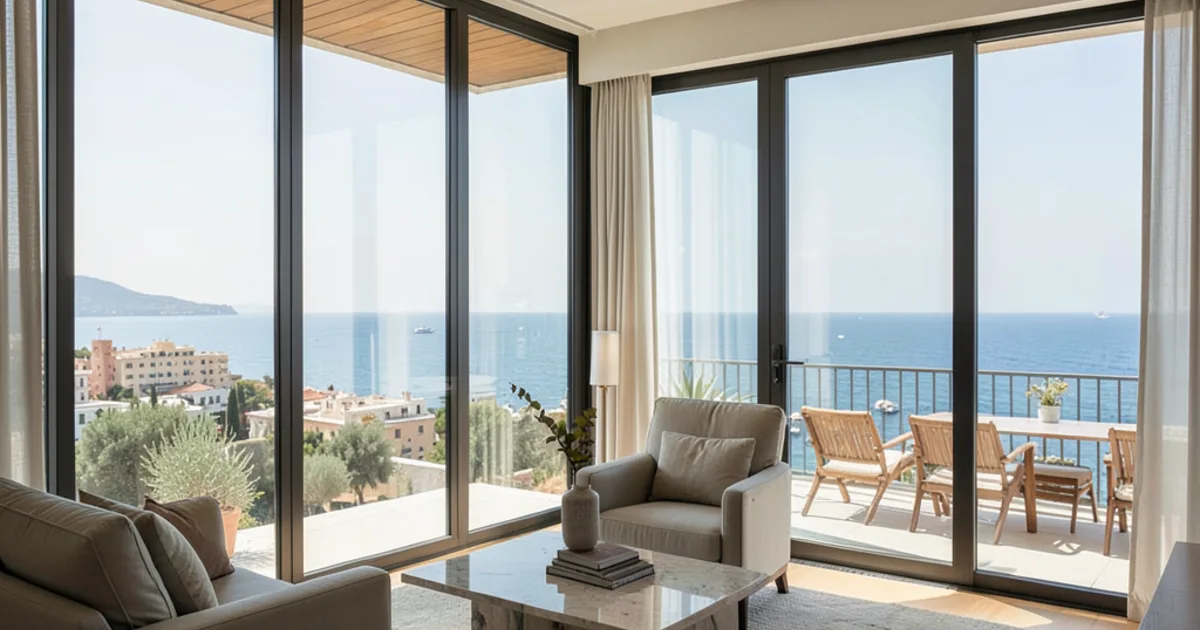
Investing in Israel's luxury real estate market, from sprawling beachfront villas to sophisticated urban penthouses, is a significant milestone for many international buyers. However, for non-residents, the path to securing a mortgage, known locally as Mashkanta, involves navigating a unique set of regulatory and financial frameworks. This guide explores the essential steps, requirements, and considerations for foreigners seeking high-end financing in the Holy Land.
- Why is the Israeli luxury market attractive to international buyers?
- How does financing differ for residents versus non-residents?
- What is the Mashkanta process for high-end properties?
- What documentation is required to prove financial standing?
- How do banks value luxury assets like beachfront villas?
- What are the primary taxes involved in a luxury purchase?
- How does the Tabu land registry protect the buyer?
- What are the ongoing costs of owning a luxury estate in Israel?
- Which professionals are essential for a successful transaction?
- What risks should foreign investors mitigate?
Why is the Israeli luxury market attractive to international buyers?
The Israeli real estate market, particularly in the high-end segment, offers a unique blend of stability and lifestyle appeal. For many international investors, the allure lies in prime locations such as the Mediterranean coastline, the prestigious neighborhoods of Tel Aviv, and the serene hills of Jerusalem. These areas host a concentrated stock of luxury assets, including sea-facing estates and modern architectural marvels, which tend to maintain value due to limited supply and high demand.
Beyond simple capital appreciation, the luxury sector provides a sense of security and exclusivity that is hard to replicate in other emerging markets. High-end properties often serve as both a lifestyle sanctuary and a strategic asset within a diversified global portfolio. Because the market is driven by a mix of local wealth and international interest, the demand for premium villas and penthouses remains resilient even during periods of global economic fluctuation.
For the foreign buyer, the opportunity to own a piece of this landscape is often accompanied by a desire for long-term integration. Whether the intention is to use the property as a seasonal residence or a permanent home, the luxury segment offers the infrastructure necessary for a seamless transition. This includes proximity to high-quality amenities, international schools, and a community that caters to a globalized standard of living.
- High demand for limited coastal and urban luxury stock.
- Resilience of premium assets in diverse economic climates.
- Strategic lifestyle benefits for international residents.
How does financing differ for residents versus non-residents?
Securing a mortgage, or Mashkanta, in Israel is fundamentally different depending on your residency status. Local residents typically enjoy access to higher loan-to-value (LTV) ratios, allowing them to finance a larger portion of the property's purchase price. For these individuals, the banking system is well-acquainted with their credit history, local salary slips, and domestic tax filings, making the approval process relatively streamlined.
In contrast, non-residents are often viewed through a lens of higher risk by Israeli financial institutions. This risk profile usually translates to more stringent requirements, such as a demand for a more substantial down payment. Instead of financing a majority of the asset, a foreign buyer may be required to provide a significant equity stake upfront. This ensures that the bank has a comfortable buffer in the event of market volatility or changes in the borrower's international circumstances.
Interest rates for non-residents may also reflect this different risk assessment. While rates are influenced by the central bank's policies, the individual terms offered to foreigners might include different structures or slightly higher margins compared to local residents. It is essential to understand that the 'Mashkanta' offered to an international buyer is a specialized product that requires a more comprehensive demonstration of global financial health.
- Residents typically access higher LTV ratios.
- Non-residents often require larger upfront equity contributions.
- Financing terms for foreigners are subject to more rigorous risk assessment.
What is the Mashkanta process for high-end properties?
The Mashkanta process for a luxury villa or penthouse is significantly more complex than a standard residential mortgage. Because the underlying asset is of high value, the bank will not rely solely on a basic valuation. Instead, they will engage specialized appraisers to conduct an exhaustive analysis of the property's unique features, its location relative to the coastline, and its architectural significance. This ensures the collateral is accurately priced according to the luxury market standards.
Once the appraisal is complete, the bank begins a deep dive into the borrower's global financial standing. For a luxury buyer, this isn't just about monthly income; it is about the stability of wealth, the liquidity of assets, and the ability to service a large debt across international borders. The bank will scrutinize the source of funds to ensure compliance with both Israeli and international anti-money laundering regulations.
The final stages of the process involve the formalization of the mortgage agreement and the registration of the bank's lien against the property. This registration is a critical step that links the debt to the land itself. For luxury buyers, this process can take longer than average due to the complexity of the documentation and the need for multi-jurisdictional verification of assets.
- Specialized appraisals for high-value assets.
- Rigorous scrutiny of global wealth and liquidity.
- Formal registration of the mortgage lien against the property.
What documentation is required to prove financial standing?
To successfully navigate a luxury mortgage application, a foreign buyer must present an impeccable paper trail. Documentation must be translated into Hebrew or English and, in many cases, apostilled to be recognized by Israeli authorities. This level of detail is necessary to bridge the gap between your home country's financial system and the Israeli banking sector.
A primary requirement is the presentation of comprehensive tax returns and audited financial statements. If you are self-employed or managing a family office, the bank will require clear evidence of consistent income and the ability to manage large-scale capital. Furthermore, bank statements from the past several months, or even years, must show a clear and logical flow of funds, demonstrating that the capital used for the purchase is legitimate and well-documented.
Beyond income, you must also provide proof of existing assets and liabilities. This includes details on real estate holdings in other countries, investment portfolios, and any significant debts. The goal is to provide the bank with a holistic view of your net worth, allowing them to assess your capacity to handle the Mashkanta even if your primary income source fluctuates.
- Apostilled and translated tax returns.
- Audited financial statements for business owners.
- Comprehensive proof of global assets and liabilities.
How do banks value luxury assets like beachfront villas?
Valuing a luxury asset in Israel requires more than just looking at square footage. For a beachfront villa or a high-floor penthouse, the value is heavily influenced by qualitative factors that standard automated valuation models might miss. Factors such as the view, the privacy of the estate, the quality of the construction materials, and the prestige of the specific neighborhood play a decisive role in the final appraisal.
Banks will typically hire a certified appraiser (Shama'ut) who specializes in the luxury segment. This professional will look at 'comparables', recent sales of similar high-end properties in the same vicinity, but will also apply weight to the unique architectural elements of the property in question. In the case of new luxury builds, the appraiser must also consider the developer's reputation and the projected value of the completed project.
It is important for the buyer to realize that the bank's valuation may occasionally differ from the asking price set by the seller. This gap can be a point of tension during negotiations. A savvy investor understands that the bank's valuation is the 'real' number for financing purposes, and they should use this information to inform their purchase strategy and ensure they have enough liquid capital to cover any shortfall.
- Emphasis on qualitative factors like views and privacy.
- Use of specialized luxury-segment appraisers.
- Potential discrepancy between asking price and bank valuation.
What are the primary taxes involved in a luxury purchase?
Purchasing luxury real estate in Israel involves several layers of taxation that can significantly impact the total acquisition cost. The most immediate is Mas Rekhisha, or purchase tax. This tax is tiered, meaning the rate increases as the value of the property rises. For luxury assets, which naturally fall into the highest value brackets, the tax can represent a substantial portion of the total investment, and it must be budgeted for separately from the purchase price.
Another critical consideration is Mas Shevah, which refers to capital gains tax. While this is primarily paid by the seller, it is a vital component of the transaction's economic landscape. Understanding the tax implications for both parties is essential for a smooth negotiation. In certain circumstances, such as when buying from a developer or a corporate entity, the tax structure may have nuances that require professional clarification.
Furthermore, buyers should be aware of any potential stamp duties or administrative fees associated with the transfer of title. While these are often smaller in scale compared to Mas Rekhisha, they add to the cumulative cost of the transaction. A comprehensive understanding of these taxes ensures that there are no surprises during the closing process, which can be particularly stressful when dealing with large sums of money.
- Mas Rekhisha (Purchase Tax) based on tiered value brackets.
- Understanding the impact of Mas Shevah (Capital Gains) on the transaction.
- Accounting for stamp duties and administrative transfer fees.
How does the Tabu land registry protect the buyer?
The Tabu is the official land registry of Israel, and it serves as the ultimate authority on property ownership. For any foreign investor, verifying the status of a property in the Tabu is a non-negotiable step in the due diligence process. It is through the Tabu that you confirm the seller actually holds the legal title and that there are no undisclosed liens, mortgages, or legal encumbrances that could jeopardize your investment.
When entering into a transaction, the 'binding memorandum' or contract is the legal document that governs the agreement between the buyer and the seller. This document must be meticulously drafted to ensure that all rights and obligations are clearly defined. A professional lawyer will ensure that the memorandum includes protections regarding the transfer of ownership in the Tabu and specifies the exact conditions under which the sale will be finalized.
In the luxury market, where properties may be part of complex developments or involve multiple owners, the Tabu check is even more critical. It helps identify if the property is being sold as part of a larger plot or if there are specific zoning restrictions that could affect the use of the estate. Relying on the Tabu provides a layer of legal certainty that is indispensable for high-value international transactions.
- The Tabu as the definitive source for ownership verification.
- The role of the binding memorandum in securing legal rights.
- Importance of checking for liens and encumbrances.
What are the ongoing costs of owning a luxury estate in Israel?
Owning a luxury property in Israel extends far beyond the initial purchase and mortgage payments. One of the most consistent costs is Arnona, the municipal property tax. Arnona is calculated based on the size of the property and its location. In prestigious areas or high-end commercial/residential zones, the rates can be quite significant, and the cost for a large villa will be considerably higher than for a standard apartment.
Maintenance and management also represent a major ongoing expenditure. Luxury estates, particularly those with seafront views or extensive gardens, require professional upkeep to preserve their value. This includes everything from pool maintenance and landscaping to the management of high-tech security systems and climate control. For many foreign owners, hiring a local management company is a practical necessity to ensure the property is well-cared for in their absence.
Additionally, homeowners should account for common area fees if the property is part of a gated community or a luxury building with shared amenities like a gym or concierge service. These fees are essential for maintaining the exclusivity and high standards of the environment. Budgeting for these recurring costs is vital for maintaining a healthy long-term financial relationship with your Israeli real estate asset.
- Arnona (Municipal Tax) based on property size and location.
- Professional maintenance for gardens, pools, and security.
- Common area fees for shared luxury amenities.
Which professionals are essential for a successful transaction?
A successful luxury real estate transaction in Israel cannot be conducted in isolation; it requires a coordinated team of professionals. A specialized real estate lawyer is perhaps the most critical member of this team. The lawyer will handle the drafting of the binding memorandum, perform the necessary Tabu searches, and ensure that all tax obligations are correctly addressed, protecting your interests throughout the process.
A notary is also essential, especially for foreign buyers. You will likely need a notary to certify your identity and to witness the signing of documents that will be used in Israel. Since many of your supporting documents will originate outside of Israel, having a notary who understands the requirements for international legal recognition is vital to avoid delays in the mortgage or registration process.
Finally, working with a local real estate agency that specializes in the luxury segment can provide invaluable market intelligence. While the bank handles the financing, a specialized agency can help you navigate the nuances of the local market, identify off-market opportunities, and connect you with the right contractors or managers. This professional ecosystem ensures that every aspect of the purchase, from legal to lifestyle, is handled with expertise.
- Real estate lawyers for contract and title security.
- Notaries for international document certification.
- Specialized agencies for market access and lifestyle management.
What risks should foreign investors mitigate?
Investing in a foreign market always carries inherent risks, and Israel is no exception. One of the most prominent risks for international buyers is currency fluctuation. Since your income may be in USD, EUR, or GBP, but your mortgage (Mashkanta) and local expenses will be in Israeli Shekels (ILS), a significant shift in exchange rates could increase your effective debt burden. It is wise to consult with a financial advisor about hedging strategies.
Another risk involves the legal and regulatory environment. Laws regarding property ownership, taxation, and residency can evolve. While the current framework is stable, staying informed about legislative changes is crucial. This is why having a local legal representative who is actively engaged in the Israeli market is a critical component of your risk mitigation strategy.
Lastly, there is the risk of liquidity. While luxury assets generally hold value, they are not as liquid as stocks or bonds. In the event that you need to exit your position quickly, selling a high-end villa may take significantly longer than selling a standard apartment. Investors should ensure that their entry into the Israeli luxury market is part of a broader, well-timed financial plan that accounts for the unique nature of high-end real estate.
- Currency volatility between home currency and ILS.
- Changes in local legal and tax regulations.
- Lower liquidity compared to other asset classes.
FAQ
Can I use my foreign income to qualify for an Israeli mortgage?
Yes, but the process is more rigorous. Israeli banks will require extensive documentation, such as audited tax returns and bank statements, to verify the stability and legality of your international income.
What is the typical down payment for a non-resident buying luxury property?
While exact figures vary by bank, non-residents are generally expected to provide a more substantial equity stake than local residents. This often means a higher percentage of the property's value must be paid upfront.
Do I need to learn Hebrew to manage my property?
While not strictly necessary for ownership, basic Hebrew or having a local representative is highly recommended. Many luxury services and municipal interactions are conducted in Hebrew.
How does the Tabu registry work?
The Tabu is the official government land registry that records ownership and any liens against a property. It is the final word on who legally owns a piece of land in Israel.
Will my mortgage be in USD or Israeli Shekels?
Most Mashkanta agreements in Israel are issued in Israeli Shekels. This means your monthly payments will be fixed in the local currency regardless of your home currency.
Get your personalised shortlist
Listings and up-to-date info, straight to your inbox, free, no obligation.
See luxury homes →