Comparing investment potential: Luxury apartments in Jaffa vs. Rothschild Boulevard, Tel Aviv.
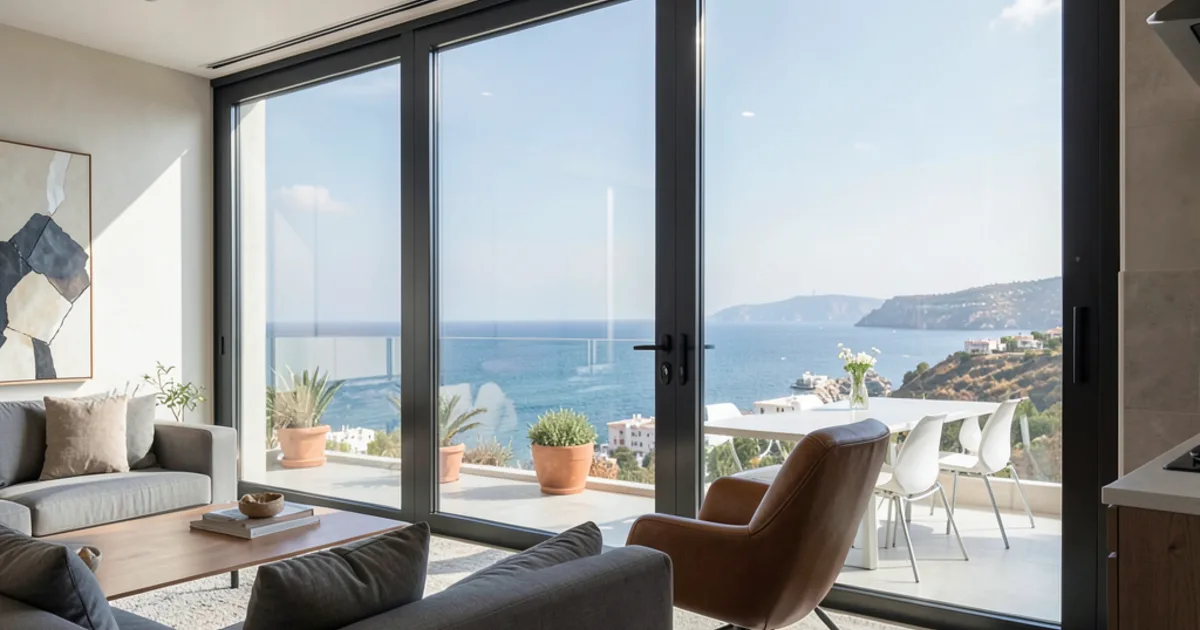
For the discerning investor eyeing Israel's vibrant luxury real estate market, the choice between Jaffa and Rothschild Boulevard in Tel Aviv presents a fascinating dilemma. These two iconic locations, while geographically proximate, offer vastly different investment profiles, each with its unique allure and set of considerations. This comprehensive guide from LuxuryHomesIsrael aims to dissect the nuances of investing in luxury apartments within these coveted areas, providing an expert perspective to inform your strategic decisions and maximize your portfolio's potential.
- The Enduring Allure of Jaffa: A Tapestry of History and Regeneration
- Rothschild Boulevard, Tel Aviv: The Epitome of Urban Sophistication and Modern Luxury
- Market Dynamics and Appreciation Potential: A Tale of Two Growth Trajectories
- Rental Yields and Occupancy Rates: Sustaining Your Investment
- Regulatory Landscape and Investment Considerations in Israel
- Lifestyle and Amenities: Beyond the Numbers
- New Luxury Builds vs. Historic Renovations: Investment Profiles
- The Impact of Infrastructure Development and Urban Planning
- Navigating the Purchase Process: Practical Steps for Investors
- The Long-Term Outlook: Sustainable Value and Future Growth
The Enduring Allure of Jaffa: A Tapestry of History and Regeneration
Jaffa, one of the world's oldest port cities, has undergone a remarkable transformation in recent decades, evolving from a bohemian enclave into a highly sought-after luxury destination. Its rich history, evident in the ancient stone buildings, winding alleyways, and breathtaking sea views, imbues properties here with an unparalleled sense of character and scarcity. Investors are drawn to Jaffa not just for its aesthetic appeal but for the promise of owning a piece of living history, often within meticulously restored heritage structures or exclusive new builds designed to complement the area's unique ambiance.
The regeneration efforts in Jaffa have been extensive, focusing on preserving its historical integrity while simultaneously introducing modern amenities and infrastructure. This delicate balance has elevated the area's desirability, attracting a sophisticated demographic seeking a unique lifestyle that blends old-world charm with contemporary luxury. The limited availability of prime properties, particularly those offering direct sea access or panoramic views of the Tel Aviv skyline, contributes significantly to their premium valuation and robust appreciation potential.
Luxury properties in Jaffa often manifest as renovated Ottoman-era homes, expansive penthouses atop modern boutique buildings, or even exclusive seafront estates. These residences frequently feature high ceilings, intricate architectural details, and private terraces, offering an unparalleled living experience. The scarcity of new development land, coupled with stringent preservation regulations, ensures that existing luxury inventory maintains its exclusive status and strong market position, appealing to both local and international buyers.
Furthermore, Jaffa's cultural scene, with its thriving art galleries, exquisite culinary establishments, and vibrant flea market, adds another layer of appeal. This dynamic environment not only enhances the quality of life for residents but also drives consistent demand for high-end rentals, offering attractive yield opportunities for investors. The continued investment in public spaces and infrastructure further cements Jaffa's position as a premier luxury real estate market.
Rothschild Boulevard, Tel Aviv: The Epitome of Urban Sophistication and Modern Luxury
In stark contrast to Jaffa's ancient charm, Rothschild Boulevard represents the beating heart of modern Tel Aviv, a vibrant, tree-lined avenue synonymous with urban sophistication and contemporary luxury. This iconic boulevard is not merely a street but a lifestyle, offering unparalleled access to the city's financial district, cultural institutions, and world-class dining and entertainment. Properties along Rothschild are typically newer, featuring sleek architectural designs, state-of-the-art amenities, and often breathtaking city views.
The appeal of Rothschild Boulevard lies in its fusion of historical Bauhaus architecture with cutting-edge modern developments. While some luxury apartments are housed within beautifully preserved and renovated Bauhaus buildings, many are found in prestigious new high-rise towers that define Tel Aviv's modern skyline. These residences often boast expansive living spaces, smart home technologies, concierge services, and private fitness facilities, catering to a clientele that values convenience, prestige, and a contemporary urban living experience.
Investing in Rothschild means tapping into Tel Aviv's dynamic economic engine. The boulevard's central location and proximity to major business hubs make it a prime choice for executives, entrepreneurs, and high-net-worth individuals seeking a cosmopolitan lifestyle. This strong demand from a wealthy demographic ensures consistent property values and robust rental yields, particularly for properties offering premium services and amenities.
The consistent urban development and ongoing infrastructure improvements in and around Rothschild Boulevard further bolster its investment appeal. The area benefits from excellent public transport links, including proximity to future light rail stations, enhancing its accessibility and desirability. This continuous evolution reinforces Rothschild's status as a premier location for luxury living and a sound long-term investment.
Market Dynamics and Appreciation Potential: A Tale of Two Growth Trajectories
When evaluating investment potential, understanding the distinct market dynamics of Jaffa and Rothschild is crucial. Jaffa's market is characterized by scarcity, historical significance, and a more organic, often slower, appreciation driven by regeneration and the unique appeal of its heritage properties. Value increases are often tied to the successful completion of restoration projects, the opening of new cultural establishments, and the overall enhancement of the area's luxury infrastructure.
Rothschild, conversely, benefits from Tel Aviv's rapid economic growth and its status as a global tech hub. Appreciation here is often faster, fueled by strong demand from both local and international buyers, particularly those seeking modern, high-tech residences in a prime urban setting. The continuous influx of high-income professionals and the prestige associated with the address contribute to a robust and often competitive market.
The types of properties available also influence appreciation. In Jaffa, a beautifully restored Ottoman-era villa or a penthouse overlooking the sea will likely see significant value growth due to its unique, irreplaceable nature. On Rothschild, a top-floor apartment in a newly completed luxury tower with panoramic city views and premium amenities will command a high price and strong appreciation. Both locations offer compelling growth, but the drivers and pace can differ.
Investors should consider their personal investment philosophy: Jaffa offers a perhaps more stable, culturally-driven appreciation with unique assets, while Rothschild provides a faster-paced, economically-driven growth linked to Tel Aviv's status as a global city. Both markets have shown resilience, but the specific catalysts for value appreciation are distinct.
Rental Yields and Occupancy Rates: Sustaining Your Investment
For investors focused on generating income, rental yields and occupancy rates are paramount. Jaffa, with its unique appeal, attracts a diverse tenant base, including long-term residents seeking a distinctive lifestyle and short-term luxury tourists. Properties with historical charm, sea views, or proximity to cultural sites often command premium rental rates, particularly for shorter-term holiday lets. The key here is to differentiate your property through its unique features and high-end finishes.
Rothschild Boulevard, by virtue of its central business and cultural location, experiences consistently high demand for luxury rentals. Its proximity to corporate offices, cultural venues, and elite dining makes it highly attractive to expatriates, corporate executives, and high-net-worth individuals seeking long-term, high-quality accommodation. Properties with concierge services, modern amenities, and excellent connectivity tend to achieve robust occupancy and strong rental yields.
Occupancy rates in both areas tend to be strong for well-maintained and appropriately priced luxury properties. However, Jaffa's seasonal tourism component can lead to higher short-term rental yields during peak seasons, while Rothschild's corporate and long-term expatriate market ensures more consistent year-round rental income. Understanding your target tenant and optimizing your property's offerings accordingly is crucial for maximizing returns.
When considering rental income, it's essential to factor in associated costs such as Arnona (municipal tax), property management fees, and maintenance. While both locations boast strong rental markets, the specific property type and its amenities will ultimately dictate the achievable yield. Consulting with local property management experts is advisable to gain realistic projections for your specific investment.
Regulatory Landscape and Investment Considerations in Israel
Navigating the Israeli real estate market requires an understanding of its specific regulatory framework. For foreign investors, key considerations include Mas Rekhisha (purchase tax) and Mas Shevah (capital gains tax). Purchase tax rates are progressive and depend on the buyer's residency status and whether the property is their first in Israel. Non-residents generally face higher initial purchase tax rates compared to Israeli citizens.
Capital gains tax, or Mas Shevah, is applied to the profit made from selling a property. While there are certain exemptions and calculations that can reduce this liability, understanding the current tax laws and potential future changes is vital for long-term investment planning. Consulting with a qualified Israeli tax attorney is indispensable to optimize your tax strategy and ensure compliance.
The land registry, known as Tabu, provides official documentation of property ownership in Israel. Ensuring that your property is properly registered in Tabu is a fundamental step in any real estate transaction, confirming legal title and safeguarding your investment. A thorough due diligence process, involving legal counsel, is critical to verify ownership and identify any encumbrances.
Furthermore, securing financing, often through a Mashkanta (mortgage), involves specific Israeli banking procedures and requirements. Foreign investors may face different criteria compared to local buyers. It's also important to be aware of the binding memorandum, a preliminary agreement that can legally commit both parties before the final contract is signed. Engaging a reputable real estate attorney from the outset is crucial for navigating these complexities smoothly and protecting your interests.
Lifestyle and Amenities: Beyond the Numbers
Beyond financial metrics, the lifestyle and amenities offered by each location play a significant role in their long-term value and desirability. Jaffa offers a unique, bohemian-chic lifestyle steeped in history and culture. Residents enjoy proximity to the bustling Jaffa Flea Market, diverse art galleries, and an array of acclaimed restaurants serving both traditional and contemporary cuisine. The Old Jaffa Port provides a picturesque setting for strolls, dining, and cultural events.
The community in Jaffa is often described as eclectic and artistic, attracting individuals who appreciate its distinct character and slower pace of life compared to central Tel Aviv. Many luxury properties offer unparalleled views of the Mediterranean Sea or the historic cityscape, providing a serene backdrop to daily life. The charm of narrow cobblestone streets and hidden courtyards creates an intimate, village-like atmosphere within a major metropolitan area.
Rothschild Boulevard, conversely, epitomizes modern urban living. It's a hub of activity, offering immediate access to Tel Aviv's vibrant culinary scene, high-end boutiques, and cultural institutions like Habima Square and the National Theatre. The boulevard itself is a linear park, perfect for walking, cycling, and enjoying the numerous cafes and kiosks that line its path. Residents benefit from the energy and convenience of being at the heart of a dynamic global city.
The amenities associated with luxury apartments on Rothschild often include state-of-the-art gyms, swimming pools, private parking, and 24/7 concierge services. The lifestyle here is fast-paced, sophisticated, and geared towards those who thrive in an urban environment. The choice between Jaffa and Rothschild ultimately comes down to a preference for historical charm and a more tranquil, artistic ambiance versus modern urban dynamism and unparalleled convenience.
New Luxury Builds vs. Historic Renovations: Investment Profiles
The type of luxury property significantly impacts its investment profile in both Jaffa and Rothschild. In Jaffa, many high-end opportunities stem from the meticulous renovation and restoration of historic buildings, such as Ottoman-era villas or Templar houses. These properties often come with unique architectural features, high ceilings, and a sense of irreplaceable heritage. The investment here is not just in real estate but in preserving a piece of history, often commanding a premium.
New luxury builds in Jaffa, though less common due to land scarcity and preservation laws, typically blend modern comforts with design elements that respect the area's historical context. These might include boutique apartment buildings or exclusive penthouses that offer contemporary living while maintaining Jaffa's unique aesthetic. The scarcity of such new developments ensures their high value and strong demand.
On Rothschild Boulevard, the market is dominated by new luxury high-rise constructions and meticulously renovated Bauhaus buildings. New builds offer cutting-edge design, smart home technology, and extensive amenities, appealing to those seeking modern convenience and prestige. These properties often represent a significant investment in contemporary urban living, benefiting from Tel Aviv's reputation as a tech and innovation hub.
Renovated Bauhaus properties on Rothschild offer a different kind of luxury, one rooted in architectural heritage and classic elegance. These buildings, often restored to their former glory, provide spacious apartments with period details, combined with modern interiors. Both new builds and renovated historic properties in both locations offer compelling investment opportunities, but they cater to different aesthetic preferences and investment goals.
The Impact of Infrastructure Development and Urban Planning
Both Jaffa and Rothschild Boulevard are subject to ongoing infrastructure development and urban planning initiatives that significantly impact their investment potential. In Jaffa, projects often focus on improving public spaces, enhancing pedestrian zones, and upgrading utility infrastructure while carefully preserving historical sites. These improvements contribute to the area's overall desirability and livability, indirectly boosting property values.
Urban planning in Jaffa is particularly sensitive to its historical context, with strict regulations governing new constructions and renovations to maintain its unique character. This controlled development ensures that Jaffa retains its charm and exclusivity, preventing over-development that could dilute its appeal. Future plans often involve enhancing tourism infrastructure and cultural offerings, further solidifying its status as a luxury destination.
Rothschild Boulevard, as part of central Tel Aviv, benefits from significant investments in metropolitan infrastructure, including public transportation projects like the light rail. Improved connectivity enhances accessibility to the entire city, making the boulevard even more attractive to commuters and residents. The city's master plans often include provisions for green spaces, public art, and smart city initiatives, all of which elevate the quality of life and property values.
The continuous modernization and expansion of Tel Aviv's urban core, particularly around Rothschild, signal ongoing growth and demand. Investors should pay close attention to city planning documents and announcements, as these can provide valuable insights into future development trends and their potential impact on property values in both Jaffa and Rothschild. These strategic urban interventions are key drivers of long-term value.
Navigating the Purchase Process: Practical Steps for Investors
The process of acquiring luxury real estate in Israel involves several distinct stages. Initially, it is crucial to engage a reputable real estate agent who specializes in luxury properties in your chosen area. They can provide invaluable market insights, access to exclusive listings, and guidance through the initial selection process. Once a property is identified, a binding memorandum (Zichron Devarim) may be signed, outlining the basic terms of the agreement before the full contract.
Following the memorandum, thorough due diligence is conducted by your Israeli real estate attorney. This includes verifying the property's legal status, checking the Tabu (land registry) for ownership and any liens, and reviewing building permits and zoning regulations. This step is critical to ensure the property is free of legal encumbrances and complies with all relevant laws. Your attorney will also advise on Mas Rekhisha (purchase tax) and guide you through the payment process.
For financing, foreign investors can explore Mashkanta (mortgage) options with Israeli banks, though requirements may differ. It's advisable to secure pre-approval for financing to strengthen your offer. The final stage involves signing the comprehensive purchase agreement, which is prepared by your attorney and specifies all terms, conditions, and payment schedules. This document is then registered with the Tabu to formally transfer ownership.
After the purchase, ongoing responsibilities include paying Arnona (municipal property tax) and potentially engaging a property management company if the property is for rental. For non-Hebrew speakers, utilizing an Ulpan (Hebrew language school) or working with English-speaking professionals is highly recommended to ensure clear communication throughout the process. A well-orchestrated team of legal, financial, and real estate professionals is essential for a smooth and successful acquisition.
The Long-Term Outlook: Sustainable Value and Future Growth
Looking ahead, both Jaffa and Rothschild Boulevard are poised for continued sustainable value growth within Israel's luxury real estate market. Jaffa's unique blend of history, culture, and coastal charm ensures its enduring appeal to a niche yet affluent demographic. The limited supply of truly luxurious and historically significant properties will continue to drive demand and appreciation, making it a robust long-term hold.
Rothschild Boulevard, as the heart of Tel Aviv's economic and cultural dynamism, will benefit from the city's ongoing status as a global innovation hub. The continuous influx of high-net-worth individuals, coupled with a desire for sophisticated urban living, will maintain strong demand for its modern, amenity-rich luxury apartments. Its central location and excellent connectivity are perennial advantages.
While specific market fluctuations can occur, the underlying fundamentals of scarcity, desirability, and strong economic drivers support a positive long-term outlook for both locations. Investors should consider the unique value proposition of each: Jaffa offers a perhaps more stable, culturally-driven appreciation, while Rothschild provides a faster-paced, economically-driven growth linked to Tel Aviv's global standing.
Ultimately, the decision between Jaffa and Rothschild for luxury real estate investment hinges on an investor's individual preferences for lifestyle, risk tolerance, and specific financial goals. Both locations represent premier opportunities within Israel's luxury market, promising not just financial returns but also the prestige of owning a piece of a truly unique and vibrant country.
FAQ
What are the main tax implications for foreign investors in Israeli luxury real estate?
Foreign investors in Israel face Mas Rekhisha (purchase tax), typically at higher progressive rates than residents. Upon selling, Mas Shevah (capital gains tax) applies to any profit. It's crucial to consult with an Israeli tax attorney to understand specific liabilities and potential exemptions.
How does the Tabu land registry protect my investment in Jaffa or Rothschild?
The Tabu (Israel Land Registry) legally records property ownership and any associated rights or encumbrances. Proper registration in the Tabu ensures your legal title to the property is recognized and protected under Israeli law, safeguarding your investment.
Is it possible to secure a mortgage (Mashkanta) in Israel as a non-resident for a luxury apartment?
Yes, non-residents can typically secure a Mashkanta (mortgage) from Israeli banks, though the terms and eligibility criteria may differ from those offered to Israeli citizens. It's advisable to consult with multiple banks and a mortgage broker experienced with foreign investors.
What are the typical ongoing costs associated with owning a luxury apartment in Tel Aviv or Jaffa?
Ongoing costs include Arnona (municipal property tax), Va'ad Bayit (building maintenance fees), utilities, and potentially property management fees if rented out. These costs vary significantly based on the property size, amenities, and location.
Get your personalised shortlist
Listings and up-to-date info, straight to your inbox, free, no obligation.
See luxury homes →