How much is purchase tax (Mas Rekhisha) for a second home in Israel?
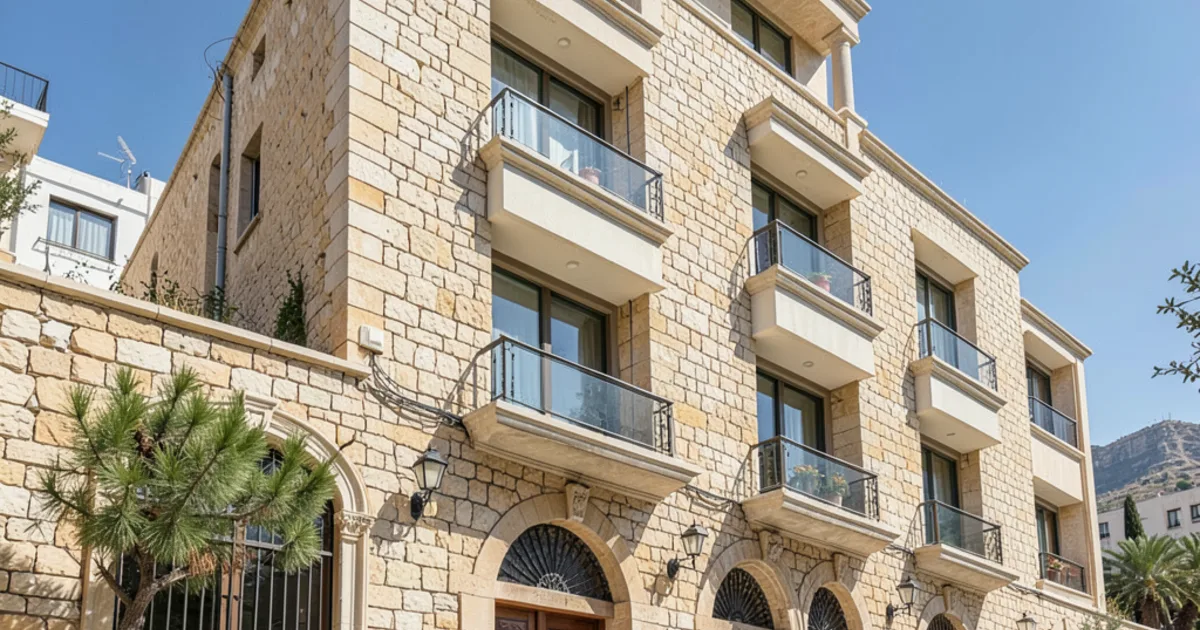
Acquiring luxury real estate in Israel, whether a beachfront villa or a sprawling penthouse, requires more than just identifying the perfect location. For investors and high-net-worth individuals who already own property, the fiscal landscape changes significantly. The purchase tax, known locally as Mas Rekhisha, becomes a critical component of the total acquisition cost. This guide explores the nuanced tax implications for second home buyers to ensure informed decision-making.
Quick answer: The Mas Rekhisha tax on a second home in Israel is calculated as a percentage of the property's purchase price. The exact rate depends on the final value of the home, with higher tiers applying to more expensive properties.
- The Fundamentals of Mas Rekhisha for Luxury Buyers
- Primary Residence vs. Second Home: The Crucial Distinction
- How Progressive Tax Brackets Impact High-Value Acquisitions
- The Implications of Owning Multiple Real Estate Assets
- Luxury Property Types and Their Tax Profiles
- Navigating the Legal Framework: Tabu and the Binding Memorandum
- Financing the Acquisition: Mashkanta and Tax Considerations
- Post-Purchase Obligations: Arnona and Mas Shevah
- Common Errors in Second Home Tax Management
- Strategic Asset Structuring for High-Net-Worth Individuals
- The Necessity of Expert Legal and Tax Counsel
The Fundamentals of Mas Rekhisha for Luxury Buyers
Mas Rekhisha is a statutory purchase tax levied by the Israeli tax authorities on the acquisition of real estate assets. Unlike some jurisdictions where tax is negotiated as part of the closing costs, Mas Rekhisha is a mandatory obligation determined by the transaction value and the buyer's current property status. For those entering the luxury market, understanding this tax is paramount because the high valuation of premium assets places the buyer into much higher tax tiers.
The tax is calculated based on the purchase price of the property and is applied progressively. This means as the price of the asset increases, the rate applied to each subsequent portion of the value also increases. In the context of high-end real estate, such as sea-facing estates or luxury penthouses, the cumulative effect of these progressive brackets can result in a substantial financial outlay. It is a non-negotiable expense that must be factored into the initial budget of any serious investor.
For luxury buyers, the complexity often arises from the intersection of personal residency and investment goals. Whether you are purchasing a vacation home or adding to a diverse real estate portfolio, the tax authority views the transaction through a specific lens of ownership. Failing to account for these nuances can lead to unexpected liquidity requirements during the closing process. Professional guidance is often sought to ensure that the total cost of acquisition is accurately projected before the binding memorandum is signed.
- Mas Rekhisha is a buyer-side tax.
- Rates are progressive based on property value.
- The tax status is determined by existing property ownership.
Primary Residence vs. Second Home: The Crucial Distinction
In the Israeli tax system, a fundamental distinction is made between a 'Habayit HaYachid' (primary residence) and any subsequent property acquisition. The primary residence, which serves as the individual's main place of residence, enjoys a significant tax exemption or a much lower rate on the initial portion of the property's value. This incentive is designed to facilitate homeownership for the general population. However, once an individual is deemed to own another residential property, they lose access to these preferential rates for future purchases.
A second home, or any property purchased while already owning real estate, is subject to a different set of tax rules. For these buyers, the tax calculation begins without the benefit of the lower-tier exemptions typically reserved for first-time buyers. This shift in classification means that the very first shekel of the purchase price is taxed at a higher starting rate than it would be for a primary residence buyer. For luxury assets where the base price is already high, this distinction represents a significant increase in the total tax burden.
It is important to note that 'ownership' is defined broadly by the tax authorities. Even if the existing property is a small apartment or a fractional interest in a larger estate, it can disqualify a buyer from the primary residence tax benefits. This classification is determined at the moment of the new transaction and is verified through official channels. Consequently, buyers must perform a thorough audit of their current holdings to determine their exact tax status before proceeding with a luxury acquisition.
How Progressive Tax Brackets Impact High-Value Acquisitions
The structure of Mas Rekhisha is built upon a series of progressive brackets, much like an income tax system. For a second home buyer, these brackets are structured to ensure that as the value of the asset climbs, the percentage of tax paid also climbs. In the luxury segment, where properties often exceed the upper limits of the standard brackets, a significant portion of the purchase price will be taxed at the highest available rates. This can lead to a total tax amount that is a substantial percentage of the overall investment.
The absence of the low-rate 'buffer' for second homes means that the tax curve starts much steeper. While a first-time buyer might pay a very low rate on the first portion of their home's value, the second-home buyer enters the system at a much higher baseline. This creates a compounding effect: the high base price of a luxury villa is multiplied by a rate that is already higher than the standard residential rate. This mathematical reality is often a shock to international buyers who are accustomed to different tax structures.
Understanding these brackets is not merely an academic exercise; it is a vital part of financial modeling for real estate investments. When evaluating a potential penthouse or a new luxury build, the buyer must calculate the tax based on the total value, not just a flat percentage. Because the brackets are defined by specific value thresholds, a small increase in the negotiated purchase price could potentially push a large portion of the transaction into a higher tax tier. This requires precise calculation during the due diligence phase.
- Tax rates increase as property value increases.
- Second homes lack the low-rate exemption on the first bracket.
- High-value luxury assets often hit the highest tax tiers.
The Implications of Owning Multiple Real Estate Assets
For the sophisticated investor, real estate is often a cornerstone of a diversified portfolio. However, owning multiple properties in Israel creates a specific tax profile that must be managed carefully. Every time a new property is added to the portfolio, the tax authority assesses whether the buyer is acquiring a primary residence or an additional asset. If the buyer already holds any residential property, the new acquisition is automatically treated as a second home, regardless of the intended use of the new property.
This rule applies even if the buyer intends to sell their current property to move into the new one. There are specific legal mechanisms and timing requirements to ensure that a transaction is treated as a primary residence purchase, but these require meticulous planning and legal oversight. Without such planning, an investor might find themselves paying the higher second-home tax rate on a property they intended to use as their main residence, simply because they failed to time the sale of their previous asset correctly.
Furthermore, the ownership of properties outside of Israel can sometimes influence tax considerations, though the primary focus of Mas Rekhisha is on the domestic transaction. The key is the 'residential status' of the buyer in relation to their property holdings within the Israeli borders. For those managing a portfolio of villas, beachfront estates, and urban luxury apartments, the cumulative tax implications can be vast. Managing these assets requires a holistic view of one's entire real estate footprint to avoid unnecessary tax leakage.
Luxury Property Types and Their Tax Profiles
Different types of luxury real estate carry different tax implications due to their valuation and structural nature. A high-end penthouse in a metropolitan center like Tel Aviv or Herzliya will almost certainly fall into the highest tax brackets. Because these urban assets are often valued at premium levels, the Mas Rekhisha obligation can be one of the largest single costs in the acquisition. Buyers must be prepared for the reality that the tax amount may represent a significant portion of their liquid capital.
Seafront estates and large villas in exclusive gated communities present a similar profile. These properties are often valued in the upper echelons of the Israeli real estate market, meaning the progressive tax rates will apply at their maximum levels. When purchasing such an estate, the tax is not just a line item; it is a major factor in the overall ROI (Return on Investment) calculation. For investors looking at these properties as income-generating assets, the initial tax hit must be amortized over the long term.
New luxury builds also present unique considerations. In many cases, purchasing a property 'off-plan' or during the construction phase involves different payment schedules. However, the Mas Rekhisha is generally calculated based on the final purchase price agreed upon in the binding memorandum. This means that even if the buyer is paying in installments, the tax liability is determined by the total value of the asset. It is essential to understand how the timing of these payments interacts with the tax authority's requirements for settlement.
- Urban penthouses often hit the highest tax tiers.
- Seafront villas face high progressive tax rates.
- New luxury builds require tax calculation based on total contract value.
Navigating the Legal Framework: Tabu and the Binding Memorandum
The legal process of acquiring property in Israel is centered around several key components, most notably the Tabu (the Land Registry) and the binding memorandum (the contract). The Tabu is the official record of ownership, and any transaction must be properly registered there to be legally recognized. Before any tax is paid or any funds are transferred, a thorough search of the Tabu is mandatory to ensure the seller has the legal right to transfer the title and that there are no undisclosed liens or encumbrances.
The binding memorandum is the contract that dictates the terms of the sale, including the price, the closing date, and the responsibilities of both parties. It is within this document that the specifics of the purchase tax should be addressed. While the tax is a statutory obligation of the buyer, the memorandum often outlines the timeline for payment and the administrative steps required to satisfy the tax authorities. A well-drafted memorandum is the primary defense against future legal disputes regarding the transaction.
The interaction between the tax authority and the Land Registry is seamless in the modern era. Once the Mas Rekhisha is paid and the documentation is processed, the registry updates to reflect the new owner. For luxury buyers, this process must be handled with extreme precision. Any error in the documentation or the valuation reported to the tax authorities can lead to significant delays in the registration of the property, which can be particularly problematic for high-value assets where title security is paramount.
Financing the Acquisition: Mashkanta and Tax Considerations
For many buyers, even those in the luxury segment, financing through a Mashkanta (mortgage) is a common strategy. However, obtaining a mortgage for a second home in Israel can differ from securing one for a primary residence. Banks and financial institutions often apply different Loan-to-Value (LTV) ratios and interest rate structures for investment properties or second homes. This is because the perceived risk profile of a secondary asset is higher than that of a primary residence.
The existence of a significant Mas Rekhisha obligation also impacts the total financing required. Because the tax is an upfront cost that is not typically covered by the mortgage itself, the buyer must have sufficient liquid funds to cover both the down payment and the tax. If a buyer underestimates the tax on a high-value villa, they may find themselves short of the necessary capital at the time of closing, which can jeopardize the entire transaction. It is vital to integrate the tax calculation into your mortgage planning.
Furthermore, the total cost of ownership includes not just the purchase price and the tax, but also the ongoing costs of financing. When calculating the long-term viability of a luxury real estate acquisition, one must consider the interest on the Mashkanta alongside the initial tax hit. For a second home that may be used as a vacation property or a rental, these combined costs must be weighed against the potential for property appreciation and rental income.
Post-Purchase Obligations: Arnona and Mas Shevah
Once the purchase tax has been settled and the property is acquired, the buyer enters the phase of ongoing ownership costs. One of the most significant is Arnona, the municipal property tax. Arnona rates can vary significantly depending on the municipality and the type of property. For luxury estates and large villas, the Arnona can be substantial, as it is often calculated based on the size and the perceived value of the property. This is a recurring annual expense that must be budgeted for.
Another critical tax to understand is Mas Shevah, which is the capital gains tax. While Mas Rekhisha is paid at the time of purchase, Mas Shevah is paid when the property is eventually sold. For a second home, the tax implications for Mas Shevah are quite different from those for a primary residence. While there are certain exemptions for a primary home, a second home is generally subject to capital gains tax on the appreciation of the property's value. This makes the 'exit strategy' just as important as the initial purchase.
Effective real estate management requires a clear understanding of this tax lifecycle. The initial Mas Rekhisha, the ongoing Arnona, and the eventual Mas Shevah form a continuous financial loop. For high-net-worth individuals, managing this cycle efficiently, perhaps through strategic timing of sales or specific ownership structures, is key to preserving wealth and maximizing the benefits of Israeli real estate investments.
- Arnona is a recurring municipal tax based on property size/value.
- Mas Shevah is the capital gains tax paid upon sale.
- Second homes face different Mas Shevah rules than primary residences.
Common Errors in Second Home Tax Management
One of the most frequent errors made by buyers is the miscalculation of their tax status. Many assume that because they are moving to a new property, they will be treated as a first-time buyer. However, if they still hold a legal interest in another residential property, the tax authority will classify the new purchase as a second home. This mistake can lead to a massive, unplanned tax bill that can derail a luxury acquisition at the last minute.
Another common pitfall is failing to account for the progressive nature of the tax brackets. Buyers often estimate the tax based on a flat percentage, which significantly underestimates the actual cost for high-value assets. In the luxury market, where prices are high, the higher-tier percentages apply to a large portion of the transaction. This lack of precision in financial planning can lead to significant liquidity issues during the closing period.
Finally, many buyers overlook the importance of timing. There are specific windows and legal procedures required to transition from owning a second home to owning a primary residence. If a buyer fails to execute the sale of their previous property within the required timeframe or fails to follow the correct administrative steps, they may lose the ability to claim the lower tax rates. Meticulous attention to detail and professional legal oversight are the only ways to mitigate these risks.
Strategic Asset Structuring for High-Net-Worth Individuals
For individuals with significant real estate portfolios, the way properties are held can have profound tax implications. Rather than owning assets in their own name, some investors choose to hold luxury real estate through legal entities, such as companies or family trusts. This can sometimes provide a different tax profile, although it also introduces its other complexities, such as different rules for Mas Shevah and potential corporate tax obligations.
Structuring ownership through a trust or a company can also facilitate estate planning and the seamless transfer of assets to future generations. However, it is crucial to understand that the Israeli tax authorities are highly sophisticated and have specific rules regarding 'controlled entities.' A structure that seems beneficial on the surface might actually trigger higher tax liabilities if not implemented with expert precision. The goal is to achieve tax efficiency without running afoul of anti-avoidance regulations.
Strategic planning should begin long before the purchase of a new villa or penthouse. It involves looking at the entire portfolio and deciding how each new acquisition fits into the broader financial picture. Whether the goal is to maximize rental yield, minimize capital gains, or simplify inheritance, the decision of how to hold the property is just as important as the decision of which property to buy. Professional tax and legal counsel are indispensable in this process.
The Necessity of Expert Legal and Tax Counsel
Navigating the complexities of Mas Rekhisha, especially in the context of second homes and luxury real estate, is not a task for an amateur. The stakes are too high, and the margin for error is too small. A specialized real estate lawyer is essential for conducting due diligence, verifying the Tabu, and ensuring that the binding memorandum protects the buyer's interests. They act as the primary safeguard against legal and financial surprises.
In addition to legal counsel, tax experts are vital for providing accurate projections and strategic advice. A tax professional can model the exact impact of the progressive brackets on a specific property and advise on the most efficient way to structure the acquisition. They can also help navigate the nuances of residency status and the implications of owning property both within and outside of Israel, ensuring that the buyer is optimized for the current tax regime.
Ultimately, the combination of high-end real estate and complex tax law requires a multidisciplinary approach. For the luxury buyer, investing in professional expertise is not an optional expense; it is a fundamental part of a successful and secure acquisition. By engaging the right experts, you can approach the Israeli real estate market with confidence, knowing that your financial interests are being protected at every stage of the transaction.
FAQ
What is the main difference between Mas Rekhisha and Mas Shevah?
Mas Rekhisha is the purchase tax paid by the buyer at the time of acquisition. In contrast, Mas Shevah is the capital gains tax paid by the seller when the property is eventually sold, based on the profit made.
Can I avoid the higher second home tax if I sell my current home?
Yes, but it requires precise timing and legal structuring. You must ensure that the sale of your primary residence is completed or legally finalized in a way that allows the new purchase to be classified as your 'Habayit HaYachid'.
Does owning a house in another country affect my Mas Rekhisha in Israel?
Generally, Mas Rekhisha is concerned with your residential property holdings within Israel. However, your overall residency status and how you are classified by the Israeli tax authorities can be influenced by your global assets and tax domicile.
Is the purchase tax negotiable with the seller?
No, Mas Rekhisha is a statutory tax mandated by the Israeli government. While you can negotiate the purchase price of the property itself, the tax amount is determined by law based on that price and your ownership status.
How does the Tabu affect the tax payment process?
The Tabu is the official registry where the transaction must be recorded. The tax payment is a prerequisite for the successful registration of the property in your name, ensuring that the title is clear and legally yours.
Get your personalised shortlist
Listings and up-to-date info, straight to your inbox, free, no obligation.
See luxury homes →