Is it better to rent or buy a luxury home in Israel as an Olim?
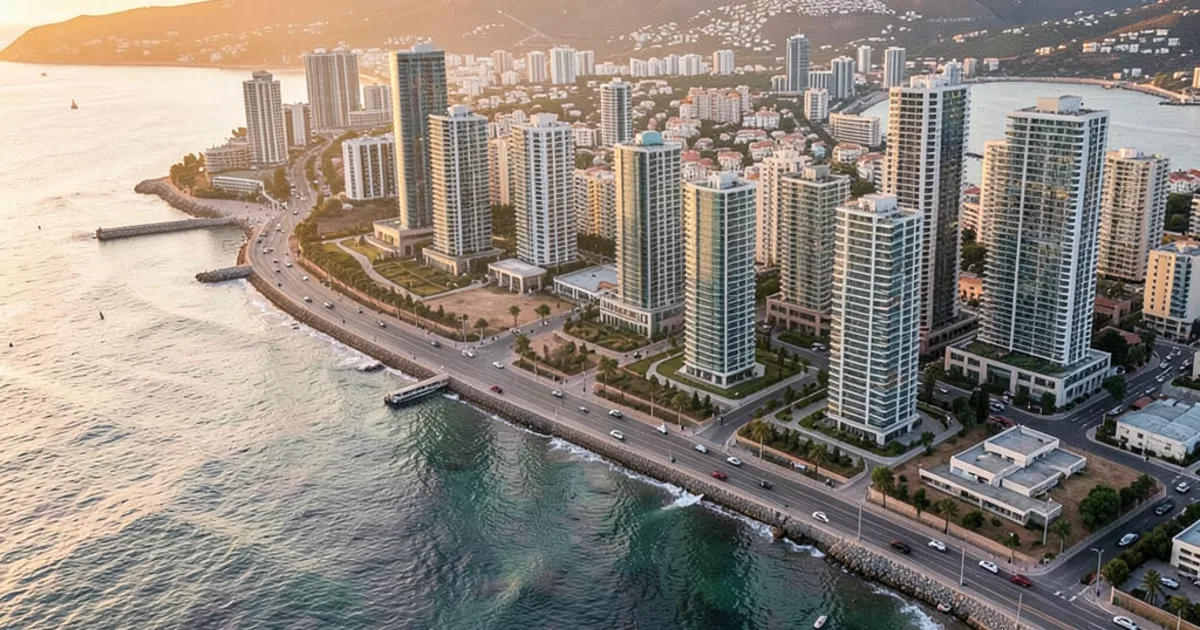
Relocating to Israel is a monumental life event, and for those seeking the high-end lifestyle of a luxury residence, the stakes are even higher. The choice between renting a premium property and investing in homeownership is not merely a matter of monthly cash flow; it is a strategic decision that impacts your long-term integration, tax liabilities, and overall wealth. This guide is designed to provide Olim with a sophisticated framework to evaluate both paths through the lens of the unique Israeli real estate market.
- The Emotional and Financial Tug-of-War for New Olim
- The Strategic Advantages of Renting Luxury Properties Initially
- Navigating the Hidden Costs of Luxury Renting in Israel
- The Financial Argument for Purchasing Luxury Real Estate
- Understanding Mas Rekhisha and Olim-Specific Tax Benefits
- Securing a Mashkanta: The Israeli Mortgage Landscape
- Legal Due Diligence: From Tabu to the Binding Memorandum
- Choosing Your Sanctuary: Penthouse, Villa, or Seafront Estate?
- The 18-Month Rule: A Recommended Transition Timeline
- Managing the Long-Term Responsibilities of Ownership
- Assessing Market Volatility and Asset Liquidity
- Final Decision Framework: A Checklist for Olim
The Emotional and Financial Tug-of-War for New Olim
For many new immigrants, the desire to establish roots in Israel is often accompanied by an immediate urge to purchase a permanent home. This impulse stems from a deep-seated need for stability and a sense of belonging in a new country. However, the luxury real estate market in Israel operates with its own set of complexities that can turn an emotional decision into a financial burden if not approached with caution.
The tension between the 'dream of ownership' and the 'reality of transition' is palpable. While owning a seafront estate or a sprawling villa offers an immediate sense of permanence, the initial years of Aliyah are often characterized by significant lifestyle adjustments. During this period, your professional life, social circles, and even your understanding of local geography may shift rapidly, making a long-term real estate commitment a high-risk endeavor.
A balanced approach requires separating the emotional longing for a 'forever home' from the practical necessity of financial liquidity. Investors and high-net-worth Olim must weigh the potential for capital appreciation against the flexibility required to navigate the first few years of Israeli life. Understanding this distinction is the first step in making an informed decision that serves both your lifestyle and your long-term financial health.
- Emotional stability vs. financial flexibility
- The impact of lifestyle changes on location preference
- Balancing immediate comfort with long-term wealth preservation
The Strategic Advantages of Renting Luxury Properties Initially
Renting a luxury home during your first few years in Israel serves as a sophisticated 'test drive' for your new life. High-end rental markets in areas like Tel Aviv, Herzliya, or certain coastal regions allow you to experience the nuances of different neighborhoods without the heavy commitment of a mortgage. This period is invaluable for determining whether the atmosphere of a specific community aligns with your family's needs and social aspirations.
Furthermore, renting provides a level of mobility that is essential for new Olim. During the first eighteen months, you may find that your professional requirements change, or that you need to be closer to specific educational institutions or community centers. A rental agreement, while requiring significant monthly outlays, prevents you from being 'locked in' to a property that may no longer suit your evolving circumstances.
From a capital management perspective, renting allows you to keep your liquid assets available for other critical Aliyah expenses. The costs associated with setting up a new life, including professional integration, private education, and establishing a local business, can be substantial. By choosing to rent, you preserve the capital that would otherwise be tied up in a down payment, allowing for a more cushioned transition into the Israeli economy.
- Testing different luxury neighborhoods and micro-climates
- Maintaining mobility as professional and social lives evolve
- Preserving liquid capital for other essential Aliyah costs
Navigating the Hidden Costs of Luxury Renting in Israel
While renting offers flexibility, it is important to recognize that luxury rentals in Israel come with a unique set of recurring expenses. Beyond the base monthly rent, tenants must account for high municipal taxes, known as Arnona. In premium areas or for large luxury estates, the Arnona can be quite significant, as it is calculated based on the size and value of the property and can impact your monthly budget more than anticipated.
Maintenance and communal fees, or Va'ad Bayit, also play a critical role in the cost of luxury living. If you are renting a penthouse in a high-end tower or a villa within a gated community, these fees often cover security, landscaping, pool maintenance, and elevator upkeep. In many luxury developments, these costs are substantial and are typically the responsibility of the tenant, adding another layer of monthly expenditure.
Additionally, luxury renters should be aware of the potential for rapid shifts in the rental market. In high-demand areas, rental prices can fluctuate based on seasonal trends or local developments. Without the protection of ownership, you are also subject to the terms of the lease agreement and the landlord's decision to renew or increase the rent, which can introduce a level of uncertainty into your long-term planning.
- High Arnona (municipal tax) for large or premium properties
- Substantial Va'ad Bayit (communal maintenance) fees
- Market volatility and the risk of rent increases
The Financial Argument for Purchasing Luxury Real Estate
For those with a long-term vision, purchasing luxury real estate in Israel can be a powerful vehicle for wealth accumulation. Historically, premium real estate in sought-after Israeli locations has shown a tendency toward steady appreciation. By buying a high-end property, you are not just securing a home; you are acquiring a tangible asset that can serve as a hedge against inflation and a component of a diversified global portfolio.
Ownership also allows you to build equity through the repayment of a Mashkanta (mortgage). Over time, as the property value increases and the mortgage balance decreases, your net worth grows significantly. This equity can eventually be leveraged for further investments or used to facilitate a move to an even more prestigious property as your status in Israel evolves.
Moreover, owning your home provides a level of psychological and financial certainty that renting cannot match. You gain full control over the property, allowing for renovations, aesthetic customizations, and landscaping that reflect your personal taste. This control is particularly important for luxury buyers who view their residence as an extension of their personal brand and a sanctuary for their families.
- Long-term capital appreciation in premium locations
- Equity building through mortgage principal repayment
- Full control over property customization and renovations
Understanding Mas Rekhisha and Olim-Specific Tax Benefits
One of the most critical factors for new immigrants is understanding the Mas Rekhisha, or purchase tax. In Israel, this tax is structured in tiers, and the amount you pay is heavily dependent on the total purchase price and your status as a buyer. For those purchasing a primary residence, there are specific tax brackets that can offer significant relief compared to the rates applied to secondary or investment properties.
As an Oleh, you may be eligible for specific tax advantages that are not available to the general population. These benefits are designed to assist new immigrants in integrating into the country and can result in a reduced Mas Rekhisha rate on your first home. It is essential to consult with a professional to ensure you are correctly categorized and that you are taking full advantage of any exemptions or reduced rates provided by the state.
However, it is also vital to prepare for the long-term tax implications of ownership, such as Mas Shevah (capital gains tax). When you eventually decide to sell your luxury property, the profit realized will be subject to taxation. Understanding how these taxes interact, the initial cost of purchase versus the eventual gain upon sale, is fundamental to calculating the true 'break-even' point of your investment.
- Tiered Mas Rekhisha structure based on property value
- Potential tax exemptions or reductions for first-time Olim
- Planning for Mas Shevah (capital gains) upon eventual sale
Securing a Mashkanta: The Israeli Mortgage Landscape
Financing a luxury home in Israel typically involves securing a Mashkanta, a mortgage from a local bank. The process for Olim can be slightly more complex than for long-term residents, as banks often require more extensive documentation regarding your income, assets, and residency status. It is common for banks to look for a substantial down payment, especially when dealing with high-value properties in the luxury segment.
Interest rates and the structure of the mortgage are key variables that will dictate your long-term costs. In Israel, mortgages can be composed of different tracks, such as fixed-rate, variable-rate, or linked to the Consumer Price Index (CPI). For luxury buyers, the decision on whether to link a mortgage to inflation is particularly consequential, as it can protect the bank's real value but increase your monthly debt obligations during periods of high inflation.
Working with a specialized mortgage broker or a financial advisor who understands the needs of the Olim community can be highly beneficial. They can help you navigate the various banking options, compare different interest rate structures, and ensure that your Mashkanta is tailored to your specific financial profile and long-term goals in Israel.
- Complex documentation requirements for new immigrants
- The importance of down payment size in luxury financing
- Choosing between fixed, variable, or CPI-linked mortgage tracks
Legal Due Diligence: From Tabu to the Binding Memorandum
Purchasing luxury real estate requires a rigorous legal process to ensure that your investment is secure. The first step is verifying the property's status in the Tabu, the official land registry. A thorough search in the Tabu is essential to confirm that the seller truly owns the property, that there are no undisclosed liens, and that there are no legal encumbrances that could jeopardize your ownership.
The transition from a verbal agreement to a legal commitment occurs with the signing of the binding memorandum, known in Hebrew as the 'Hozai'. This document is the foundation of your purchase and outlines all terms, including the price, payment schedule, and any conditions precedent. Because this document is legally binding, it is imperative to have a highly qualified real estate attorney review it before you sign.
A specialized lawyer will also conduct due diligence regarding the property's physical and administrative state. This includes checking building permits, ensuring that any recent renovations were legally authorized by the municipality, and verifying that all previous taxes and utility bills have been settled. In the luxury market, where properties often involve complex structures like multiple floors or extensive outdoor areas, this step is non-negotiable.
- Verifying ownership and liens via the Tabu registry
- The critical importance of the binding memorandum (Hozai)
- Due diligence on building permits and municipal compliance
Choosing Your Sanctuary: Penthouse, Villa, or Seafront Estate?
The 'luxury' label encompasses a wide variety of property types in Israel, each offering a distinct lifestyle. A modern penthouse in a high-rise development in Tel Aviv offers a sense of urban sophistication, complete with concierge services, high-tech security, and breathtaking city views. These properties are often favored by those who desire a 'lock-and-leave' lifestyle with minimal external maintenance responsibilities.
Conversely, a standalone villa or a seafront estate in areas like Herzliya Pituach or Netanya offers unparalleled privacy and space. These properties are ideal for families who prioritize large gardens, private pools, and the ability to host significant social gatherings. However, the ownership of such an estate comes with much higher responsibilities, including the management of extensive grounds and more complex maintenance requirements.
When deciding between these types, you must consider not just the initial purchase price, but the long-term lifestyle implications. A penthouse may offer more convenience and lower maintenance, while a villa offers more autonomy and privacy. Understanding your daily routine and your long-term family needs will be the deciding factor in which luxury asset best serves your vision of life in Israel.
- Penthouse: Urban sophistication and low maintenance
- Villa: Privacy, space, and high autonomy
- Seafront Estates: Premium locations with high prestige
The 18-Month Rule: A Recommended Transition Timeline
Many seasoned real estate experts and successful Olim suggest a 'wait and see' approach, often referred to as the 18-month rule. This strategy involves renting a high-quality property for the first year to a year and a half. This period allows you to complete your initial Ulpan studies, settle your professional affairs, and gain a true sense of the Israeli rhythm of life without the pressure of a mortgage.
During this transitional period, you can observe the various real estate markets in person. You might find that while you initially thought you wanted the bustle of a major city, you actually prefer the tranquility of a coastal suburb. This firsthand experience is far more valuable than any market report or agent's description, and it can prevent a very costly mistake in property selection.
By the time you are ready to purchase, you will have a much clearer understanding of your financial standing in Israel and a more refined list of what you truly value in a home. This approach transforms the home-buying process from a rushed, high-stress event into a calm, calculated, and much more successful investment in your future.
- Using the first 12-18 months to settle into Israeli life
- Observing different micro-markets without long-term commitment
- Transitioning from renting to buying with greater confidence
Managing the Long-Term Responsibilities of Ownership
Owning a luxury home is a significant commitment that extends far beyond the initial purchase. As an owner, you are responsible for all aspects of property upkeep, from routine maintenance to major structural repairs. In a luxury villa, this might include pool servicing, garden landscaping, and roof maintenance, all of which require reliable and high-quality service providers.
You must also factor in the ongoing administrative and tax obligations. This includes the annual Arnona payments to the municipality and ensuring that all property-related insurance is up to date. For those owning multiple properties or high-value estates, it may even become necessary to hire a professional property management company to oversee the daily operations of the residence.
Planning for these costs is essential for maintaining the value of your asset. Neglecting the upkeep of a luxury property can lead to rapid depreciation and can make the property much harder to sell in the future. A proactive approach to maintenance and a clear understanding of your ongoing financial obligations are the hallmarks of a successful luxury homeowner in Israel.
- Ongoing maintenance of gardens, pools, and structures
- Regular municipal tax (Arnona) and insurance obligations
- The potential need for professional property management
Assessing Market Volatility and Asset Liquidity
It is important to approach luxury real estate with an awareness of market liquidity. While high-end properties in prime locations are generally stable, they are not as liquid as other asset classes. In a market downturn, it can take significantly longer to sell a multi-million shekel villa than it would a standard apartment. This means your capital could be tied up for an extended period if you need to liquidate quickly.
Furthermore, the luxury market can be more sensitive to broader economic shifts and changes in interest rates. When the cost of Mashkanta increases, the pool of potential buyers for high-end homes may shrink, which can impact both demand and pricing. Understanding these market cycles is crucial for Olim who are looking at real estate as a primary component of their investment portfolio.
To mitigate these risks, it is wise to maintain a healthy level of liquidity outside of your real estate holdings. Do not commit every available shekel to your home purchase. By keeping a reserve of liquid assets, you ensure that you can weather market fluctuations and handle unexpected costs without being forced into a premature or disadvantageous sale of your property.
- Understanding the lower liquidity of high-end assets
- Sensitivity of the luxury market to interest rate changes
- Maintaining liquid reserves to offset market volatility
Final Decision Framework: A Checklist for Olim
Deciding whether to rent or buy requires a holistic view of your life in Israel. Before making a move, ask yourself if your current lifestyle is stable enough to support a long-term commitment. If you are still in the midst of significant professional or personal transitions, renting may be the more prudent and strategic choice.
Evaluate your financial readiness by looking beyond the purchase price. Do you have the necessary funds for a substantial down payment, the Mas Rekhisha, and the legal fees? Do you have a clear understanding of your monthly Mashkanta obligations and the recurring costs of Arnona and maintenance? A well-documented financial plan is your best defense against unforeseen stress.
Finally, ensure you have built your professional support team. This includes a reputable real estate attorney, a knowledgeable mortgage broker, and potentially a tax advisor. In the Israeli luxury market, the quality of your advisors can make the difference between a seamless acquisition and a costly legal or financial complication. Approach your decision with patience, expertise, and a long-term perspective.
- Assess lifestyle stability and relocation maturity
- Verify total capital requirements (taxes, fees, down payment)
- Assemble a professional team of legal and financial advisors
FAQ
Can Olim benefit from lower taxes when buying their first home?
Yes, new immigrants may be eligible for specific benefits regarding Mas Rekhisha (purchase tax). These benefits are often designed to assist Olim in establishing their primary residence and can result in a more favorable tax bracket compared to standard buyers.
How long should I wait before buying a home in Israel?
While there is no fixed rule, many experts suggest renting for at least 12 to 18 months. This period allows you to adapt to the local culture, understand different neighborhoods, and ensure your professional life is stable before committing to a mortgage.
What are the main ongoing costs of owning a luxury villa?
Beyond the mortgage, you must account for high Arnona (municipal tax), Va'ad Bayit (communal maintenance), and significant upkeep costs for gardens, pools, and security. For large estates, these recurring expenses can be quite substantial.
Is it difficult for Olim to get a mortgage (Mashkanta) in Israel?
It is not necessarily difficult, but it can be more complex due to documentation requirements. Banks will want to see proof of stable income and may require a larger down payment for high-value luxury properties.
What is the importance of the Tabu in the buying process?
The Tabu is the official land registry that confirms legal ownership. Checking the Tabu is a mandatory step to ensure the property is free of liens, legal disputes, or undisclosed encumbrances that could affect your ownership.
Get your personalised shortlist
Listings and up-to-date info, straight to your inbox, free, no obligation.
See luxury homes →