Luxury Real Estate as Cultural Investment in Israel
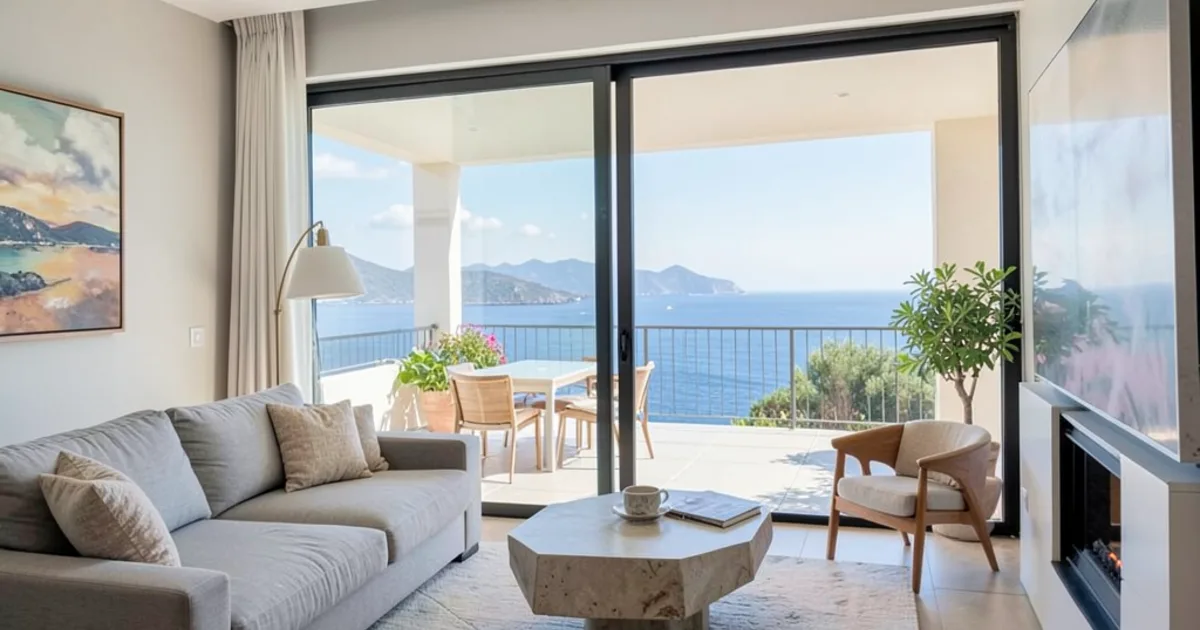
In the realm of global high-net-worth acquisitions, few markets offer the unique convergence of historical significance and modern prestige found in Israel. For many, purchasing a luxury villa or a seafront penthouse is not merely a search for capital appreciation, but a strategic cultural investment. This approach views real estate as a physical anchor to a heritage, providing a permanent residence that transcends simple utility. Understanding this dual nature of value is essential for any sophisticated investor looking to establish a presence in the region.
- Defining Cultural Investment in the Israeli Context
- Identifying Premium Property Archetypes in Israel
- Navigating the Legal Framework of High-Value Acquisitions
- Understanding the Fiscal Implications of Luxury Ownership
- The Role of Urban Renewal in Shaping Asset Value
- Integrating into the Local Social and Cultural Fabric
- Managing High-Value Assets from Abroad
- Mitigating Risks in the Luxury Real Estate Sector
- Conclusion: The Synthesis of Asset and Identity
Defining Cultural Investment in the Israeli Context
A cultural investment differs from a standard speculative play in its long-term orientation and emotional resonance. While traditional investors focus primarily on quarterly yields or short-term market fluctuations, the cultural investor seeks a permanent foothold in the landscape. In Israel, this often translates to a desire for property that reflects a connection to the land and the historical narrative of the nation. This makes the acquisition a statement of belonging rather than just a line item in a diversified portfolio.
The concept of 'presence' is central to this investment philosophy. Owning a significant estate or a high-end residence in a prime location serves as a tangible manifestation of one's ties to the region. This form of ownership provides a sense of continuity that can be passed down through generations, turning a physical asset into a family legacy. Consequently, the value of the property is measured not just in shekels, but in its ability to host family traditions and cultural milestones.
Furthermore, this type of investment often aligns with broader philanthropic or community-minded goals. An investor may choose a location based on its proximity to historical sites or its role in the revitalization of a specific district. By doing so, they contribute to the preservation and prestige of the local environment. This creates a symbiotic relationship between the owner and the cultural fabric of the area, reinforcing the property's long-term significance.
- Legacy building through generational ownership
- Physical manifestation of identity and heritage
- Contribution to local community and historical preservation
Identifying Premium Property Archetypes in Israel
The Israeli luxury market is characterized by distinct archetypes, each offering a different flavor of cultural and financial value. Seafront estates in coastal cities like Tel Aviv or Herzliya represent the pinnacle of modern Mediterranean luxury. These properties offer a lifestyle defined by openness, light, and proximity to the sea, catering to those who value a cosmopolitan and vibrant atmosphere. The scarcity of land along the coastline ensures that these assets remain highly coveted.
In contrast, Jerusalem offers a completely different experience, often centered around heritage villas and stone-built residences. These properties are frequently located in historic neighborhoods where the architecture itself tells a story of antiquity and resilience. Investing in a Jerusalem villa is often seen as an act of preserving history, as these homes are frequently designed to harmonize with the city's unique aesthetic. The value here is deeply rooted in the prestige of the location and the historical weight it carries.
For the urban elite, high-rise penthouses in burgeoning metropolitan centers provide a different kind of luxury. These residences focus on cutting-edge technology, panoramic views, and unparalleled privacy within a dense urban setting. They are ideal for those who wish to be at the center of Israel's technological and social innovation hubs. Whether it is a sprawling estate in the Galilee or a sleek penthouse in a central district, the choice of archetype dictates the nature of the cultural connection.
- Seafront estates: Coastal prestige and Mediterranean lifestyle
- Jerusalem villas: Historical resonance and architectural heritage
- Urban penthouses: Modernity, technology, and metropolitan access
Navigating the Legal Framework of High-Value Acquisitions
Entering the Israeli luxury market requires a rigorous understanding of the local legal landscape to ensure a secure transfer of rights. The most critical component of this process is the Tabu, the official land registry. Every serious investor must verify the property's status through a Tabu extract to confirm the seller's ownership and identify any existing liens, mortgages, or encumbrances. A failure to perform this due diligence can lead to catastrophic legal complications during the closing process.
Once the property has been identified, the drafting of a binding memorandum is the next essential step. This document, often prepared by a specialized lawyer, outlines the specific terms of the agreement, including the purchase price, payment schedules, and any conditions that must be met before the sale is finalized. It is vital that this memorandum is comprehensive, covering everything from the state of the property to the specific responsibilities of both parties. This contract serves as the foundation for the entire transaction.
Throughout the process, the roles of a notary and a legal representative are indispensable for managing complex high-value transfers. A notary ensures the authenticity of signatures and the legality of the documentation, while a lawyer provides strategic advice tailored to the investor's specific needs. Given the complexity of international transactions and high-value assets, relying on local legal expertise is not just recommended; it is a necessity for protecting one's cultural and financial interests.
- Verification of ownership through the Tabu land registry
- Execution of a comprehensive binding memorandum
- Engagement of specialized legal and notary services
Understanding the Fiscal Implications of Luxury Ownership
Taxation is a significant factor that must be integrated into the long-term planning of any luxury real estate investment. The primary tax encountered during acquisition is Mas Rekhisha, or purchase tax. In Israel, this tax is tiered and scales significantly with the value of the property. For high-end villas and penthouses, the tax burden can be substantial, and it is crucial to calculate these costs accurately before committing to a purchase. Understanding these tiers is essential for realistic budgeting.
When it eventually comes time to divest the asset, the investor must account for Mas Shevah, which is the capital gains tax. This tax is applied to the profit realized from the sale of the property. Depending on the duration of ownership and the specific circumstances of the sale, there may be certain exemptions or different rates applied. A well-structured exit strategy must consider these fiscal realities to ensure that the cultural investment remains a sound financial one.
Beyond the initial purchase and eventual sale, ongoing costs such as Arnona (property tax) and maintenance fees must be managed. Arnona is a municipal tax based on the size and location of the property, and for luxury estates, these amounts can be quite high. Additionally, high-end properties require significant upkeep to maintain their prestige and value. Factoring in these recurring expenses is vital for maintaining the property's condition and ensuring its long-term viability as a cultural asset.
- Mas Rekhisha: Tiered purchase tax based on property value
- Mas Shevah: Capital gains considerations for the exit strategy
- Arnona and maintenance: Ongoing operational costs
The Role of Urban Renewal in Shaping Asset Value
The landscape of Israeli real estate is constantly being reshaped by urban renewal initiatives, which can significantly impact the value of luxury assets. Programs such as Pinui Binui (evacuation and reconstruction) and various TABA (urban renewal) projects are designed to modernize older districts. While these projects can sometimes disrupt established neighborhoods, they often result in the creation of new, high-end residential hubs. For the investor, these developments represent both a risk and a significant opportunity for appreciation.
Investing in an area slated for renewal requires a nuanced approach to due diligence. One must evaluate the potential for modernization versus the risk of losing the original character that makes the area culturally significant. A successful investor looks for properties that will benefit from upgraded infrastructure and new amenities without losing their historical soul. This balance is what defines a truly high-value cultural investment in an evolving urban environment.
Furthermore, urban renewal often leads to a densification of luxury offerings. As older, smaller structures are replaced by modern towers and sophisticated villas, the local standard of living and the overall prestige of the district often rise. This can create a 'halo effect' where the value of surrounding properties increases due to the improved amenities and higher-quality surroundings. Monitoring these municipal trends is a key component of proactive real estate management.
- Impact of Pinui Binui on neighborhood prestige
- Balancing modernization with historical preservation
- Capitalizing on infrastructure upgrades and densification
Integrating into the Local Social and Cultural Fabric
A cultural investment is only successful if the owner can effectively integrate into the local environment. This is particularly true for those moving to Israel from abroad. Engaging with the local community and understanding the social nuances of a specific neighborhood can enhance the overall experience of ownership. For many, this journey begins with the process of Aliyah or through intensive language studies such as Ulpan. These steps facilitate a deeper connection to the people and the culture.
Luxury enclaves in Israel often have their own unique social dynamics. Whether it is a high-security villa community or a vibrant, upscale urban neighborhood, understanding the local customs and social expectations is vital. Being an active member of the community, even in a limited capacity, can provide a sense of belonging that a mere financial investment cannot offer. This social integration turns a residence into a true home and a piece of one's personal history.
Moreover, the amenities and lifestyle offered by a luxury property should align with the owner's cultural values. Proximity to cultural institutions, high-quality educational facilities, and specific community hubs can significantly influence the long-term satisfaction of the owner. A property that supports the owner's lifestyle and social connections is far more likely to be viewed as a successful cultural investment. It is the synergy between the physical asset and the human experience that creates lasting value.
- The importance of language and cultural integration (Ulpan)
- Navigating the social dynamics of luxury enclaves
- Aligning property amenities with personal and cultural lifestyle
Managing High-Value Assets from Abroad
Many investors in the Israeli luxury market manage their properties from abroad, which introduces a unique set of logistical challenges. Maintaining a high-end villa or penthouse requires consistent attention to detail, from security to routine maintenance. Without a local presence, it is essential to establish a reliable network of professionals who can act as stewards of the property. This might include property management companies, local security firms, and specialized maintenance contractors.
Security is a paramount concern for luxury owners in the region. Implementing advanced security protocols and ensuring that the property is monitored 24/7 is a non-negotiable aspect of stewardship. A professional management team can oversee these systems, ensuring that the property remains a safe haven for the owner whenever they choose to visit. This level of oversight is critical for preserving both the physical asset and the owner's peace of mind.
Effective communication and digital management tools have made remote ownership more feasible, but they do not replace the need for local expertise. Having a trusted local representative or a dedicated agency to handle administrative tasks, such as paying Arnona or managing utility companies, is vital. This allows the investor to focus on the broader strategic aspects of their investment while ensuring that the day-to-day operations of the property are handled with professional care.
- Establishing a local network of professional stewards
- Implementing robust security and monitoring protocols
- Utilizing local management for administrative and maintenance tasks
Mitigating Risks in the Luxury Real Estate Sector
While the potential for cultural and financial reward is high, investors must remain vigilant regarding market risks. The luxury sector can be more sensitive to macroeconomic shifts and geopolitical developments than the broader housing market. Volatility in the global economy can affect the liquidity of high-value assets, making it important to maintain a long-term perspective. Investors should avoid making decisions based on short-term market noise and instead focus on the fundamental value of the property.
Regulatory and legal changes also pose a constant variable in the Israeli market. Shifts in taxation laws, zoning regulations, or urban renewal policies can alter the landscape of an investment overnight. Continuous monitoring of legislative trends and staying informed through professional channels is essential. A proactive approach to understanding these changes allows an investor to adjust their strategy and mitigate potential negative impacts on their portfolio.
Due diligence remains the most effective tool for risk mitigation. This extends beyond the initial purchase to the ongoing management of the asset. Regularly assessing the condition of the property, the stability of the local neighborhood, and the current legal standing of the area is crucial. By treating the property as a living investment that requires constant oversight, an investor can protect their capital and ensure the longevity of their cultural legacy.
- Managing sensitivity to macroeconomic and geopolitical shifts
- Adapting to regulatory and legislative changes
- Continuous due diligence and proactive asset oversight
Conclusion: The Synthesis of Asset and Identity
Investing in luxury real estate in Israel is a multifaceted endeavor that transcends the traditional boundaries of finance. It is an act of building a bridge between one's personal identity and the physical landscape of a significant nation. By viewing property as a cultural investment, the owner gains more than just an appreciating asset; they gain a sense of place and a vessel for their heritage. This holistic approach to real estate creates a deeper, more meaningful connection to the investment.
The successful investor is one who can balance the pursuit of financial stability with the desire for cultural resonance. This requires a sophisticated understanding of legal frameworks, tax implications, and the unique archetypes of the Israeli market. It also demands a commitment to stewardship and a willingness to engage with the local environment. When these elements are aligned, the property becomes a powerful tool for both wealth preservation and legacy building.
Ultimately, the value of a luxury estate in Israel is found in its ability to stand the test of time. Whether it is a historic villa in Jerusalem or a modern masterpiece on the Tel Aviv coast, these properties serve as anchors in an ever-changing world. For those who approach the market with expertise, nuance, and a vision for the future, luxury real estate offers a unique opportunity to invest in something truly enduring: a home that is part of a larger, profound story.
- The convergence of financial value and personal identity
- The necessity of a balanced, multi-dimensional investment strategy
- Real estate as an enduring vessel for legacy and heritage
FAQ
How does the Tabu land registry impact a luxury purchase?
The Tabu is the definitive source of truth regarding property ownership and legal status in Israel. Checking the Tabu ensures that the seller has the legal right to sell and that there are no hidden mortgages or legal disputes that could jeopardize your investment.
What are the primary taxes associated with luxury real estate in Israel?
The most significant taxes are Mas Rekhisha (purchase tax) at the time of acquisition and Mas Shevah (capital gains tax) when you eventually sell the property. Additionally, you must account for ongoing municipal taxes like Arnona.
Can I manage a luxury villa in Israel if I live abroad?
Yes, many international owners manage their properties remotely by hiring professional management firms and local legal representatives. These professionals handle security, maintenance, and administrative tasks like paying municipal taxes.
What is the difference between a cultural and a financial investment?
A financial investment focuses primarily on capital appreciation and rental yields. A cultural investment seeks to establish a permanent connection to the land, heritage, and community, prioritizing long-term legacy and identity.
Get your personalised shortlist
Listings and up-to-date info, straight to your inbox, free, no obligation.
See luxury homes →