Luxury seafront estates in Israel: Price comparison by city
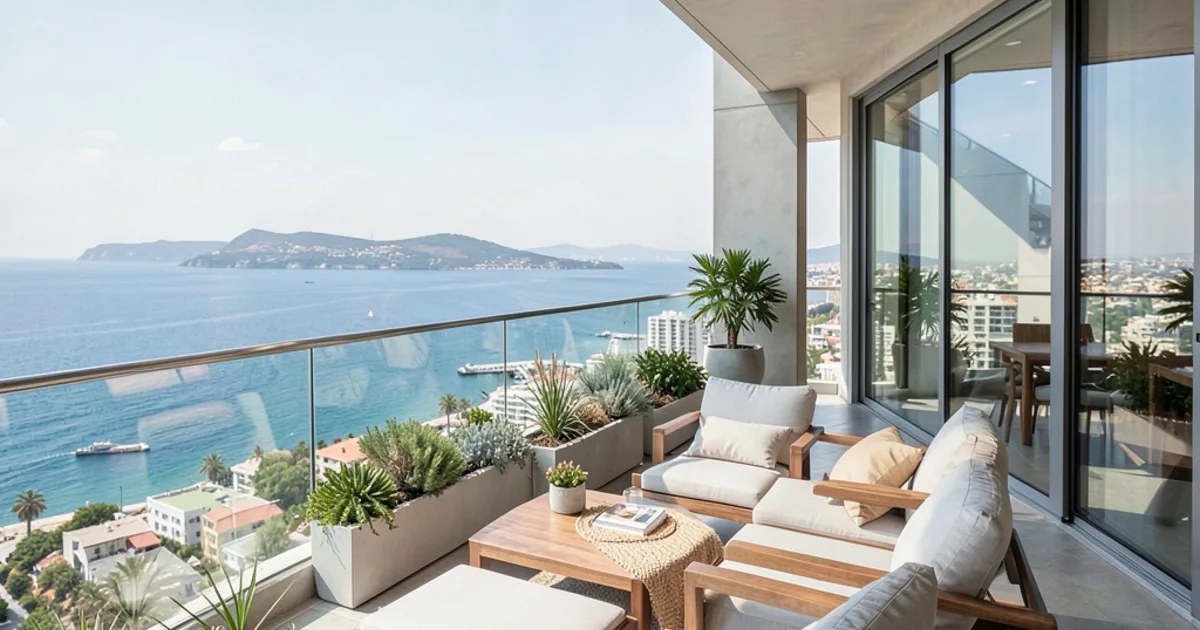
The Israeli coastline offers some of the most coveted real estate in the Mediterranean, characterized by a diverse array of architectural styles and lifestyle offerings. For the discerning investor or resident, understanding the nuances between urban beachfront luxury and sprawling coastal estates is essential. This guide provides an in-depth comparison of property values and characteristics across the nation's primary coastal hubs.
Quick answer: Luxury seafront estates in Israel vary significantly in price depending on the coastal city, with Tel Aviv and Haifa offering distinct market dynamics. Prices are influenced by specific location, property size, and proximity to the beach, making direct comparison essential for accurate valuation.
- The Coastal Real Estate Landscape in Israel
- Tel Aviv: The Pinnacle of Urban Seafront Luxury
- Herzliya Pituach: Exclusive Villa Living and Privacy
- Caesarea: Grand Estates and Timeless Coastal Elegance
- Netanya: A Diverse Spectrum of Beachfront Opportunities
- The Southern Coast: Emerging Luxury in Ashdod and Beyond
- Key Variables Driving Seafront Property Valuations
- Navigating the Legal Framework: Tabu and Property Rights
- Financial Realities: Taxes and Financing in the Israeli Market
- Ongoing Costs: Arnona and Maintenance of Waterfront Estates
- Strategic Advice for International Investors and Residents
- Final Considerations for Your Coastal Acquisition
The Coastal Real Estate Landscape in Israel
The Israeli coastline is a mosaic of high-density urban centers, exclusive gated communities, and historic seaside towns. Each region offers a distinct atmosphere, ranging from the fast-paced, cosmopolitan energy of the center to the more tranquil, expansive estates of the north and south. This diversity means that 'seafront property' can describe anything from a high-rise luxury penthouse to a multi-acre villa with private beach access.
When evaluating these properties, one must consider that the value is rarely just about the square footage. The proximity to the shoreline, the unobstructed nature of the sea view, and the specific type of coastal access play massive roles in determining the final price. Furthermore, the distinction between a property that simply 'looks' at the sea and one that sits directly on the sand is a primary driver of market segmentation.
Investors should also be aware of the varying levels of development in different coastal zones. While some areas are characterized by mature, established luxury neighborhoods, others are undergoing significant transformation through new luxury builds and massive infrastructure projects. Understanding these cycles is vital for anyone looking to acquire a high-value asset in the Israeli market.
- Urban Penthouses: High-rise, service-oriented, and centrally located.
- Coastal Villas: Private, often gated, with substantial land plots.
- Boutique Seafront Estates: Smaller, exclusive developments in historic areas.
Tel Aviv: The Pinnacle of Urban Seafront Luxury
Tel Aviv represents the most concentrated and high-demand segment of the Israeli luxury market. Here, the concept of a seafront estate often translates to ultra-luxury penthouses located in high-rise towers along the Mediterranean. These properties offer a lifestyle of convenience, where world-class dining, culture, and nightlife are just steps away from the beach.
The pricing in Tel Aviv is driven by scarcity and the prestige of the address. Because land is at a premium, the vertical expansion of luxury living has become the norm. A penthouse in a premier tower can command a significant premium compared to standard apartments, especially if it includes private rooftop gardens, infinity pools, or direct elevator access.
While the price points are among the highest in the country, the liquidity of these assets is also notably high. Tel Aviv remains a global hub, attracting international interest that helps maintain the value of prime beachfront real estate. However, buyers must be prepared for higher density and a more fast-paced environment compared to the northern coastal towns.
- Key Property Types: Luxury penthouses, duplexes, and high-end sky villas.
- Primary Drivers: Proximity to urban amenities, view quality, and building prestige.
Herzliya Pituach: Exclusive Villa Living and Privacy
Moving slightly north of Tel Aviv, Herzliya Pituach offers a different paradigm of luxury. Instead of high-rise density, this area is renowned for its exclusive, often gated communities and sprawling luxury villas. It is a preferred destination for high-net-worth individuals who prioritize privacy, security, and a sense of community without sacrificing proximity to major business hubs.
The architecture in Herzliya Pituach often emphasizes large plots of land and significant garden spaces. These estates are designed for grand-scale living, frequently featuring multiple guest wings, extensive outdoor entertaining areas, and high-security infrastructure. The price of these properties is heavily influenced by the size of the land plot and the degree of seclusion offered.
The market here is characterized by stability and a very high barrier to entry. While there may be fewer total transactions compared to Tel Aviv, the quality and exclusivity of the offerings are unparalleled. For those seeking a 'compound' feel with direct or near-direct access to the sea, Herzliya Pituach remains a premier choice.
- Key Property Types: Detached luxury villas, gated estate homes.
- Primary Drivers: Land size, privacy levels, and community exclusivity.
Caesarea: Grand Estates and Timeless Coastal Elegance
Caesarea offers a level of grandeur that is difficult to replicate in the more urbanized parts of the country. Known for its historical significance and stunning natural beauty, the coastal estates here are often characterized by their immense scale and integration with the landscape. This is where one finds true 'estates' in the traditional sense.
Properties in Caesarea often feature expansive gardens, proximity to ancient archaeological sites, and a sense of permanence. The lifestyle is much more relaxed and focused on nature and heritage. The price of these estates is driven by the sheer volume of land and the unique opportunity to own a piece of one of Israel's most prestigious historical coastal stretches.
Investors in Caesarea are often looking for legacy assets. These are properties intended to be held for generations, offering a level of prestige that transcends mere real estate. While the pace of life is slower, the value proposition lies in the rarity of such large, high-quality coastal holdings.
- Key Property Types: Large-scale manor houses, historical-style estates, beachfront villas.
- Primary Drivers: Land acreage, historical prestige, and natural landscape integration.
Netanya: A Diverse Spectrum of Beachfront Opportunities
Netanya provides a broad spectrum of luxury options, making it a unique player in the coastal market. It offers a mix of high-rise luxury living along the promenade and more traditional, large villas in its more established residential neighborhoods. This diversity allows for a wider range of price points compared to the highly concentrated markets of Tel Aviv or Herzliya.
The high-rise developments in Netanya have seen significant growth, offering modern amenities and impressive sea views. These are often more accessible to a broader range of luxury buyers than the penthouses in Tel Aviv. Simultaneously, the villa market in Netanya caters to those who desire more space and a more suburban feel while remaining close to the coast.
The value in Netanya is often found in the balance between lifestyle and price. While it may not command the same extreme premiums as the central hubs, it offers significant value for those seeking high-quality coastal living. The expansion of infrastructure and new luxury builds continues to drive interest in this coastal city.
- Key Property Types: Modern high-rise apartments, luxury seaside villas, renovated beachfront homes.
- Primary Drivers: View unobstructedness, proximity to the promenade, and property age.
The Southern Coast: Emerging Luxury in Ashdod and Beyond
The southern reaches of the Israeli coast, including areas around Ashdod, represent an emerging frontier for luxury real estate. While traditionally seen as more industrial or residential-focused, new large-scale developments are introducing high-end beachfront living to this region. This creates an opportunity for early movers to acquire luxury assets at a different value proposition than the north.
The growth in the south is often driven by massive urban planning projects and the construction of new, modern luxury towers. These developments aim to attract a more affluent demographic by offering contemporary amenities and direct sea access. As the infrastructure improves and the luxury segment matures, we expect to see a significant shift in the regional market dynamics.
For investors, the south offers a potential for value appreciation. While the current price levels may be lower than in the central coastal cities, the trajectory of development suggests a move toward higher-end coastal living. It is a region to watch for those looking for long-term growth potential in the luxury sector.
- Key Property Types: New-build luxury towers, modern waterfront apartments.
- Primary Drivers: Development potential, infrastructure growth, and price-to-value ratio.
Key Variables Driving Seafront Property Valuations
When analyzing the price of a seafront estate, several critical variables must be considered. The most obvious is the view. A 'sea view' can range from a partial glimpse between buildings to a panoramic, unobstructed vista. In the luxury market, the difference between these two can result in a massive price variance.
Proximity to the water is the second major factor. A property that is literally on the sand will always command a premium over a property that is a few streets back but still has a view. This 'distance to shore' metric is a fundamental component of coastal valuation models.
Finally, the specific amenities and the condition of the property play a significant role. In the luxury segment, features such as private beach access, high-end security systems, smart-home integration, and expansive outdoor living spaces are not just luxuries, they are essential components of the valuation.
- View Quality: Unobstructed vs. partial vs. seasonal.
- Directness: Beachfront vs. sea-view vs. coastal-adjacent.
- Amenities: Private pools, security, landscaping, and smart technology.
Navigating the Legal Framework: Tabu and Property Rights
Acquiring luxury real estate in Israel requires rigorous due diligence, primarily centered around the Tabu (the official land registry). It is essential to ensure that the seller has clear, unencumbered title to the property. Any discrepancy in the Tabu records regarding boundaries, rights of way, or liens can lead to significant legal complications.
A crucial step in the transaction is the signing of the binding memorandum, known in Hebrew as the Hov Sheva. This document outlines the terms of the sale, the payment schedule, and the conditions for completion. Because luxury transactions often involve large sums and complex terms, having a qualified legal professional review this document is non-negotiable.
Buyers must also investigate any restrictions or easements that may affect the property. In coastal areas, this often includes municipal regulations regarding building heights, setbacks from the shoreline, and public access rights. Understanding these nuances is vital to ensuring that the property you are purchasing can be used as intended.
- Verification: Checking the Tabu for liens, mortgages, or ownership disputes.
- Documentation: Ensuring the Hov Sheva is comprehensive and legally sound.
- Municipal Rights: Confirming building permits and coastal access regulations.
Financial Realities: Taxes and Financing in the Israeli Market
The financial aspect of purchasing a luxury estate involves several layers of taxation. The most immediate is the Mas Rekhisha (purchase tax), which is tiered based on the value of the property. For high-value luxury homes, this tax can represent a substantial portion of the total acquisition cost. It is vital to calculate this early in the process.
On the side of the seller, the Mas Shevah (capital gains tax) is a significant factor. This tax is applied to the profit made on the sale of the property. For investors, understanding how Mas Shevah affects the net return on investment is critical for long-term financial planning.
Financing via a Mashkanta (mortgage) is available, though the terms and availability can vary for international buyers. While some lenders are accustomed to working with foreign nationals, the process often requires more extensive documentation and may involve different interest rate structures than those offered to local residents.
- Mas Rekhisha: Tiered purchase tax based on property value.
- Mas Shevah: Capital gains tax applied to the seller's profit.
- Mashkanta: Mortgage options and considerations for local vs. foreign buyers.
Ongoing Costs: Arnona and Maintenance of Waterfront Estates
Owning a luxury seafront estate involves significant ongoing expenses beyond the initial purchase price. One of the primary recurring costs is the Arnona, the municipal property tax. Because luxury estates are often located in high-value areas and cover large surface areas, the Arnona can be quite substantial.
Maintenance is another critical factor, especially for properties located in the salt-heavy coastal environment. The proximity to the sea means that exterior finishes, windows, and landscaping require more frequent upkeep to prevent corrosion and damage. High-end estates often require specialized maintenance teams to preserve their value and aesthetic appeal.
In many luxury developments, such as high-rise towers or gated communities, owners must also pay monthly management fees (Va'ad HaBayit). These fees cover the upkeep of common areas, security, pool maintenance, and other shared amenities. For large-scale villas, these costs are often handled privately, but they remain a significant part of the total cost of ownership.
- Arnona: Municipal tax based on property size and location.
- Coastal Upkeep: Specialized maintenance for salt-air environments.
- Management Fees: Costs for shared amenities and security in managed communities.
Strategic Advice for International Investors and Residents
For those moving to Israel or investing in its luxury market, a proactive approach is essential. While many high-end transactions are conducted in English, having a local presence is a significant advantage. This includes working with a reputable local agency and a notary who understands the specific complexities of Israeli real estate law.
Cultural and linguistic integration can also facilitate smoother transactions. While not strictly necessary for the legal process, attending an Ulpan (Hebrew language school) can provide a better understanding of local nuances and help in navigating municipal interactions or local community life. This immersion can be invaluable when managing long-term assets.
Finally, always prioritize transparency and professional counsel. Avoid any promises of 'guaranteed gains' and instead focus on data-driven decisions. Engaging a multidisciplinary team, including a lawyer, a tax advisor, and a specialized real estate consultant, is the most effective way to mitigate risk in the high-stakes world of Israeli beachfront real estate.
- Local Expertise: Engaging specialized agencies and legal professionals.
- Cultural Integration: The value of language and local understanding.
- Risk Mitigation: Avoiding speculative promises and relying on professional advice.
Final Considerations for Your Coastal Acquisition
Choosing a seafront estate in Israel is a decision that combines lifestyle aspirations with significant financial investment. Whether you are drawn to the urban sophistication of Tel Aviv, the privacy of Herzliya, or the historic grandeur of Caesarea, each location offers a unique set of advantages and challenges.
The key to a successful acquisition lies in a deep understanding of the local market, a clear grasp of the legal and tax implications, and a realistic view of the ongoing costs of ownership. By approaching the process with due diligence and expert guidance, you can secure a property that provides both exceptional living and long-term value.
The Israeli coast remains one of the most dynamic and attractive real estate markets in the Mediterranean. As development continues and the demand for high-quality coastal living grows, the opportunities for discerning buyers to find their perfect seaside home are as diverse as the coastline itself.
FAQ
What is the difference between a sea view and a beachfront property?
A sea view property is one where the ocean is visible from the windows or balconies, but the property may be located several streets away from the shore. A beachfront property, however, is situated directly on the sand, offering immediate and private access to the coastline.
Can international buyers obtain a Mashkanta (mortgage) in Israel?
Yes, it is possible for international buyers to obtain a Mashkanta, but the process is often more complex than it is for local residents. Lenders may require higher down payments and more extensive documentation regarding foreign income and assets.
How does the Mas Rekhisha (purchase tax) work for luxury homes?
Mas Rekhisha is a tiered tax that increases as the property value rises. For luxury estates, which often fall into the highest brackets, this tax can represent a very significant portion of the total acquisition budget.
Is it necessary to check the Tabu before buying a property?
Absolutely. Checking the Tabu is a fundamental step in the due diligence process to ensure the seller has legal ownership and that there are no undisclosed liens or encumbrances on the property.
What are the typical ongoing costs for a seafront villa?
Ongoing costs include the Arnona (municipal tax), which is based on size and location, and significant maintenance costs due to the coastal environment. Additionally, you may have costs for private security, landscaping, and pool maintenance.
Get your personalised shortlist
Listings and up-to-date info, straight to your inbox, free, no obligation.
See luxury homes →