Off-plan vs resale: Which is better for luxury real estate investment in Israel?
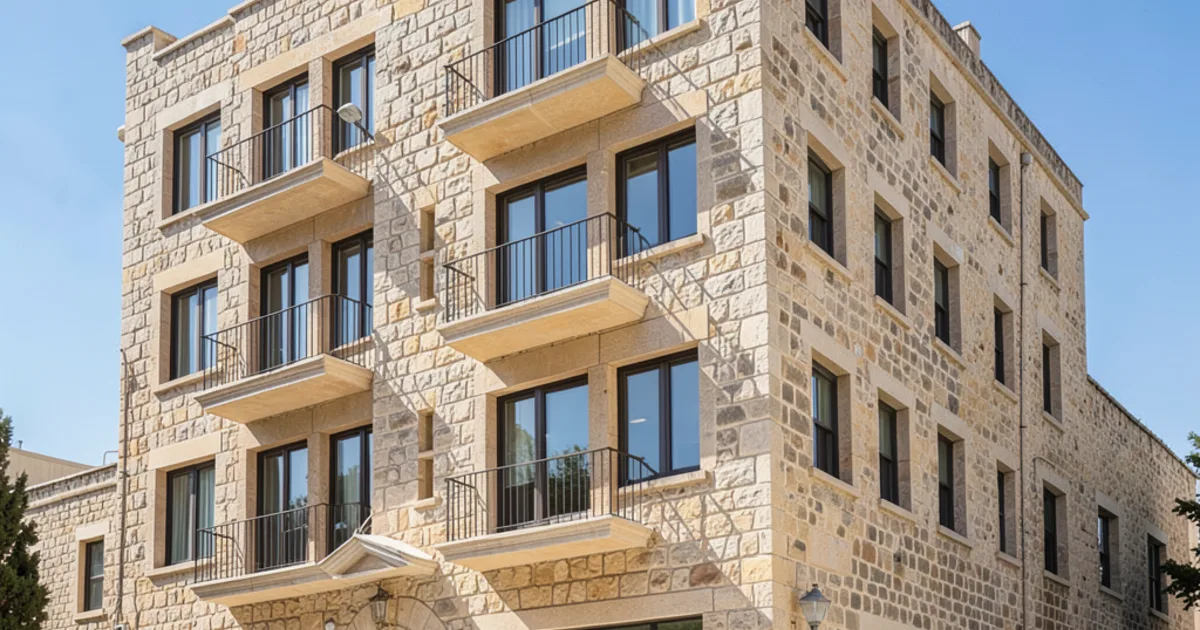
Entering the Israeli luxury real estate market is a significant milestone for any sophisticated investor. Whether you are eyeing a sprawling villa in a coastal enclave or a high-tech penthouse in a metropolitan center, the choice of entry point is critical. This guide examines the fundamental differences between off-plan investments and resale luxury properties to help you make an informed decision.
Quick answer: For a custom home in Kfar Shmaryahu, hiring a specialized general contractor is often more reliable than off-plan developers, as it allows for full control over design and build quality. Resale properties in the area may offer immediate availability but often require significant renovation to meet luxury standards.
- What defines the luxury real estate landscape in Israel?
- What are the strategic advantages of off-plan luxury investments?
- How can you navigate the inherent risks of off-plan developments?
- Why might an investor choose a resale luxury property?
- What are the hidden complexities of resale luxury transactions?
- How do taxes and transaction costs differ between the two?
- What are the considerations for financing a luxury acquisition?
- Why is legal due diligence critical in the Israeli market?
- How does location maturity impact your investment?
- What are the ongoing costs of maintaining luxury assets?
- How do appreciation and exit strategies differ?
- Which path is right for your investment portfolio?
What defines the luxury real estate landscape in Israel?
The Israeli luxury market is characterized by a diverse array of high-value assets that cater to a global clientele. From the sophisticated urban penthouses of Tel Aviv to the expansive seaside estates in Herzliya, the demand for premium living spaces remains resilient. Each region offers a unique value proposition, blending Mediterranean lifestyle with high-density urban convenience. Investors must recognize that luxury in Israel is not a monolith; it varies significantly by geography and property type.
In metropolitan areas, luxury often translates to cutting-edge architecture, smart-home integration, and proximity to cultural hubs. Conversely, in the coastal regions, the focus shifts toward privacy, expansive gardens, and unobstructed sea views. Understanding these distinctions is the first step in determining whether your investment goals are centered on lifestyle appreciation or pure capital growth. The market is driven by both local demand and international interest, creating a complex but rewarding environment.
Furthermore, the distinction between a modern high-rise and a traditional luxury villa can impact your liquidity and management requirements. High-rise penthouses often come with communal amenities like gyms and concierge services, while villas offer more autonomy and land value. Both segments require a nuanced approach to acquisition and long-term maintenance. A successful investor approaches the market with an eye for both the physical asset and the surrounding ecosystem.
- Urban Penthouses: Focused on density, tech-integration, and proximity to business districts.
- Coastal Villas: Focused on privacy, land ownership, and lifestyle amenities.
- Seafront Estates: High-prestige assets with significant scarcity value.
What are the strategic advantages of off-plan luxury investments?
Investing in off-plan properties allows you to enter the market at a more competitive price point than established, move-in-ready homes. Developers often offer introductory pricing to secure early capital, which can lead to significant equity growth by the time construction is complete. This 'entry advantage' is a primary driver for investors looking to maximize their long-term capital gains. By purchasing early, you are essentially betting on the appreciation of the land and the finished product.
Another significant benefit is the ability to customize the interior specifications of your luxury home. When purchasing a new build, investors can often work with the developer to select high-end finishes, flooring, and kitchen configurations. This level of personalization ensures that the final product aligns perfectly with modern luxury standards and your specific aesthetic preferences. In a market where 'newness' carries a premium, a customized home can command a much higher resale value.
Modern off-plan developments are also built to the latest technological and environmental standards. This includes advanced energy-efficient systems, smart-home infrastructure, and superior soundproofing that older buildings may lack. These features are increasingly important to high-net-worth buyers who prioritize sustainability and seamless technology integration. Investing in a new build ensures that the property remains relevant and competitive for many years to come.
- Lower entry price compared to completed luxury assets.
- Opportunity for bespoke interior customization.
- Integration of the latest smart-home and energy-efficient technologies.
How can you navigate the inherent risks of off-plan developments?
The most prominent risk in off-plan investing is the potential for construction delays. Large-scale luxury projects are subject to various external factors, including labor shortages, supply chain disruptions, and municipal approval processes. While developers often include grace periods in their contracts, an extended delay can disrupt your financial planning and capital deployment. It is vital to assess the developer's track record and previous project timelines before committing.
The legal framework surrounding off-plan sales requires meticulous attention to the binding memorandum. This document is the cornerstone of your protection, outlining the rights, obligations, and timelines of both the buyer and the developer. If the memorandum is poorly drafted or lacks specific protections regarding completion dates and quality standards, the investor is left vulnerable. Always ensure that a qualified legal professional reviews this document in exhaustive detail.
There is also the risk that the final product may not perfectly mirror the initial marketing materials or architectural renderings. While luxury developers strive for perfection, discrepancies in views, materials, or communal spaces can occur. This risk can be mitigated by conducting thorough due diligence on the developer's reputation and requesting detailed technical specifications early in the process. An investor must balance the vision of the project with the reality of construction capabilities.
Why might an investor choose a resale luxury property?
The most immediate advantage of a resale property is the ability to take possession and utilize the asset right away. For investors who require a residence for immediate use or wish to generate rental income without a multi-year wait, resale is the logical choice. There is no uncertainty regarding the completion date, allowing for precise financial and lifestyle planning. This immediacy provides a level of certainty that off-plan projects simply cannot match.
Resale properties offer the benefit of 'proven value' and tangible reality. When you view a resale villa or penthouse, you are seeing the actual views, the true scale of the rooms, and the quality of the neighborhood. There is no need to rely on digital renderings or speculative models. This transparency reduces the psychological stress of investing in something that does not yet exist, providing peace of mind to the cautious investor.
Established luxury neighborhoods often provide a level of community and infrastructure that new developments may take years to cultivate. In many of Israel's most prestigious areas, the social fabric, local high-end amenities, and security presence are already well-established. Buying into an existing luxury enclave allows you to tap into a mature ecosystem of high-net-worth neighbors and premium services. This stability is a significant draw for those seeking a seamless transition into the local lifestyle.
- Immediate occupancy and potential for instant rental income.
- Tangible inspection of the property, views, and finishes.
- Entry into established, mature luxury communities.
What are the hidden complexities of resale luxury transactions?
One of the primary challenges with resale luxury assets is the potential for hidden maintenance or structural issues. Older luxury villas, while prestigious, may require significant upgrades to their plumbing, electrical, or climate control systems. What appears to be a pristine estate on the surface may harbor costly repairs that can erode your initial investment. A comprehensive technical inspection is a non-negotiable step in the resale process.
The aesthetic of a resale property may also be outdated relative to current luxury trends. While a penthouse might have been state-of-the-art a decade ago, it may now lack the smart-home features or open-plan layouts that modern buyers demand. Renovating a luxury property can be a complex and expensive endeavor, often requiring specialized contractors and strict adherence to municipal building codes. This adds an extra layer of cost and time to the investment.
Furthermore, the legal status of older properties requires extra scrutiny within the Tabu land registry. It is essential to ensure that the title is clear and that there are no undisclosed liens, encumbrances, or disputes regarding land boundaries. In some cases, older properties may have complex ownership structures that require significant legal work to resolve. Navigating these complexities requires a highly experienced legal team to ensure a clean transfer of ownership.
How do taxes and transaction costs differ between the two?
The Israeli tax landscape requires a clear understanding of both purchase and sale taxes. When buying a new property directly from a developer, the purchase tax, known as Mas Rekhisha, is calculated based on the transaction value. For luxury assets, these rates can be substantial, and it is crucial to understand how the tax brackets apply to your specific purchase price. Proper budgeting for Mas Rekhisha is essential to avoid liquidity issues during the closing phase.
In a resale transaction, the buyer is still subject to Mas Rekhisha, but the negotiation dynamics may differ. The seller will be concerned with Mas Shevah, which is the capital gains tax on the appreciation of the property. While the buyer does not pay Mas Shevah directly, the seller's tax liability can influence the final asking price and the overall negotiation. A savvy investor accounts for these secondary effects when making an offer on an existing luxury home.
Beyond direct taxes, there are various administrative costs that apply to both paths. These include notary fees for document authentication, legal fees for the drafting of contracts, and municipal registration costs. In the luxury segment, these fees are often higher due to the complexity and value of the transactions. Always factor these 'soft costs' into your total acquisition budget to ensure your return on investment remains accurate.
- Mas Rekhisha: Purchase tax applicable to both new and resale properties.
- Mas Shevah: Capital gains tax typically borne by the seller in resale.
- Administrative Costs: Notary, legal, and registration fees.
What are the considerations for financing a luxury acquisition?
Securing a mortgage, or Mashkanta, in Israel for luxury properties involves different processes depending on the property type. For resale properties, banks typically conduct a formal valuation of the existing asset, which can be a straightforward process if the property is well-documented. This valuation forms the basis for the loan-to-value ratio. Having a clear, appraised value provides more certainty when negotiating with financial institutions.
Financing an off-plan luxury property can be more complex, as the bank is essentially lending against a future asset. Lenders may require different stages of payment or specific guarantees from the developer to secure the Mashkanta. The valuation process for an unbuilt property relies heavily on the developer's reputation and the projected market value of the area. This can sometimes lead to more stringent lending requirements or higher interest rate considerations.
Regardless of the path, high-net-worth investors should consider the overall structure of their debt. Using a Mashkanta can provide leverage, but it also introduces interest rate risk and repayment obligations. Many luxury investors choose to combine bank financing with private capital to maintain flexibility. Consulting with a mortgage specialist who understands the nuances of the Israeli banking sector is highly recommended for large-scale acquisitions.
Why is legal due diligence critical in the Israeli market?
Due diligence in Israel is not merely a formality; it is a fundamental safeguard for your capital. The first step is always a thorough check of the Tabu land registry to confirm legal ownership and identify any existing encumbrances. For luxury estates, this may also involve verifying municipal zoning laws and building permits. Ensuring that the property is legally 'clean' is the most important aspect of the acquisition process.
When dealing with off-plan developments, the legal focus shifts to the binding memorandum. This contract must clearly define the developer's obligations, the delivery timeline, and the penalties for non-compliance. A robust memorandum should also include clauses regarding the quality of construction and the specific amenities promised. Without a strong legal foundation, an investor is at the mercy of the developer's performance.
For resale properties, due diligence must also cover the history of the property and its maintenance. This includes reviewing previous building committee decisions and ensuring that any renovations performed by the previous owner were legally permitted by the municipality. A qualified lawyer will work closely with a notary and local experts to ensure that every aspect of the transaction is transparent and legally binding. Never bypass these steps in the pursuit of a quick deal.
How does location maturity impact your investment?
The maturity of a location plays a significant role in both the lifestyle and the investment potential of a luxury property. New developments are often located in 'emerging' luxury zones where infrastructure is still being built. While these areas offer the excitement of growth and potentially high appreciation, they may lack the immediate amenities of an established neighborhood. Investors must evaluate the municipality's long-term plans for these areas to gauge future growth.
Established luxury neighborhoods, by contrast, offer immediate stability and a high standard of living. These areas have proven track records of value retention and are often located near the best schools, hospitals, and high-end shopping. While the rapid appreciation seen in new zones might be less pronounced, the risk profile is generally lower. These locations are often preferred by those seeking a 'safe haven' for their capital.
When choosing between an off-plan project in a new area and a resale property in an old one, consider the infrastructure. A new development might promise a future park or a new commercial center, but these are promises, not certainties. An established area offers a realized reality. Your decision should be based on whether you are looking to capture the growth of a rising neighborhood or the stability of a premier enclave.
- Emerging Zones: High growth potential but higher infrastructure risk.
- Established Enclaves: Proven stability and immediate high-end amenities.
- Infrastructure Check: Evaluate municipal development plans and existing services.
What are the ongoing costs of maintaining luxury assets?
Owning a luxury property in Israel involves several recurring expenses that must be factored into your long-term financial model. One of the primary costs is Arnona, the municipal property tax. The rate of Arnona can vary significantly depending on the size of the property, its use (residential vs. commercial), and the specific municipality. In luxury areas, Arnona rates are often higher due to the premium services provided by the local government.
For high-rise penthouses and luxury complexes, building management fees (Va'ad HaBayit) can be substantial. These fees cover the maintenance of communal areas, security services, landscaping, and amenities like pools or gyms. In a high-end development, these costs are necessary to maintain the property's prestige and value, but they represent a significant monthly or annual outflow. It is important to request a detailed breakdown of these fees during your due diligence.
Additionally, luxury assets, especially villas, require significant upkeep to remain in top condition. This includes regular landscaping, pool maintenance, and the upkeep of advanced security systems. For resale properties, you must also account for the potential cost of periodic renovations to keep the property competitive. A well-managed property preserves its value, but it requires consistent and disciplined financial commitment.
How do appreciation and exit strategies differ?
The appreciation profiles of off-plan and resale properties follow different trajectories. Off-plan investments typically see a significant jump in value from the time of purchase to the time of completion, as the 'risk premium' of construction is removed. This is often the most lucrative phase for an investor. However, once the project is finished, the rate of appreciation may stabilize as the property enters the mature market.
Resale properties tend to follow a more steady and predictable appreciation curve. Because the asset is already established, its value is driven more by market trends, inflation, and the continued desirability of the neighborhood. While you might not see the dramatic 'leap' in value associated with new builds, the volatility is generally much lower. This makes resale properties attractive for conservative investors focused on wealth preservation.
When planning your exit strategy, consider the liquidity of the asset type. A high-demand penthouse in a central metropolitan area may be easier to sell quickly than a large, specialized villa in a remote area. Always consider your timeline; if you need liquidity in the medium term, a resale property in a high-demand area may be safer. If you have a long-term horizon and are seeking maximum growth, an off-plan project in an emerging luxury zone might be more rewarding.
Which path is right for your investment portfolio?
Ultimately, the choice between off-plan and resale luxury real estate in Israel depends on your specific financial goals and risk tolerance. If you are looking for maximum capital growth, are comfortable with construction timelines, and wish to customize your asset, off-plan is a compelling option. This path requires more active management and a higher tolerance for the uncertainties of the development process.
If your priority is stability, immediate use, and the certainty of a tangible asset, the resale market is the superior choice. Resale properties allow you to step into a proven lifestyle and a known environment with much less speculative risk. This path is often preferred by those who view real estate as a way to preserve wealth rather than purely as a high-growth vehicle.
A balanced approach may also be possible, where an investor diversifies their portfolio across both segments. By holding both a stabilized resale villa and a high-growth off-plan penthouse, you can hedge against different market cycles. Regardless of your choice, the key to success in the Israeli luxury market is thorough due diligence, expert legal counsel, and a clear understanding of the local economic landscape.
FAQ
Is off-plan investing riskier in Israel than buying resale?
Off-plan investing carries higher risks related to construction delays and the final quality of the build. These risks can be mitigated by choosing reputable developers and ensuring a strong binding memorandum. Resale properties offer more certainty as the asset is already completed and inspected.
How does purchase tax work for luxury homes in Israel?
The purchase tax, or Mas Rekhisha, is calculated based on the transaction value and follows specific government brackets. For luxury assets, this tax can be a significant expense that must be accounted for in your initial budget. The tax structure may vary slightly depending on whether you are buying from a developer or a private seller.
Can I customize a luxury penthouse if I buy it off-plan?
Yes, one of the primary benefits of off-plan luxury purchases is the ability to negotiate interior finishes and layouts. Developers often allow buyers to select specific materials, smart-home systems, and cabinetry during the construction phase. This ensures the property meets your personal standards and increases its future resale value.
What is the importance of the Tabu registry in a luxury transaction?
The Tabu is the official land registry that confirms legal ownership and property boundaries. Checking the Tabu is essential to ensure there are no liens, mortgages, or legal disputes attached to the property. For high-value transactions, this step is a critical component of legal due diligence to ensure a clean transfer of title.
Get your personalised shortlist
Listings and up-to-date info, straight to your inbox, free, no obligation.
See luxury homes →