Technology Integration in Modern Israeli Luxury Homes
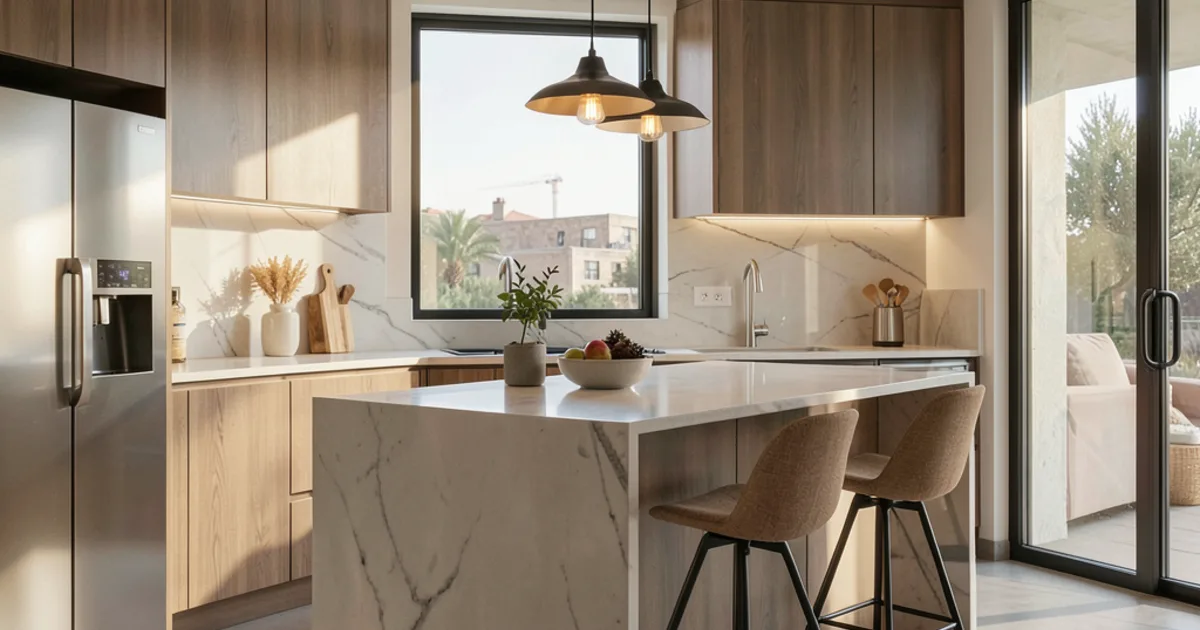
The landscape of luxury real estate in Israel is undergoing a profound transformation as digital innovation meets architectural excellence. From sprawling seaside villas in Herzliya to ultra-modern penthouses in the heart of Tel Aviv, technology is no longer an optional extra but a fundamental component of the modern estate. This integration enhances security, optimizes comfort, and streamlines the management of complex residential environments. For the discerning homeowner, understanding these technological nuances is essential to making a sound investment in the Israeli market.
Quick answer: Modern Israeli luxury homes integrate smart home automation, high-performance energy systems, and advanced security technologies. These features enhance daily comfort, reduce operational costs, and ensure top-tier safety for residents.
- How is technology reshaping the luxury landscape in Israel?
- What are the core components of a high-end home automation system?
- How can security technology be integrated into large Mediterranean estates?
- Why is energy efficiency a critical tech consideration for Israeli villas?
- How is premium audio-visual technology deployed in luxury residences?
- What role does smart technology play in modern luxury kitchens?
- Why is robust digital infrastructure essential for smart luxury homes?
- How do technology installations affect the legal and financial aspects of property ownership?
- How does high-tech integration impact property valuation and resale?
- How can technology be seamlessly integrated with traditional Israeli architecture?
- What are the maintenance requirements for advanced home systems?
- How can homeowners future-proof their technology investments?
How is technology reshaping the luxury landscape in Israel?
The evolution of the Israeli luxury market has seen a shift from purely aesthetic considerations to a focus on integrated lifestyle experiences. In previous decades, luxury was defined by square footage and premium materials like Jerusalem stone or marble. Today, the definition has expanded to include how a home responds to the inhabitant's presence and needs. This shift is particularly evident in new builds where technology is woven into the very fabric of the structure.
In high-density luxury areas like Tel Aviv, technology is often used to maximize the utility of space and light. Smart glass and automated shading systems allow penthouse owners to manage privacy and solar heat gain with a single touch. This is crucial in the Mediterranean climate, where managing sunlight is both a comfort and a necessity. As a result, the modern Israeli luxury home is becoming a more reactive and intelligent environment.
Furthermore, the demand for seamless connectivity has driven developers to prioritize digital infrastructure during the initial planning stages. It is no longer sufficient to provide standard internet access; instead, luxury estates now require robust, enterprise-grade networks. This evolution ensures that even the most remote beachfront villas can support high-bandwidth activities without interruption. The result is a seamless blend of high-end design and high-speed functionality.
- Shift from aesthetic-only luxury to experiential luxury
- Integration of technology into the structural design phase
- Focus on environmental responsiveness in Mediterranean climates
What are the core components of a high-end home automation system?
At the heart of every modern luxury estate lies a centralized home automation system that acts as the brain of the residence. These systems go far beyond simple voice commands or smartphone apps; they provide a unified platform for controlling lighting, climate, and media. By integrating various protocols into a single interface, homeowners can create 'scenes' that adjust the entire environment instantly. For example, a 'Relax' scene might dim the lights, lower the shades, and activate a specific audio playlist.
Lighting control is perhaps the most impactful element of home automation in the Israeli context. Sophisticated systems allow for circadian rhythm lighting, which adjusts the color temperature of the home throughout the day to match natural sunlight. This not only enhances the aesthetic of the interior design but also contributes to the well-being of the residents. In large villas, this level of control is essential for managing the vast number of light sources across multiple floors.
Climate control integration is equally vital, especially when managing large, multi-zone properties. Smart HVAC systems can learn the patterns of the household, pre-cooling or heating specific rooms before they are occupied. This precision prevents the energy waste common in older, less sophisticated systems. When combined with automated window treatments, the system can proactively manage the thermal load of the home, ensuring comfort is maintained with minimal effort.
- Centralized control hubs for unified device management
- Circadian lighting to enhance biological well-being
- Multi-zone climate management for energy efficiency
How can security technology be integrated into large Mediterranean estates?
Security is a paramount concern for owners of high-value properties in Israel, and modern technology offers unprecedented levels of protection. Integration begins at the perimeter, where advanced sensors and intelligent surveillance can distinguish between wildlife and human intruders. These systems are often linked to a central monitoring station, providing peace of mind for owners traveling abroad. The goal is to create a multi-layered defense that is both highly effective and discreet.
Biometric access control is becoming a standard in many new luxury builds. Instead of traditional keys, which can be lost or duplicated, residents and staff can use fingerprint or facial recognition to access various parts of the estate. This provides a high level of security while offering the convenience of keyless entry. In large villas with multiple staff members, this allows for granular control over which areas are accessible to whom at any given time.
Smart surveillance extends beyond simple video recording to include proactive threat detection. AI-driven cameras can identify unusual behavior or unauthorized presence in restricted zones, sending real-time alerts to the homeowner's mobile device. This level of responsiveness is critical for protecting high-value assets and ensuring the safety of the family. When integrated with smart lighting, the system can even illuminate specific areas to deter potential intruders.
- AI-driven perimeter surveillance and threat detection
- Biometric access for secure, keyless entry
- Real-time mobile alerts for immediate response
Why is energy efficiency a critical tech consideration for Israeli villas?
The Israeli climate presents unique challenges for maintaining a comfortable and sustainable luxury home. High temperatures and intense sunlight can lead to significant energy consumption if not managed correctly. Modern luxury homes are increasingly incorporating smart energy management systems to mitigate these costs. These systems monitor energy usage in real-time and suggest optimizations to reduce the overall carbon footprint.
Solar technology is a cornerstone of sustainable luxury in Israel. Many high-end villas now feature integrated solar arrays that power everything from lighting to pool heating. Smart inverters and battery storage systems allow homeowners to store excess energy generated during the day for use at night. This not only provides energy independence but also aligns with the growing global trend toward eco-conscious living.
Smart shading is another essential component for managing the Mediterranean heat. Automated blinds and motorized shutters can be programmed to close during the hottest parts of the day, significantly reducing the load on air conditioning systems. This proactive approach to thermal management is much more efficient than reactive cooling. By integrating these shades with the home's weather sensors, the system can automatically adjust to changing conditions.
- Solar energy integration and smart battery storage
- Automated shading to manage thermal loads
- Real-time energy monitoring and optimization
How is premium audio-visual technology deployed in luxury residences?
High-fidelity audio and visual systems are central to the entertainment experience in a modern luxury home. In many penthouses, the goal is to achieve a 'hidden' aesthetic, where high-end speakers and screens are integrated into the architecture. Invisible speakers that sit behind the drywall allow for a seamless look without compromising on sound quality. This allows the homeowner to enjoy a premium acoustic experience without the visual clutter of traditional equipment.
Dedicated home cinema rooms are a staple of large-scale Israeli villas. These spaces are engineered with acoustic treatments, specialized lighting, and high-performance projection systems to mimic a professional theater. The integration of smart technology allows the entire room to transform at the touch of a button, adjusting the seating, lighting, and sound levels. This creates an immersive environment that is perfect for both private viewing and hosting guests.
Multi-room audio systems allow for a continuous soundscape throughout the entire estate. Whether hosting a large garden party or relaxing in a private suite, the ability to stream high-resolution audio to every corner of the home is a significant luxury. These systems are designed to be intuitive, allowing users to control different zones independently or synchronize them for a unified experience. The integration of high-speed networking ensures that even the most demanding audio files are played without lag.
- Invisible audio systems for seamless interior design
- Custom-engineered home cinema environments
- Multi-zone, high-resolution audio streaming
What role does smart technology play in modern luxury kitchens?
The kitchen in a luxury home is often the social heart of the residence, and technology is playing an increasing role in its functionality. Smart appliances, from ovens that can be controlled remotely to refrigerators that manage inventory, are becoming common in high-end builds. These devices are designed to integrate seamlessly with the home's broader automation system, allowing for a highly coordinated culinary experience. For the modern homeowner, this means more time spent entertaining and less time managing chores.
Temperature-controlled environments for wine and specialty food storage are essential for many luxury collectors. Advanced smart cellars allow owners to monitor humidity, temperature, and light exposure via their smartphones. Some systems even offer inventory management, notifying the owner when certain vintages are reaching their peak. This level of precision is critical for preserving the value and quality of high-end collections.
Smart kitchen technology also extends to the integration of professional-grade cooking equipment with intuitive interfaces. Induction cooktops with integrated sensors can precisely manage heat levels, while smart hoods can automatically adjust their suction based on the level of cooking activity. This level of automation ensures a professional-grade kitchen experience that is both efficient and easy to manage. It is the ultimate marriage of gourmet capability and digital convenience.
- IoT-enabled appliances for remote management
- Precision-controlled wine and food storage
- Automated culinary tools for professional performance
Why is robust digital infrastructure essential for smart luxury homes?
The performance of all smart home technologies is entirely dependent on the quality of the underlying digital infrastructure. Without a robust and well-planned network, even the most expensive automation systems will suffer from latency and connectivity issues. In large estates, a single Wi-Fi router is insufficient; instead, a sophisticated mesh network or a series of hardwired access points is required. This ensures seamless coverage from the basement to the rooftop terrace.
Fiber optic connectivity is the gold standard for luxury residences in Israel. It provides the high-speed, low-latency bandwidth necessary to support multiple simultaneous high-bandwidth activities, such as 8K streaming, video conferencing, and advanced security monitoring. Developers of new luxury builds are increasingly ensuring that fiber-to-the-home is a standard feature. This foresight prevents the need for disruptive upgrades as digital demands continue to grow.
Structured cabling is another critical element that is often overlooked during initial renovations. For a truly reliable smart home, many critical components should be hardwired rather than relying solely on wireless protocols. This includes security cameras, media players, and primary control hubs. A well-designed cabling plan provides the backbone for a stable, high-performance ecosystem that can scale as new technologies emerge.
- Enterprise-grade mesh networks for total coverage
- Fiber-to-the-home for high-bandwidth demands
- Structured cabling for system stability and reliability
How do technology installations affect the legal and financial aspects of property ownership?
When acquiring a luxury property with significant technological integration, the legal framework becomes increasingly important. It is vital that all permanent technological installations are clearly defined within the binding memorandum (Heskem Mahur) during the purchase process. This ensures that there is no ambiguity regarding what is included in the sale, particularly when dealing with custom-built automation or integrated AV systems. Clear documentation protects the buyer's interests and prevents future disputes.
From a tax perspective, the inclusion of high-end technology can influence the calculation of Mas Rekhisha (purchase tax). Since the tax is based on the assessed value of the property, substantial technological additions that are considered permanent fixtures must be accounted for correctly. When it eventually comes time to sell the property, the owner must also consider how these improvements affect the calculation of Mas Shevah (capital gains tax). A well-documented history of technological upgrades can be a key factor in justifying the property's increased value.
Financially, securing a Mashkanta (mortgage) for a highly specialized luxury home requires careful planning and professional valuation. Lenders will evaluate the property based on its appraised value, and having a valuation that recognizes the sophisticated tech infrastructure is highly beneficial. Additionally, while technology itself does not typically change the municipal Arnona (property tax) rate, the efficiency of these systems can significantly impact the ongoing cost of living in a large estate. Owners should view tech integration as both a lifestyle enhancement and a strategic asset management tool.
- Importance of defining tech in the binding memorandum
- Impact of permanent fixtures on Mas Rekhisha and Mas Shevah
- Considerations for Mashkanta and property valuation
How does high-tech integration impact property valuation and resale?
In the competitive luxury real estate market, technology is a significant driver of property valuation. Homes that are 'tech-ready' or come with fully integrated, high-end systems often command a notable premium compared to traditional properties. Buyers in the luxury segment are increasingly looking for homes that offer immediate convenience and modern functionality. A property that requires extensive technological retrofitting may be seen as a liability rather than an asset.
The impact on resale value is also influenced by the quality and scalability of the installed technology. Systems that are built on open-standard protocols and are easily upgradable are much more attractive to future owners. Conversely, proprietary systems that are difficult to maintain or update can actually decrease a property's marketability. Therefore, investing in high-quality, modular technology is a strategic move for long-term capital appreciation.
Furthermore, the presence of advanced security and energy-efficient systems can significantly broaden the pool of potential buyers. As global trends move toward sustainability and heightened security needs, these features become highly desirable. A home that is both environmentally responsible and technologically sophisticated is positioned to remain relevant in the luxury market for many years. This makes technology a vital component of a successful real estate investment strategy in Israel.
- Premium pricing for tech-ready luxury properties
- Scalability as a key factor in resale value
- Alignment with global trends in sustainability and security
How can technology be seamlessly integrated with traditional Israeli architecture?
A common challenge in luxury real estate is integrating modern technology with traditional architectural styles, such as those using Jerusalem stone or classic Mediterranean courtyard designs. The goal is to enhance the home without compromising its aesthetic integrity. This is often achieved through the use of 'invisible' technology, where devices are hidden within custom cabinetry or integrated into the structural elements of the building. For example, smart sensors can be recessed into stone walls to maintain a clean, uninterrupted look.
In villa designs that emphasize indoor-outdoor living, technology can act as a bridge between the two environments. Automated glass walls that slide into pockets, integrated outdoor audio, and smart pool management systems allow the exterior spaces to feel like a natural extension of the interior. This seamless transition is a hallmark of high-end Israeli design. By using technology to manage these transitions, homeowners can enjoy a more cohesive living experience.
Smart lighting is another tool that can be used to highlight architectural features without the need for visible fixtures. Recessed lighting and integrated LED strips can emphasize the textures of stone facades or the geometry of a modern ceiling. This allows the architecture to speak for itself while providing the necessary illumination. When done correctly, technology becomes a silent partner in the architectural expression of the home.
- Using 'invisible' tech to preserve architectural aesthetics
- Enhancing indoor-outdoor living with smart transitions
- Architectural highlighting through integrated lighting
What are the maintenance requirements for advanced home systems?
Owning a technologically advanced luxury estate comes with the responsibility of ongoing maintenance and system management. Unlike traditional homes, smart residences require periodic software updates, hardware checks, and network optimizations to ensure peak performance. Neglecting these tasks can lead to system lag, security vulnerabilities, or even complete failure of certain automated functions. It is essential to view technology as a living system that requires regular attention.
Many luxury homeowners choose to engage professional service providers to manage their home automation ecosystems. These specialists can provide preventative maintenance, troubleshoot issues remotely, and ensure that all components are running the latest, most secure firmware. For large estates, having a dedicated technician or a service contract is often a necessity rather than a luxury. This proactive approach prevents minor technical glitches from becoming major disruptions to the household.
It is also important to consider the lifecycle of the hardware itself. While the core infrastructure like cabling may last for decades, individual devices like tablets, cameras, and smart appliances will eventually need replacement. A well-managed home includes a long-term technology roadmap that accounts for these inevitable upgrades. By planning for the replacement cycles of various components, homeowners can avoid sudden, large-scale capital expenditures.
- Necessity of regular software and hardware maintenance
- Benefits of professional service contracts
- Long-term planning for hardware lifecycle management
How can homeowners future-proof their technology investments?
Future-proofing is the practice of designing a home's technology infrastructure so that it can easily adapt to upcoming innovations. The most effective way to achieve this is by prioritizing modularity and interoperability. Instead of purchasing a suite of products that only work within a closed ecosystem, homeowners should look for systems that use industry-standard protocols. This allows for the easy addition of new devices from different manufacturers as they become available.
Investing in superior physical infrastructure is the most critical step in future-proofing. A home with high-quality, abundant cabling and a robust fiber-optic backbone will be able to support much higher data demands in the future than a home that relies solely on wireless connections. Think of the cabling as the foundation of the house; while it may not be visible, its quality determines the limits of what can be built upon it. Over-specifying the network capacity today is a highly prudent investment for tomorrow.
Finally, homeowners should focus on centralized control hubs rather than a collection of standalone gadgets. A centralized system provides a single point of management and ensures that all devices can communicate with one another. This unified approach makes it much easier to manage the home's complexity and ensures that the technology remains a source of convenience rather than frustration. By focusing on these core principles, owners can ensure their luxury estate remains at the cutting edge for years to come.
- Prioritizing modularity and open-standard protocols
- Over-specifying physical network infrastructure
- Focusing on centralized rather than fragmented control
FAQ
How does smart technology impact property taxes in Israel?
Smart technology itself does not typically change the municipal Arnona rate. However, if the technology is part of a permanent structural installation, it may increase the overall assessed value of the property, which can influence the Mas Rekhisha (purchase tax) paid at the time of sale.
Is it better to install smart home technology during construction or after?
It is significantly more efficient and cost-effective to integrate technology during the initial construction phase. This allows for essential components like structured cabling and recessed lighting to be built into the walls and ceilings, avoiding the need for expensive and disruptive renovations later.
How secure are smart home systems against hacking?
When properly configured with enterprise-grade security, advanced smart home systems are highly secure. Using robust encryption, multi-factor authentication, and regular firmware updates from reputable providers minimizes vulnerabilities and protects the privacy of the residents.
Does smart technology increase the resale value of a villa?
Yes, high-end technological integration is a significant value driver in the luxury market. Properties that are equipped with modern automation, advanced security, and energy-efficient systems are often more desirable to high-net-worth buyers and can command a notable premium.
What should I look for in a smart home service provider?
Look for providers who specialize in high-end residential integration and offer long-term maintenance contracts. It is important to choose a company that uses open-standard protocols and has a proven track record of managing complex, large-scale luxury estates.
Get your personalised shortlist
Listings and up-to-date info, straight to your inbox, free, no obligation.
See luxury homes →