What are the common mistakes foreign buyers make when negotiating the price of a luxury seafront estate in Netanya?
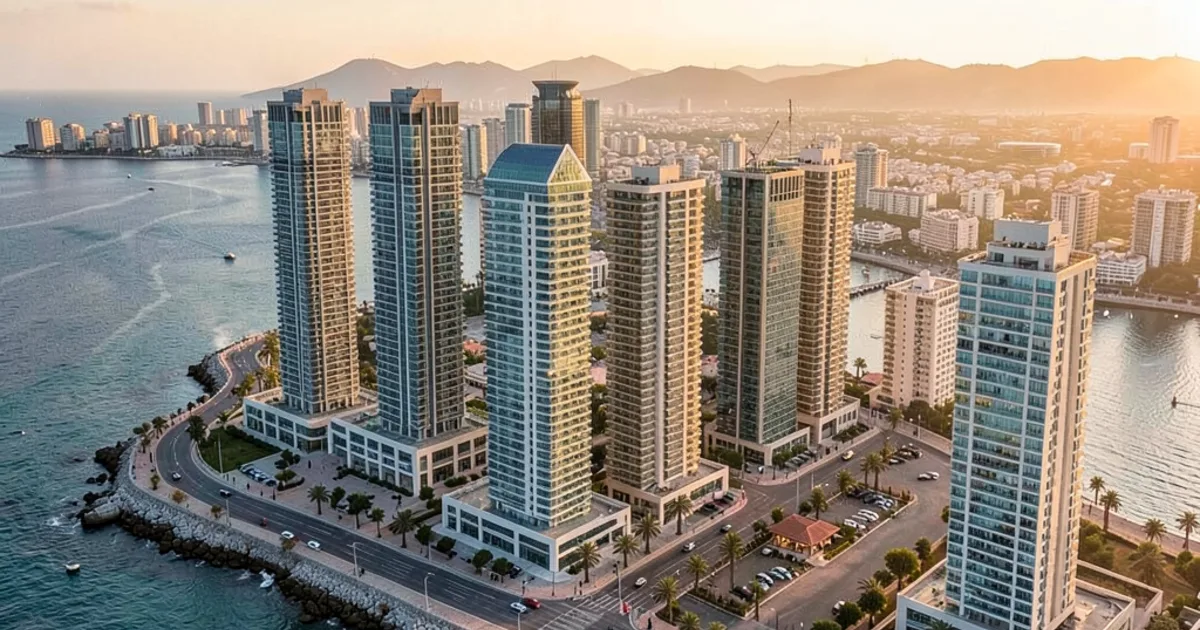
Netanya's pristine coastline, vibrant atmosphere, and burgeoning luxury real estate market make it an exceptionally attractive destination for foreign buyers seeking an opulent seafront residence. However, the allure of a stunning penthouse or a sprawling villa overlooking the Mediterranean can sometimes overshadow the intricate nuances of the Israeli property market, particularly during the critical phase of price negotiation. For international purchasers, a series of common missteps can lead to overpaying, encountering unexpected legal hurdles, or experiencing significant frustration. This comprehensive guide from LuxuryHomesIsrael aims to illuminate these pitfalls, offering actionable advice to ensure a shrewd and successful acquisition of your dream luxury property in Netanya.
- Why is understanding the local market dynamics crucial for foreign buyers in Netanya?
- What are the pitfalls of neglecting comprehensive legal due diligence before negotiation?
- How do foreign buyers often misinterpret Israeli negotiation culture and etiquette?
- What are the tax implications foreign buyers frequently overlook in Netanya property negotiations?
- Why is it a mistake to underestimate the importance of an independent property valuation?
- What are the common errors related to financing and currency exchange for foreign buyers?
- How does overlooking the 'binding memorandum' (Zichron Devarim) impact foreign buyers?
- What are the dangers of neglecting expert advice on renovation and property management for luxury seafront estates?
- How does a lack of cultural integration and language skills hinder foreign buyers?
- What are the risks of ignoring the surrounding community and long-term development plans in Netanya?
Why is understanding the local market dynamics crucial for foreign buyers in Netanya?
Many foreign buyers approach the Netanya luxury market with assumptions based on their home countries' real estate environments. This often leads to a misinterpretation of property valuations, market trends, and the underlying factors influencing pricing. Unlike some global markets, Israeli property values, especially for prime seafront locations, are a complex interplay of demand from both local and international high-net-worth individuals, limited supply of premium land, and specific economic indicators.
A failure to thoroughly research recent comparable sales (comps) for similar luxury seafront properties, whether a new build penthouse or a renovated villa, can result in offering too much or too little, either losing out on a desirable property or significantly overpaying. Understanding the specific micro-markets within Netanya, such as the sought-after areas near the promenade or those offering direct beach access, is paramount. Each locale within Netanya can command different premium levels.
Furthermore, the pace of the Israeli market can be different from what foreign buyers are accustomed to. While negotiation is expected, overly aggressive or protracted negotiations in a fast-moving segment can lead to sellers losing patience and moving on to other offers. Conversely, a lack of due diligence on market conditions can mean missing opportunities to secure a fair price when the market is softer. Engaging with experienced local real estate professionals who possess deep insights into Netanya's luxury segment is an indispensable first step.
What are the pitfalls of neglecting comprehensive legal due diligence before negotiation?
A significant mistake foreign buyers often make is to focus solely on the aesthetics and price of a luxury property without first conducting exhaustive legal due diligence. This oversight can lead to discovering costly issues after a binding memorandum (Zichron Devarim) or even a full contract has been signed. Key legal aspects unique to Israel, such as the 'Tabu' (Land Registry) registration, require meticulous verification to ensure clear title and ownership.
Issues like unregistered easements, building code violations (especially common in older, renovated seafront villas), or disputes over shared property elements in a luxury condominium building can emerge later, potentially diminishing the property's value or incurring substantial legal and renovation costs. Furthermore, understanding the specific zoning regulations for a given seafront plot is critical, particularly for buyers considering future expansion or reconstruction of a villa.
Foreign buyers must also be acutely aware of potential liens or encumbrances on the property, which a thorough review of the Tabu extract by an independent Israeli lawyer will reveal. Neglecting this crucial step, perhaps in an eagerness to close a deal, can transform a dream purchase into a protracted legal nightmare. An experienced local attorney specializing in real estate is not an expense but an essential investment for peace of mind and financial security.
How do foreign buyers often misinterpret Israeli negotiation culture and etiquette?
Israeli negotiation culture, particularly in high-value transactions like luxury real estate, differs considerably from many Western norms. Foreign buyers often err by either being too timid or too aggressive, misjudging the seller's motivations and the fluidity of the negotiation process. Israelis generally appreciate directness and a clear understanding of intent, but also expect a degree of back-and-forth, often involving multiple rounds.
A common misstep is to make an initial offer that is either insultingly low or unrealistically high, without sufficient justification. Sellers of luxury properties in Netanya are often sophisticated individuals who expect a well-reasoned offer, backed by market understanding, rather than a speculative bid. Rushing the process or showing excessive impatience can also be counterproductive, as sellers may perceive it as a lack of serious commitment or an attempt to pressure them unfairly.
Conversely, some foreign buyers might be too polite or hesitant to push for better terms, leaving money on the table. The key is to be firm, respectful, and well-informed, allowing for a dynamic exchange while clearly articulating your position. Engaging a local real estate agent who understands these cultural nuances can be invaluable, acting as a bridge and interpreter of unspoken signals during the negotiation.
What are the tax implications foreign buyers frequently overlook in Netanya property negotiations?
One of the most significant financial oversights for foreign buyers is failing to fully account for the various Israeli taxes associated with property acquisition and ownership. These taxes can substantially impact the overall cost of a luxury seafront estate in Netanya and must be factored into the negotiation strategy from the outset. The primary tax for buyers is 'Mas Rekhisha' (Purchase Tax), which is progressive and can be considerably higher for non-residents and for properties beyond a certain value threshold.
Many foreign buyers are surprised by the magnitude of this tax, as it can represent a substantial percentage of the property's value, particularly for high-end luxury homes. Failing to budget for this adequately can lead to a significant strain on financial resources or even the inability to complete the purchase. It's crucial to obtain precise estimations from an Israeli tax advisor early in the process, as this will directly influence your maximum offer price.
Furthermore, ongoing property taxes like 'Arnona' (municipal tax) and potential future 'Mas Shevah' (Capital Gains Tax) should also be understood. While Mas Shevah primarily affects the seller, its implications, especially if you plan to sell in the future, might subtly influence your long-term investment strategy. Overlooking these tax burdens during initial price discussions is a common mistake that can lead to significant financial discomfort post-purchase. Always consult with a qualified Israeli tax expert.
Why is it a mistake to underestimate the importance of an independent property valuation?
Foreign buyers, particularly when purchasing a new luxury build or a property with unique features like direct beach access, sometimes rely solely on the seller's asking price or their agent's assessment. This can be a costly mistake. An independent property valuation by a certified Israeli appraiser ('Shamai Mekarkain') provides an objective, professional assessment of the property's true market value.
The appraiser considers a multitude of factors specific to the Israeli market, including Tabu registration details, building permits, structural integrity, specific finishes, location within Netanya, and recent comparable sales. For a luxury seafront property, elements like the view, proximity to amenities, and the quality of construction (for a new build penthouse) are heavily weighted. Without this independent assessment, buyers are negotiating in the dark, lacking a robust benchmark for their offers.
An independent valuation not only helps in presenting a well-justified offer but also serves as a crucial risk mitigation tool. It can uncover discrepancies in the property's stated size, identify potential structural issues, or highlight overvaluation, providing powerful leverage in negotiations. Skipping this step, perhaps to save on initial costs, often proves to be a false economy, leading to potential overpayment or overlooked defects.
What are the common errors related to financing and currency exchange for foreign buyers?
Securing financing in Israel as a foreign buyer can be more complex than in one's home country, and underestimating this complexity is a frequent mistake. Many international buyers assume they can easily obtain a 'Mashkanta' (mortgage) from an Israeli bank without fully understanding the requirements, which often include a higher down payment for non-residents and stringent income verification processes. Beginning the property search without pre-approval or a clear understanding of financing options can lead to delays or even the collapse of a deal.
Another critical error is neglecting the impact of currency exchange rate fluctuations. Luxury properties in Netanya are typically priced in New Israeli Shekels (NIS), and significant currency movements between the buyer's home currency and the NIS can dramatically alter the effective purchase price. Foreign buyers sometimes fail to hedge against this risk or to secure favorable exchange rates at critical junctures.
Furthermore, not factoring in the costs associated with international money transfers, bank fees, and potential delays can add unexpected expenses and stress. It is crucial to engage with financial advisors specializing in international transactions and to establish a clear financial strategy well before making an offer. This includes understanding the timeline for funds transfer and the associated compliance requirements for large international sums.
How does overlooking the 'binding memorandum' (Zichron Devarim) impact foreign buyers?
In Israel, particularly in a fast-paced market, it is common practice to sign a 'Zichron Devarim' (Memorandum of Understanding or Binding Memorandum) after an offer is accepted but before the full, detailed contract is drafted. Foreign buyers often underestimate the legal weight and implications of this document, treating it as a non-binding preliminary agreement. This is a significant mistake, as a properly drafted Zichron Devarim can be legally binding and enforceable.
The Zichron Devarim typically outlines the key terms of the sale, including the property address, agreed-upon price, payment schedule, and target date for signing the full contract. Signing such a document without prior legal review by an independent Israeli attorney can inadvertently commit the buyer to unfavorable terms or overlook critical contingencies that would normally be included in a comprehensive contract. It can also create a binding obligation to purchase, even if further due diligence uncovers undesirable issues.
Buyers must understand that once a Zichron Devarim is signed, backing out without valid legal grounds can result in penalties, including forfeiture of any deposit or even legal action for specific performance. It is imperative that foreign buyers engage their Israeli legal counsel to review and, if necessary, draft any Zichron Devarim, ensuring it protects their interests and includes all necessary escape clauses or conditions precedent before committing.
What are the dangers of neglecting expert advice on renovation and property management for luxury seafront estates?
Many foreign buyers are captivated by the potential of a luxury seafront villa or penthouse, especially if it requires some renovation, without fully understanding the complexities and costs involved in Israel. Underestimating renovation budgets and timelines is a common mistake. Israeli construction costs, particularly for high-end finishes and specialized seafront considerations (like salt corrosion resistance), can differ significantly from other countries. Furthermore, navigating local building permits and regulations can be a bureaucratic challenge.
Another oversight is neglecting the long-term property management needs of a luxury seafront estate. For a property that may not be a primary residence, effective management is crucial. This includes maintenance for sea-facing properties (e.g., rust prevention, window cleaning), security, utilities, and potentially rental management. Foreign buyers often fail to research and secure reliable, professional management services before the purchase is complete.
Without expert advice on both renovation and ongoing management, buyers can face unexpected expenses, delays, and logistical headaches, diminishing the enjoyment and potential return on their luxury investment. Consulting with reputable Israeli architects, contractors, and property management firms specializing in high-end properties in Netanya is essential to ensure the property remains a valuable asset and a hassle-free retreat.
How does a lack of cultural integration and language skills hinder foreign buyers?
While not directly a negotiation tactic, a lack of effort in understanding Israeli culture and, where possible, acquiring some basic Hebrew language skills, can indirectly hinder a foreign buyer's success. Israelis generally appreciate genuine attempts at cultural engagement. Showing respect for local customs and demonstrating an interest in the community of Netanya can foster goodwill, which can subtly influence interactions with sellers and local professionals.
Language barriers, even with the prevalence of English, can lead to misunderstandings in complex negotiations, especially regarding legal and financial terminology. While professional interpreters are available, having even a rudimentary grasp of Hebrew, or at least showing an openness to learn, can facilitate smoother communication and build rapport. This is particularly true when dealing with local service providers or community members after the purchase.
Furthermore, integrating into the local expatriate or 'Olim' (immigrant) community in Netanya can provide invaluable informal advice and support. Neglecting this aspect can leave foreign buyers feeling isolated and less informed about local practices, which can indirectly affect their confidence and effectiveness during the negotiation and subsequent ownership phases. Investing in an 'Ulpan' (Hebrew language school) or engaging with local cultural groups can be a beneficial long-term strategy.
What are the risks of ignoring the surrounding community and long-term development plans in Netanya?
Foreign buyers often focus intently on the specific luxury property itself, overlooking the broader context of the surrounding community and Netanya's long-term urban development plans. While a seafront estate offers exclusivity, its value and enjoyment are intrinsically linked to the neighborhood. Failing to research local amenities, infrastructure projects, and the character of the immediate vicinity can lead to surprises post-purchase.
For instance, future municipal plans for new construction, changes to public beach access, or the development of commercial zones near a residential luxury area could significantly impact property values or lifestyle. A beautiful view from a penthouse could be obstructed by a future high-rise, or a quiet villa neighborhood could become busier due to new infrastructure. These factors should be investigated during due diligence.
Understanding the demographics of the area, local services, and the overall trajectory of Netanya's growth is crucial for a long-term investment. Engaging with local residents, community groups, and reviewing municipal planning documents can provide insights that online research alone might miss. A luxury property is not an island; its value and appeal are deeply intertwined with its environment, and neglecting this broader perspective is a common, yet avoidable, mistake.
FAQ
Is it always necessary to use an Israeli real estate lawyer for a luxury property purchase?
Absolutely. An independent Israeli real estate lawyer is indispensable to navigate the complex local laws, conduct thorough Tabu due diligence, review all contracts, and protect your interests throughout the entire purchasing process, from memorandum to final registration.
How much higher is the purchase tax (Mas Rekhisha) for foreign buyers of luxury properties in Netanya?
The purchase tax for foreign buyers of luxury properties is generally higher than for Israeli residents, and it is structured progressively based on the property's value. There are specific thresholds and rates that apply, making it crucial to consult a tax advisor for a precise calculation based on your individual circumstances and the property's price.
Should I get a mortgage from an Israeli bank as a foreign buyer?
While possible, securing a 'Mashkanta' (mortgage) from an Israeli bank as a foreign buyer often involves higher down payment requirements and stricter criteria than for residents. It's advisable to explore all financing options, including international banks, and weigh the pros and cons with a financial advisor before committing.
What is a 'Zichron Devarim' and why is it so important for foreign buyers?
A 'Zichron Devarim' is a binding memorandum outlining key sale terms before the full contract. For foreign buyers, it's crucial because it can be legally enforceable, so it must be reviewed by an independent Israeli attorney to ensure it protects your interests and includes necessary contingencies before signing.
Get your personalised shortlist
Listings and up-to-date info, straight to your inbox, free, no obligation.
See luxury homes →