What are the energy efficiency standards and green features to look for in a new luxury build in the Sharon region?
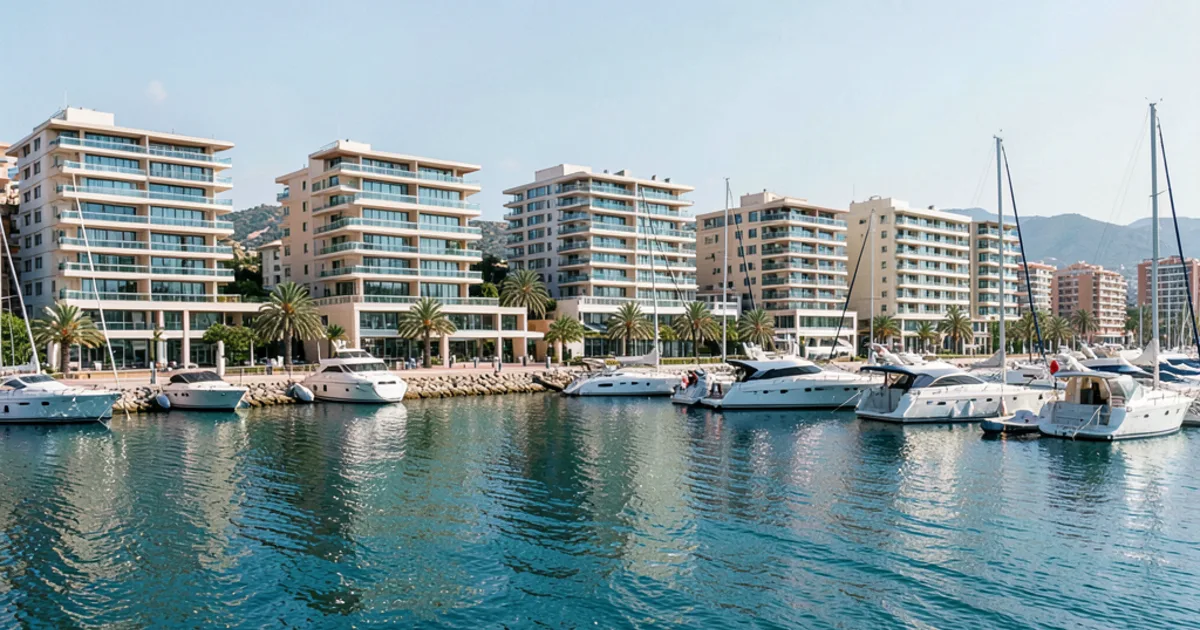
The pursuit of luxury in real estate today extends far beyond opulent finishes and prime locations; it increasingly encompasses a commitment to environmental responsibility and long-term sustainability. For discerning buyers eyeing a new luxury build in Israel's prestigious Sharon region, a landscape celebrated for its stunning coastlines, vibrant communities, and serene landscapes, understanding energy efficiency standards and integrated green features is paramount. This comprehensive guide from LuxuryHomesIsrael aims to illuminate the critical aspects of sustainable construction, providing a detailed roadmap for evaluating properties that promise both unparalleled comfort and a reduced environmental footprint.
- Why is Energy Efficiency Crucial for New Luxury Builds in the Sharon Region?
- Understanding Israeli Green Building Standards (IS 5281)
- Passive Design Strategies: The Foundation of Sustainable Luxury
- Advanced HVAC Systems and Smart Climate Control
- Renewable Energy Integration: Solar Power and Geothermal Options
- Water Conservation Technologies and Landscape Design
- Sustainable Materials and Healthy Indoor Environments
- Smart Home Technology for Enhanced Efficiency and Comfort
- Certifications and Professional Expertise: Your Assurance of Quality
- Financial Benefits and Long-Term Value Proposition
- Navigating the Purchase Process for a Green Luxury Home
- The Future of Sustainable Luxury in the Sharon Region
Why is Energy Efficiency Crucial for New Luxury Builds in the Sharon Region?
In a region known for its warm summers and increasing electricity costs, energy efficiency is not merely an environmental statement but a significant financial consideration for luxury homeowners. A well-designed, energy-efficient property drastically reduces operational expenses, making it a more attractive and sustainable investment over time. Furthermore, the robust infrastructure required for luxury amenities, from expansive swimming pools to state-of-the-art climate control systems, can consume substantial energy if not meticulously planned with sustainability in mind.
Beyond the immediate financial benefits, an energy-efficient luxury home contributes positively to the homeowner's lifestyle and well-being. Superior insulation, advanced ventilation systems, and intelligent climate control create a consistently comfortable indoor environment, irrespective of external weather fluctuations. This translates into a more serene and enjoyable living experience, free from the worries of fluctuating temperatures or excessive utility bills.
From a broader perspective, embracing energy efficiency aligns with global trends toward sustainable development and responsible luxury. Owning a green-certified luxury home in the Sharon region enhances its market value and appeal, distinguishing it as a forward-thinking investment. It reflects a commitment to protecting the natural beauty of Israel, a value increasingly cherished by affluent buyers who seek to integrate their personal ethics with their property choices.
Understanding Israeli Green Building Standards (IS 5281)
Israel's commitment to sustainable construction is formalized through the Israeli Standard 5281 (IS 5281), which provides a comprehensive framework for green building. This standard covers various categories, including energy, water, materials, waste, health, and environmental management. For a new luxury build in the Sharon region to be genuinely considered 'green,' adherence to or exceeding these standards is a critical indicator of quality and environmental consciousness.
Prospective buyers should inquire about a property's specific IS 5281 rating or its developer's intent to achieve one. The standard is tiered, with higher ratings indicating a greater commitment to sustainability. Achieving a high rating requires meticulous planning from the architectural design phase through construction and material selection, ensuring that every element contributes to the overall environmental performance of the building.
While IS 5281 is a voluntary standard for private residences, its principles are increasingly adopted by reputable luxury developers who understand the market demand for sustainable homes. A property built according to these guidelines offers tangible benefits such as lower energy consumption, improved indoor air quality, and reduced water usage, all contributing to a healthier and more cost-effective living environment for the luxury homeowner.
Passive Design Strategies: The Foundation of Sustainable Luxury
The most effective energy-saving measures often begin with passive design strategies, which leverage natural elements to minimize energy consumption without relying on mechanical systems. For luxury homes in the Sharon region, this includes optimizing building orientation to maximize natural light and ventilation while minimizing direct solar gain during peak heat hours. Thoughtful placement of windows and shading elements can dramatically impact indoor temperatures and lighting needs.
High-performance thermal envelopes are another cornerstone of passive design. This involves superior insulation for walls, roofs, and floors, alongside high-quality, thermally broken windows and doors. These elements work in concert to prevent heat transfer, keeping interiors cool in summer and warm in winter, thereby reducing the reliance on air conditioning and heating systems. The choice of materials also plays a significant role, with developers opting for those with excellent thermal mass properties.
Natural ventilation strategies, such as cross-ventilation and stack effect ventilation, are particularly effective in the Sharon region's climate. Designing spaces to allow for natural airflow can significantly reduce the need for mechanical cooling. This often involves strategic window placement, internal courtyards, and even specialized architectural features that facilitate air movement, enhancing comfort and reducing energy use in a truly elegant manner.
Advanced HVAC Systems and Smart Climate Control
Beyond passive design, state-of-the-art Heating, Ventilation, and Air Conditioning (HVAC) systems are essential for maintaining optimal comfort in luxury homes. Look for properties equipped with highly efficient Variable Refrigerant Flow (VRF) or inverter-driven multi-split systems. These systems can precisely control temperatures in different zones of the house, operating only at the capacity needed, leading to significant energy savings compared to conventional units.
Integrated smart home automation systems elevate climate control to an art form. These systems allow homeowners to monitor and adjust temperatures remotely, schedule climate settings based on occupancy patterns, and even learn preferences over time. Features like occupancy sensors, linkage to external weather data, and predictive algorithms ensure that energy is never wasted on conditioning unoccupied spaces or fighting against external conditions unnecessarily.
Consider also the integration of energy recovery ventilation (ERV) systems. These units exchange heat and moisture between incoming fresh air and outgoing stale air, pre-conditioning the fresh air and reducing the energy load on the HVAC system. This not only improves energy efficiency but also enhances indoor air quality, a crucial aspect for a healthy luxury living environment.
Renewable Energy Integration: Solar Power and Geothermal Options
The abundant sunshine in the Sharon region makes solar energy an exceptionally viable and attractive green feature for luxury homes. Photovoltaic (PV) solar panels, seamlessly integrated into the roofline or as architectural elements, can generate a substantial portion, if not all, of a home's electricity needs. Modern solar solutions are increasingly aesthetically pleasing, blending harmoniously with high-end architectural designs, and some even offer battery storage solutions for enhanced energy independence.
While less common than solar, geothermal heat pump systems represent another sophisticated renewable energy option for heating and cooling. These systems leverage the stable temperature of the earth a few meters below the surface to provide highly efficient climate control. Although the initial investment can be higher, geothermal systems offer remarkable long-term energy savings and a significantly reduced carbon footprint, aligning perfectly with the ethos of sustainable luxury.
For new luxury builds, inquire about the 'readiness' for renewable energy integration, even if not fully installed. This includes pre-wiring for solar panels, designated space for battery storage, or the groundwork for geothermal loops. Such foresight indicates a developer's commitment to future-proofing the property and offering homeowners the flexibility to adopt advanced green technologies down the line.
Water Conservation Technologies and Landscape Design
Water scarcity is a significant concern in Israel, making water efficiency a critical component of any sustainable luxury home in the Sharon region. Look for properties that incorporate advanced water-saving fixtures, such as low-flow toilets, showerheads, and faucets, without compromising on water pressure or the luxury experience. Rainwater harvesting systems, which collect and store rainwater for irrigation or non-potable uses, are also highly desirable.
Greywater recycling systems, which treat and reuse water from sinks, showers, and laundry for irrigation or toilet flushing, represent a more advanced level of water conservation. While requiring careful planning and installation, these systems can significantly reduce a home's reliance on municipal water supplies, contributing to both environmental stewardship and lower utility bills. Developers committed to true sustainability often integrate such sophisticated solutions.
Landscape design plays a crucial role in water conservation. Xeriscaping, which utilizes drought-tolerant native plants, minimizes the need for irrigation while enhancing the natural beauty of the property. Smart irrigation systems, equipped with rain sensors and weather-based controllers, ensure that water is applied only when and where it's needed, preventing wasteful overwatering. For luxury properties with pools, inquire about efficient filtration systems and covers to minimize evaporation.
- Low-flow fixtures (toilets, showerheads, faucets)
- Rainwater harvesting systems for irrigation
- Greywater recycling for non-potable uses
- Drought-tolerant landscaping (Xeriscaping)
- Smart irrigation systems with weather sensors
- Efficient pool filtration and covers
Sustainable Materials and Healthy Indoor Environments
The choice of building materials has a profound impact on a home's environmental footprint and the health of its occupants. Sustainable luxury builds prioritize materials that are locally sourced to reduce transportation emissions, recycled content, rapidly renewable, or low in volatile organic compounds (VOCs). This includes everything from structural components to paints, finishes, and flooring, ensuring a healthier indoor air quality.
For luxury properties, the emphasis is often on natural and durable materials that offer both aesthetic appeal and environmental benefits. Examples include certified sustainable timber, natural stone, recycled glass, and insulation made from recycled content. Developers committed to green building will provide transparency regarding their material sourcing and selection processes, often favoring suppliers with robust environmental certifications.
Beyond materials, thoughtful ventilation strategies are crucial for maintaining a healthy indoor environment. This includes not only the ERV systems mentioned earlier but also careful design to prevent moisture buildup, which can lead to mold and mildew. Natural light optimization also contributes to well-being, reducing the need for artificial lighting and connecting occupants with the outdoors.
- Locally sourced materials to reduce transport emissions
- Materials with recycled content (e.g., recycled steel, glass)
- Rapidly renewable resources (e.g., bamboo, cork)
- Low VOC paints, adhesives, and finishes
- Certified sustainable timber products
- Natural stone and other durable, eco-friendly options
Smart Home Technology for Enhanced Efficiency and Comfort
Modern luxury homes in the Sharon region are increasingly integrating advanced smart home technology not just for convenience, but also as a powerful tool for energy management. Centralized control systems allow homeowners to monitor and manage lighting, climate, security, and entertainment from a single interface, often accessible remotely via smartphone or tablet. This level of control empowers residents to optimize energy usage to their lifestyle.
Automated lighting systems with occupancy sensors and daylight harvesting capabilities can significantly reduce electricity consumption. These systems dim or turn off lights automatically when spaces are unoccupied or when sufficient natural light is available. Similarly, automated shading systems, such as smart blinds or awnings, can respond to sunlight intensity to reduce heat gain and glare, further contributing to climate control efficiency.
The true power of smart home technology lies in its ability to learn and adapt. AI-powered systems can analyze energy consumption patterns, external weather data, and homeowner preferences to make proactive adjustments, ensuring optimal comfort with minimal energy waste. For luxury homeowners, this translates to effortless efficiency and peace of mind, knowing their home is intelligently managing its resources.
Certifications and Professional Expertise: Your Assurance of Quality
When investing in a new luxury build, especially one touted for its green features, certifications provide an independent verification of its environmental performance. Beyond Israel's IS 5281, international certifications like LEED (Leadership in Energy and Environmental Design) or BREEAM (Building Research Establishment Environmental Assessment Method) are highly respected and indicate a global standard of sustainability. Inquiring about a property's certified status or the developer's commitment to achieving one offers a level of assurance.
The expertise of the design and construction team is equally critical. Look for developers, architects, and contractors who specialize in green building and have a proven track record of delivering high-performance, sustainable homes. Their experience will be reflected in the meticulous attention to detail, innovative solutions, and the seamless integration of complex green technologies into the luxury aesthetic.
It is advisable to engage an independent expert, such as a green building consultant or energy auditor, during the due diligence phase. This professional can review the property's specifications, energy models, and proposed green features to ensure they meet the promised standards and align with your sustainability goals. This extra layer of scrutiny provides invaluable peace of mind for a significant investment.
Financial Benefits and Long-Term Value Proposition
While the initial investment in a green luxury home might sometimes be marginally higher, the long-term financial benefits are substantial. Reduced utility bills for electricity, water, and heating/cooling represent significant savings over the lifespan of the property. Furthermore, some municipalities or government programs may offer incentives or tax benefits for certified green homes, though these can vary and should be investigated with local authorities.
The resale value of a green-certified luxury home in the Sharon region is also a compelling factor. As environmental awareness grows and energy costs rise, properties with proven energy efficiency and sustainable features become increasingly desirable to a broader market of discerning buyers. This enhanced marketability can lead to a quicker sale and a higher return on investment compared to conventional luxury homes.
Beyond direct financial gains, a green luxury home offers intangible benefits that contribute to its overall value. These include a healthier indoor environment, enhanced comfort, and the satisfaction of living in a home that aligns with responsible environmental stewardship. These factors contribute to a superior quality of life, making the investment in a sustainable luxury build a truly holistic one.
Navigating the Purchase Process for a Green Luxury Home
When purchasing a new luxury build in the Sharon region, particularly one emphasizing green features, the due diligence process requires specific attention. Ensure that the 'binding memorandum' or initial contract clearly outlines the developer's commitments regarding energy efficiency standards and specific green technologies. This document should detail the specifications for insulation, windows, HVAC systems, and any promised certifications.
Work closely with your legal counsel to review all contract terms, particularly those relating to the property's green credentials. Verify that the developer has secured all necessary permits and adheres to local building codes, including any specific environmental regulations. Understanding the 'Tabu' land registry details and the implications of 'Mas Rekhisha' (purchase tax) and potential 'Mas Shevah' (capital gains tax) are also crucial aspects of the transaction.
Should you require financing, discuss the green features with your mortgage provider ('Mashkanta'). Some banks may offer preferential terms or specific 'green mortgages' for properties that meet certain environmental criteria. Finally, familiarize yourself with ongoing operational costs, such as 'Arnona' (municipal property tax) and maintenance fees, understanding how the green features might impact these long-term expenses.
The Future of Sustainable Luxury in the Sharon Region
The trend towards sustainable luxury in the Sharon region is not merely a passing fad; it represents a fundamental shift in how high-end properties are conceived, designed, and constructed. As technology advances and environmental consciousness deepens, we can expect to see even more innovative green features becoming standard in new luxury builds. This includes further integration of AI for predictive energy management, advanced material science for self-healing or energy-generating surfaces, and even greater autonomy through off-grid capabilities.
Developers in this coveted region are increasingly recognizing that true luxury is inseparable from responsibility. The demand from discerning buyers for homes that offer both unparalleled comfort and a minimal environmental footprint continues to grow. This market pressure will drive further innovation and adoption of cutting-edge sustainable practices, ensuring that the Sharon region remains at the forefront of green luxury living.
For those seeking a new luxury home in the Sharon, embracing these energy-efficient and green features is an investment in both a superior lifestyle and a sustainable future. It's about owning a piece of paradise that not only offers exquisite living but also contributes positively to the environment and the well-being of its inhabitants. LuxuryHomesIsrael is dedicated to guiding you through this evolving landscape, connecting you with properties that embody the pinnacle of modern, responsible luxury.
FAQ
What is the most impactful green feature for reducing electricity bills in a Sharon region luxury home?
The most impactful features are often a combination of robust passive design (superior insulation, optimized window placement) and high-efficiency HVAC systems, complemented by a well-sized photovoltaic (solar panel) system. These combined elements significantly reduce reliance on grid electricity for climate control.
Are there specific government incentives for building green luxury homes in Israel?
While federal incentives can vary and are subject to change, some local municipalities might offer specific benefits or expedited permits for green-certified projects. It's advisable to consult with local planning departments and a specialized green building consultant for the most current information regarding potential incentives.
How can I verify a developer's claims about a new luxury build's energy efficiency?
You can verify claims by requesting documentation of adherence to Israeli Standard 5281 (IS 5281) or international certifications like LEED. Additionally, an independent energy audit or review by a green building consultant can provide an objective assessment of the property's specifications and projected performance.
Do green features affect the property tax (Arnona) on a luxury home in the Sharon region?
Typically, the Arnona calculation is based on the property's size and location, not directly on its green features. However, the long-term operational cost savings from energy and water efficiency will significantly offset other recurring expenses, making the overall cost of ownership more favorable.
Get your personalised shortlist
Listings and up-to-date info, straight to your inbox, free, no obligation.
See luxury homes →