What are the hidden costs of purchasing a luxury penthouse in Tel Aviv beyond the listed price for an American investor?
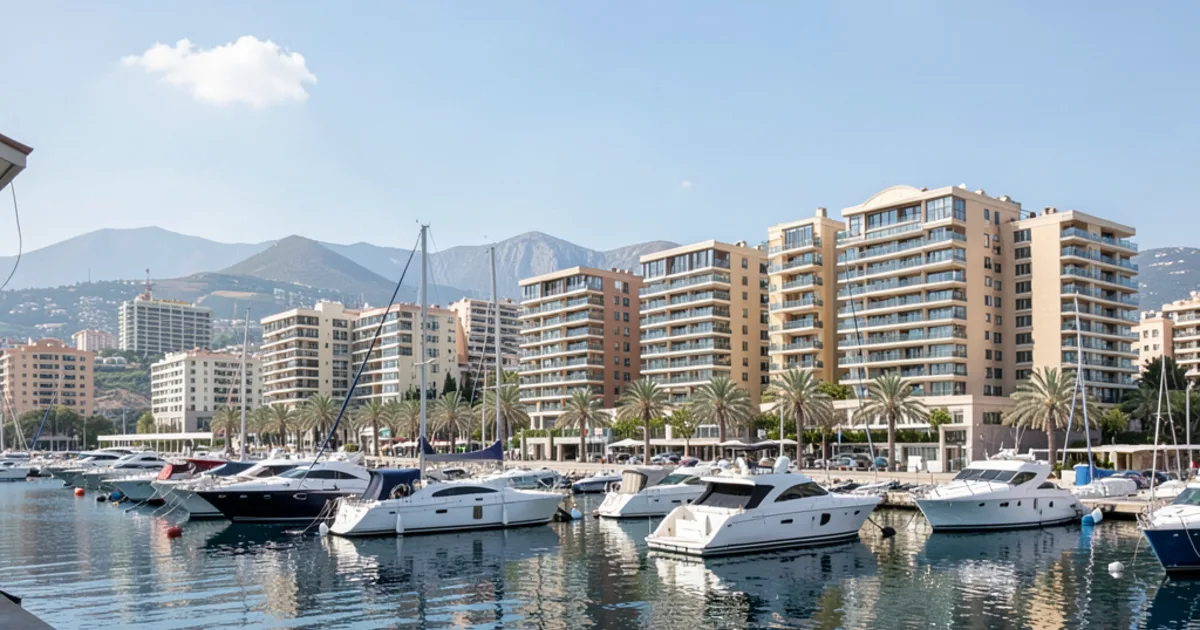
Tel Aviv, with its vibrant culture, stunning coastline, and burgeoning tech scene, has long captivated international investors. For American buyers seeking the pinnacle of Israeli luxury, a penthouse offers an unparalleled lifestyle and a potentially sound investment. However, beneath the allure of panoramic sea views and bespoke interiors lies a complex web of financial obligations that extend far beyond the initial purchase price. This comprehensive guide, crafted by LuxuryHomesIsrael, is designed to illuminate these often-overlooked 'hidden costs,' empowering American investors to approach their Tel Aviv penthouse acquisition with clarity and confidence.
- Understanding the Israeli Property Tax Landscape: Mas Rekhisha and Beyond
- Legal Fees and Due Diligence: Navigating Israeli Property Law
- Brokerage Commissions: The Israeli Standard
- Financing Costs and Mortgage Considerations for Non-Residents
- Renovation, Customization, and Interior Design Expenses
- Ongoing Maintenance and Property Management
- Insurance Premiums: Protecting Your Investment
- Currency Exchange and Transfer Fees: The Invisible Drain
- Utilities and Connectivity: The Cost of Modern Living
- Cultural Nuances and Local Expert Engagement
- The Unseen Cost of Time and Opportunity
Understanding the Israeli Property Tax Landscape: Mas Rekhisha and Beyond
One of the most significant and often underestimated 'hidden costs' for foreign buyers is the Israeli property tax system, particularly the Mas Rekhisha, or purchase tax. Unlike many other countries where stamp duty might be a fixed percentage, Mas Rekhisha is a progressive tax, meaning the rate increases with the property's value. For non-residents, the thresholds and percentages applied are generally higher than for Israeli citizens, significantly impacting the total acquisition cost of a high-value asset like a luxury penthouse.
It's crucial to understand that this tax is calculated on the full purchase price declared in the contract and must be paid within a relatively short period after signing. Failure to pay on time can result in substantial penalties and interest. An experienced Israeli tax advisor specializing in international transactions is indispensable here, as they can accurately calculate this obligation and guide you through the payment process, ensuring compliance with local regulations.
Beyond Mas Rekhisha, American investors should also be aware of potential future tax liabilities. If the penthouse is ever sold, Mas Shevah, or capital gains tax, will likely apply to any profit realized from the sale. While there are potential exemptions or reductions for Israeli residents under certain conditions, foreign investors typically face different rules. Understanding these implications from the outset is vital for long-term financial planning and investment strategy.
Furthermore, properties in Israel are subject to Arnona, a municipal property tax. This annual tax, based on the property's size and location, contributes to local services. While not a 'hidden' cost in the same way as purchase tax, its ongoing nature can add up, especially for larger, more luxurious properties in prime Tel Aviv locations, and should be factored into the annual budget.
Legal Fees and Due Diligence: Navigating Israeli Property Law
Engaging expert legal counsel is non-negotiable when purchasing property in Israel, particularly a high-value asset like a luxury penthouse. While legal fees are expected, the depth and breadth of work required in Israel often surprise foreign buyers, thus becoming a 'hidden' cost if not properly anticipated. Your Israeli lawyer will conduct extensive due diligence, verifying the property's legal status, ensuring clear title, and checking for any encumbrances or liens registered with the Tabu (Israel Land Registry).
This due diligence process involves reviewing all relevant permits, ensuring the property was built legally and in accordance with all planning regulations, which is especially critical for penthouses that may have unique structural or expansion permits. They will also scrutinize the 'binding memorandum' (Zichron Devarim) or preliminary agreement, protecting your interests before the formal contract is drafted. The complexity of these checks, coupled with the need for a lawyer fluent in both Hebrew legal terminology and international transaction nuances, translates into significant professional fees.
Beyond the initial purchase, legal counsel may be required for various ancillary services. This could include assistance with opening an Israeli bank account, obtaining a Tax ID number, or navigating foreign currency exchange regulations. For new luxury builds, your lawyer will also review the developer's contract meticulously, ensuring all warranties, completion dates, and payment schedules are clearly defined and protect your interests, especially regarding any potential delays or structural issues that might arise.
Given the substantial investment involved, skimping on legal representation is a false economy. A well-versed Israeli real estate lawyer will not only protect you from potential pitfalls but also ensure the entire transaction adheres to Israeli law, which can differ significantly from American legal frameworks. Their expertise is an investment in security and peace of mind, preventing far more costly issues down the line.
Brokerage Commissions: The Israeli Standard
While brokerage commissions are a standard part of real estate transactions globally, their structure and typical percentages in Israel can sometimes be a 'hidden' surprise for American investors accustomed to different norms. In Israel, it is common for both the buyer and the seller to pay a commission to their respective agents, or sometimes for a single agent to represent both parties and collect from both.
The standard commission rate for buyers in Israel typically ranges, and for luxury properties, while sometimes negotiable, it generally adheres to established industry norms. This fee is usually paid upon the signing of the binding contract, adding a substantial sum to the initial outlay. It's imperative to clarify the exact commission structure and percentage with your agent at the very beginning of your search to avoid any misunderstandings.
For a luxury penthouse, engaging a specialized broker with deep knowledge of the high-end Tel Aviv market is invaluable. They possess exclusive listings, understand the nuances of luxury amenities, and can navigate complex negotiations. While their commission is a cost, their expertise often pays dividends by securing a better deal, providing market insights, and streamlining the acquisition process for a foreign buyer.
Ensure your agreement with the broker is in writing, explicitly stating the commission rate, the services included, and the exact timing of payment. This transparency is key to managing expectations and budgeting accurately for this significant transactional cost, which, when combined with taxes and legal fees, forms a considerable portion of the initial financial commitment.
Financing Costs and Mortgage Considerations for Non-Residents
For American investors who choose to finance a portion of their luxury penthouse purchase, understanding the specific costs and complexities of obtaining a mortgage (Mashkanta) in Israel as a non-resident is crucial. While Israeli banks do offer mortgages to foreign buyers, the terms, interest rates, and loan-to-value ratios can differ significantly from what an American investor might encounter in their home country. These differences can translate into higher overall financing costs.
Non-resident mortgages often come with higher interest rates and require a larger down payment compared to those offered to Israeli citizens. The application process can also be more stringent, requiring extensive documentation of income, assets, and financial stability from your home country. This often necessitates additional legal and administrative fees for document translation, notarization, and verification, which can become 'hidden' expenses.
Furthermore, securing a mortgage in Israel often involves a valuation of the property by an approved appraiser, a cost typically borne by the buyer. There may also be mortgage origination fees, processing fees, and bank-mandated insurance policies (life insurance and property insurance) that add to the total cost of financing. These are not always explicitly stated upfront but are integral to the mortgage process.
It is highly advisable to consult with an independent mortgage broker specializing in non-resident mortgages in Israel. They can navigate the complexities of local banks, compare different offers, and help you understand the full scope of financing costs, including any fluctuating exchange rates if your income is in USD and your mortgage payments are in ILS. Proper planning for these financing charges is essential for accurate budgeting.
Renovation, Customization, and Interior Design Expenses
Many luxury penthouses, even new builds, offer the opportunity for personalization, which often entails significant additional costs. While the initial appeal of a penthouse might be its move-in readiness, foreign buyers often desire to tailor the space to their specific aesthetic preferences and functional needs. This can range from minor cosmetic upgrades to extensive structural modifications, all of which come with a substantial price tag.
Customization can include upgrading kitchen appliances beyond standard luxury offerings, installing smart home technology systems, bespoke cabinetry, unique lighting fixtures, or even reconfiguring room layouts. For a penthouse, outdoor spaces like terraces and rooftops are often prime candidates for elaborate landscaping, outdoor kitchens, Jacuzzis, or even private pools, all of which represent significant investments in design, materials, and labor.
Engaging a reputable interior designer and architect with experience in high-end Tel Aviv properties is paramount. Their fees, while substantial, are an investment in ensuring the vision is realized efficiently and to the highest standards. However, managing a renovation project from abroad can introduce unforeseen challenges and costs, such as increased project management fees, additional travel expenses for site visits, and potential delays due to communication barriers or supply chain issues.
Before committing to a purchase, especially for a new build, thoroughly review the developer's standard specifications and compare them against your desired finishes. Any deviation will incur extra costs. For existing penthouses, factor in a comprehensive renovation budget, including contingency funds for unexpected discoveries, as these expenditures can easily add a significant percentage to the overall investment, becoming a major 'hidden' cost if not planned meticulously.
Ongoing Maintenance and Property Management
Luxury penthouses, by their very nature, demand a higher level of ongoing maintenance and care than standard apartments. These costs, while predictable, can be surprisingly substantial for foreign owners and are often overlooked in the initial budgeting phase. The 'hidden' aspect lies in their accumulation over time and the potential for unexpected, high-cost repairs.
Firstly, 'Vaad Bayit' fees, similar to Homeowners Association (HOA) fees, are common in Israeli apartment buildings. For luxury penthouses, these fees are typically much higher due to the elevated level of services and amenities provided. This can include 24/7 security, concierge services, maintenance of communal pools, gyms, spas, elaborate lobbies, and high-speed elevators. These monthly or quarterly payments are mandatory and can run into significant sums.
Beyond communal fees, the penthouse itself often has unique maintenance requirements. Large terraces, private pools, specialized HVAC systems, smart home technology, and high-end appliances all require regular servicing and can incur substantial repair costs. For an American investor not residing in Israel full-time, engaging a reliable property management company becomes essential, adding another layer of recurring expense.
A professional property management company will oversee routine maintenance, handle tenant relations (if rented out), pay bills, and ensure the property remains in pristine condition. Their fees, typically a percentage of the rental income or a fixed monthly charge, are a necessary 'hidden' cost for absentee owners, ensuring their investment is protected and properly managed, but they must be factored into the annual financial plan.
Insurance Premiums: Protecting Your Investment
Protecting a high-value asset like a luxury penthouse requires comprehensive insurance coverage, and the premiums associated with these policies can be a significant, though often anticipated, 'hidden' cost. In Israel, as elsewhere, various types of insurance are available and often necessary, sometimes even mandatory for mortgage holders.
Property insurance (Bituach Neches) protects the physical structure of the penthouse against risks such as fire, water damage, natural disasters, and vandalism. For luxury properties with bespoke finishes and expensive installations, the coverage limits need to be substantial, leading to higher premiums. Contents insurance (Bituach Tochen) is also crucial if the penthouse will be furnished, covering valuable personal belongings.
Additionally, liability insurance (Bituach Tzadikim) is highly recommended. This protects the owner against claims from third parties for injuries or damages occurring on the property. Given the potential for high-value claims, particularly in a luxury setting, adequate liability coverage is a prudent investment. For properties with shared amenities, the building's Vaad Bayit will typically have master insurance policies, but these may not fully cover individual units or owner liabilities.
Securing insurance from abroad can sometimes be more complex, potentially leading to slightly higher premiums or requiring specific local insurers. It's advisable to work with an Israeli insurance broker who understands the local market and can tailor policies to the specific needs of a luxury penthouse owner, ensuring comprehensive coverage and clarity on all terms and conditions, thus preventing unexpected financial burdens in case of an incident.
Currency Exchange and Transfer Fees: The Invisible Drain
For American investors, the process of converting USD to Israeli Shekels (ILS) for the property purchase and ongoing expenses presents a significant, yet often underestimated, 'hidden' cost: currency exchange rates and transfer fees. While seemingly small percentages, when applied to multi-million dollar transactions, these can amount to substantial sums.
Banks and financial institutions typically apply a spread to the interbank exchange rate, meaning you receive slightly less ILS for your USD than the market rate. This difference, often a few percentage points, can translate into tens of thousands of dollars on a luxury penthouse purchase. Furthermore, wire transfer fees, both from your US bank and potentially recipient fees from the Israeli bank, add to the transaction costs.
Fluctuations in the USD/ILS exchange rate between the time you budget and the time you execute payments can also lead to unexpected costs or gains. A sudden weakening of the dollar against the shekel could mean your budgeted USD amount no longer covers the ILS price, forcing you to allocate more funds. Conversely, a strengthening dollar could provide a small advantage, but reliance on market shifts is risky.
To mitigate these 'hidden' costs, consider using specialized foreign exchange services rather than traditional banks for large transfers. These services often offer more competitive exchange rates and lower transaction fees. Planning your transfers strategically and potentially hedging against extreme currency fluctuations are also options worth exploring with a financial advisor, ensuring you maximize the value of your dollar.
Utilities and Connectivity: The Cost of Modern Living
While seemingly minor, the ongoing utility costs for a luxury penthouse in Tel Aviv can accumulate into a significant 'hidden' expense, especially for a property with extensive features. These include electricity, water, gas, internet, and television services. For a large penthouse with multiple air conditioning units, smart home systems, and high-end appliances, electricity bills can be particularly substantial during Tel Aviv's hot summers.
Water consumption, especially if the penthouse includes private pools, extensive landscaping on terraces, or multiple high-end bathrooms, can also be higher than anticipated. Gas is generally used for heating water and sometimes for cooking. These basic utilities are essential for comfortable living but represent a continuous financial outflow that needs to be budgeted for, often overlooked in the excitement of a new acquisition.
Beyond basic utilities, high-speed internet and premium television packages are expected amenities in a luxury penthouse. The monthly subscriptions for these services, especially if opting for top-tier providers and international channels, add to the recurring costs. For a foreign investor, ensuring reliable connectivity is often a priority for staying in touch and managing affairs remotely.
Setting up these accounts and managing payments from abroad can also incur administrative time and effort. While not 'hidden' in the sense of being unexpected, the cumulative annual cost of these services, especially for a large luxury property, can be considerably higher than what an American investor might be accustomed to for a similarly sized property in the US, making them a noteworthy line item in the overall budget.
Cultural Nuances and Local Expert Engagement
Perhaps the most subtle, yet impactful, 'hidden' costs for an American investor in Tel Aviv are those associated with navigating cultural nuances and the imperative need for local expertise. While not directly financial, missteps in this area can lead to delays, misunderstandings, and ultimately, increased expenses or missed opportunities.
Understanding the local business customs, negotiation styles, and communication protocols is crucial. For instance, the pace of transactions, the role of personal relationships, and the intricacies of Israeli bureaucracy can differ significantly from American experiences. Engaging local experts who are not only multilingual but also deeply ingrained in the Tel Aviv luxury real estate market is paramount.
This includes not just lawyers and brokers, but also architects, designers, contractors, and property managers who understand local regulations, material availability, and labor practices. The 'cost' here lies in the investment of time and resources to find and vet these professionals, and potentially paying a premium for their specialized knowledge and network. However, this investment mitigates the risk of costly errors or protracted processes.
For an American investor, the 'hidden' cost of not understanding the local context can manifest in overpaying, signing unfavorable terms, or experiencing significant project delays. Therefore, allocating resources to build a trusted team of local advisors who can bridge cultural and linguistic gaps is not merely a convenience but a strategic necessity for a successful and seamless luxury penthouse acquisition in Tel Aviv.
The Unseen Cost of Time and Opportunity
While not a direct monetary expense, the 'hidden cost' of time and opportunity for an American investor acquiring a luxury penthouse in Tel Aviv can be substantial. The process, especially for foreign buyers, often requires a significant investment of time for research, due diligence, travel, and managing various aspects of the transaction from a distance. This time could otherwise be spent on income-generating activities or personal pursuits.
Navigating a foreign legal system, understanding local tax implications, coordinating with multiple professionals across different time zones, and potentially overseeing renovations can be incredibly time-consuming. For high-net-worth individuals, time is a valuable commodity, and the opportunity cost of diverting focus from primary business interests or investments to manage a property acquisition can be substantial.
Furthermore, if the intention is to rent out the penthouse, delays in the acquisition or renovation process mean lost rental income, a direct financial 'hidden' cost. The opportunity cost also extends to capital. While funds are tied up in the acquisition process, they are not available for other investments that might yield returns. This illiquidity, even for a short period, has an economic value that should be considered.
Mitigating this 'hidden' cost involves proactive planning, delegating effectively to a trusted local team, and setting realistic timelines. While some level of time investment is unavoidable, a well-managed process, facilitated by expert advisors, can significantly reduce the 'unseen' burden of time and ensure the focus remains on the strategic benefits of the investment rather than operational complexities.
FAQ
Is the Mas Rekhisha (purchase tax) the same for Israeli citizens and American investors?
No, the Mas Rekhisha is generally higher for non-residents, including American investors, compared to Israeli citizens. The tax rates are progressive and depend on the property's value, with different thresholds and percentages applied to foreign buyers.
Do I need an Israeli bank account to purchase a luxury penthouse in Tel Aviv?
While not strictly mandatory for the initial contract, opening an Israeli bank account is highly recommended and often necessary for facilitating payments, managing ongoing expenses like utilities and Vaad Bayit fees, and receiving rental income if you choose to lease the property.
What is the Tabu, and why is it important for my property purchase?
The Tabu is the Israel Land Registry, the official government body that records all property ownership and encumbrances. It is crucial because your lawyer will verify the property's clear title and register your ownership with the Tabu, providing legal proof of your acquisition.
Can I get a mortgage (Mashkanta) in Israel as a non-resident American investor?
Yes, Israeli banks do offer mortgages to non-residents, but the terms, interest rates, and loan-to-value ratios may differ from those offered to Israeli citizens. It is advisable to consult with a specialized mortgage broker for non-residents.
What is Arnona, and how does it affect my ownership of a Tel Aviv penthouse?
Arnona is an annual municipal property tax levied by local authorities in Israel. It is based on the property's size and location and contributes to local services, representing an ongoing operational cost for penthouse owners.
Get your personalised shortlist
Listings and up-to-date info, straight to your inbox, free, no obligation.
See luxury homes →