Which luxury neighborhoods in Jerusalem offer the best public transport links for a retiree without a car?
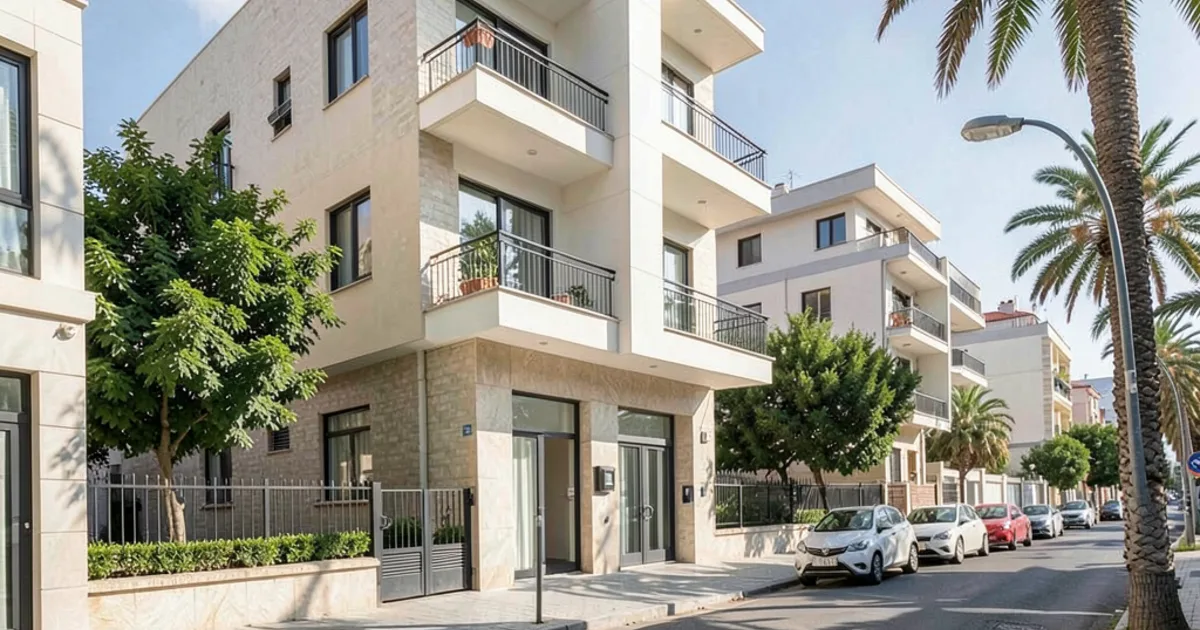
For discerning retirees considering a move to the Holy City, the allure of Jerusalem is undeniable. However, for those envisioning a lifestyle free from the burdens of car ownership, the choice of neighborhood becomes paramount. This comprehensive guide from LuxuryHomesIsrael delves deep into Jerusalem's most coveted luxury enclaves, meticulously evaluating their public transport infrastructure, accessibility to essential services, and overall suitability for a comfortable, independent retirement without a vehicle.
Quick answer: While Jerusalem's public transport is improving, it remains less extensive than in Tel Aviv. Retirees without a car often find that neighborhoods like Ramat HaShofar or parts of the French Hill offer better access to the new light rail and bus lines, though a car is still highly recommended for full independence.
- Why Public Transport is a Key Consideration for Luxury Retirement in Jerusalem
- Understanding Jerusalem's Public Transport Network
- Rehavia: Old-World Charm with Modern Connectivity
- Talbiya: Diplomatic Elegance and Accessible Luxury
- Baka: Bohemian Charm Meets Urban Convenience
- Old Katamon/German Colony: History, Greenery, and Accessibility
- Arnona: Elevated Views and Evolving Connectivity
- Navigating the Israeli Real Estate Market as a Retiree
- Embracing the Local Lifestyle: Language and Community
- Anticipating Challenges and Planning for a Smooth Transition
- The Unparalleled Advantage of a LuxuryHomesIsrael Advisor
Why Public Transport is a Key Consideration for Luxury Retirement in Jerusalem
While many luxury properties come with ample parking, the decision to forego car ownership in retirement is increasingly common, particularly for those relocating from abroad. This choice often stems from a desire for a more relaxed pace of life, environmental consciousness, or simply the practicalities of navigating a new city. In Jerusalem, a city known for its intricate road network and often challenging parking, reliable public transport transforms from a convenience into a fundamental necessity, ensuring continued independence and access to all the city has to offer.
Opting out of car ownership eliminates the recurring expenses of vehicle maintenance, insurance, fuel, and parking, freeing up significant financial resources that can be redirected towards other aspects of a luxurious retirement. Furthermore, it removes the stress associated with driving in unfamiliar traffic conditions, allowing retirees to fully immerse themselves in Jerusalem's rich cultural tapestry without the added burden of navigation. A well-connected neighborhood ensures spontaneous outings, social engagements, and seamless access to medical appointments and cultural events.
Beyond financial and practical considerations, the availability of excellent public transport fosters a greater sense of community integration. Walking to a bus stop or light rail station often leads to more incidental social interactions, contributing to overall well-being and reducing feelings of isolation. This connectivity is not just about getting from point A to point B; it's about maintaining a vibrant, engaged lifestyle where the city's myriad attractions are always within easy reach, enriching the retirement experience significantly.
Understanding Jerusalem's Public Transport Network
Jerusalem boasts a robust and continually expanding public transport system, primarily consisting of an efficient light rail network and an extensive bus service. The light rail, often referred to as the 'Rakevet הקלה' (Ha'Kala), runs through the city's main arteries, connecting key districts and commercial centers. Its reliability and dedicated tracks make it a highly desirable mode of transport, particularly during peak hours, offering a smooth and predictable journey.
Complementing the light rail, the bus network, operated by Egged, covers virtually every corner of the city, including many residential streets not directly served by the light rail. Buses are frequent on major routes, and real-time tracking apps have significantly improved user experience, allowing passengers to plan their journeys with greater precision. For retirees, understanding the interplay between these two systems is crucial for maximizing independent mobility.
Fares are typically paid using a 'Rav-Kav' smart card, which can be loaded with credit or various pass options, including discounted senior citizen rates. This integrated system allows for seamless transfers between buses and the light rail within a specified time frame, making multi-leg journeys economical and straightforward. Acquiring a Rav-Kav and familiarizing oneself with its usage is one of the first steps for any new resident relying on public transport.
Rehavia: Old-World Charm with Modern Connectivity
Rehavia, renowned for its stately Bauhaus architecture, tree-lined streets, and intellectual ambiance, offers a compelling proposition for luxury retirees. Its central location places residents within walking distance of many cultural institutions, upscale eateries, and boutique shops. The neighborhood's inherent walkability is a significant advantage, reducing reliance on public transport for shorter errands and leisure activities, fostering a healthy and active lifestyle.
Public transport in Rehavia is excellent, with numerous bus lines traversing its main thoroughfares, connecting residents to virtually every part of the city. While the light rail does not directly pass through Rehavia, several key light rail stations are easily accessible via a short bus ride or a pleasant walk, particularly the stations along Jaffa Road. This dual connectivity ensures that residents can choose the most convenient mode for their destination.
Beyond transport, Rehavia boasts a high concentration of essential amenities. Upscale grocery stores, pharmacies, medical clinics, and a variety of dining options are all within easy reach. The tranquil parks and green spaces provide perfect spots for relaxation and gentle exercise, contributing to the neighborhood's high quality of life. For those seeking a sophisticated, cultured environment with robust transport links, Rehavia stands out as a prime choice.
- Pros: Central location, high walkability, numerous bus lines, proximity to cultural sites.
- Cons: Light rail requires a short connecting bus ride or walk.
Talbiya: Diplomatic Elegance and Accessible Luxury
Talbiya, often considered Jerusalem's most prestigious residential neighborhood, exudes an air of diplomatic elegance with its grand villas, manicured gardens, and proximity to major cultural institutions like the Jerusalem Theater and the President's Residence. For retirees seeking an exclusive yet connected lifestyle, Talbiya presents an attractive option. The neighborhood's quiet, leafy streets are ideal for leisurely strolls, adding to its appeal for those who appreciate a serene environment.
While Talbiya itself maintains a more residential character, it is exceptionally well-served by bus routes that fan out to all corners of the city, including direct connections to the city center and the light rail network. The main arteries bordering Talbiya, such as Keren Hayesod Street and Jabotinsky Street, are key public transport corridors, ensuring frequent and reliable service. This strategic positioning allows residents to easily access the hustle and bustle of the city while returning to a peaceful retreat.
The neighborhood's proximity to central amenities is another significant advantage. High-end dining, specialty shops, and medical services are readily available. Furthermore, the cultural vibrancy of the nearby German Colony and the First Station complex, both easily reachable by public transport or a short walk, provides a constant stream of activities and entertainment. Talbiya offers a blend of serene luxury and excellent connectivity, making it a strong contender for car-free retirees.
- Pros: Prestigious atmosphere, excellent bus connectivity, close to cultural institutions.
- Cons: Less direct light rail access within the immediate neighborhood.
Baka: Bohemian Charm Meets Urban Convenience
Baka, with its charming stone houses, vibrant community, and bustling Emek Refaim Street, offers a distinct character that appeals to many retirees. It's known for its bohemian atmosphere, independent boutiques, cafes, and diverse culinary scene. The neighborhood fosters a strong sense of local community, making it easy for newcomers to integrate and find social connections, which is particularly valuable for those seeking an active retirement.
Public transport in Baka is robust, with numerous bus lines intersecting the neighborhood and providing direct routes to the city center, the Old City, and other key areas. Emek Refaim Street, the heart of Baka, is a major bus artery, ensuring frequent service throughout the day. The recent expansion of public transport infrastructure has further enhanced Baka's connectivity, making it increasingly viable for a car-free lifestyle.
Beyond transport, Baka excels in its accessibility to daily necessities and leisure activities. Supermarkets, pharmacies, banks, and a wide array of restaurants are all within walking distance. The popular First Station complex, offering dining, shops, and cultural events, is also easily accessible. For retirees who appreciate a lively, community-oriented neighborhood with excellent transport links and a European-style high street, Baka is an outstanding choice.
- Pros: Vibrant community, excellent bus network, walkability to shops and restaurants.
- Cons: Can be busy, especially on Emek Refaim Street.
Old Katamon/German Colony: History, Greenery, and Accessibility
The Old Katamon and German Colony neighborhoods, often considered together due to their contiguous nature and similar appeal, blend historical charm with modern convenience. The German Colony, in particular, is famed for its picturesque Templar-era buildings and the pedestrian-friendly Emek Refaim Street, while Old Katamon offers a quieter, more residential ambiance with beautiful stone houses and mature gardens. Both areas provide a high quality of life for discerning retirees.
Public transport here is exceptionally well-developed. Emek Refaim Street serves as a major bus corridor, with frequent services connecting residents to the city center, the Old City, and beyond. Additionally, the proximity to the First Station complex means easy access to additional bus lines and a vibrant hub of activity. The interconnectedness of these neighborhoods ensures comprehensive coverage for public transport users.
The appeal for retirees is further enhanced by the abundance of amenities. Both neighborhoods boast excellent medical facilities, a variety of shops, and a diverse culinary scene catering to all tastes. The lush green spaces, including the popular Train Track Park (Park HaMesila), offer perfect opportunities for walking, cycling, and enjoying the outdoors, all easily accessible without a car. This combination of historical charm, green spaces, and superb connectivity makes these areas highly desirable.
- Pros: Historic charm, excellent bus service, close to amenities and green spaces, vibrant cultural scene.
- Cons: Some parts can be hilly, which might be a consideration for mobility.
Arnona: Elevated Views and Evolving Connectivity
Arnona, situated on a hill overlooking the Judean Desert, offers some of Jerusalem's most breathtaking views, particularly from its luxury properties. This neighborhood has seen significant development in recent years, including new luxury builds and an enhanced infrastructure, making it increasingly attractive to affluent retirees. Its slightly elevated position provides a sense of tranquility and exclusivity, while still maintaining connections to the city.
While historically Arnona might have been perceived as less central, its public transport links have improved considerably. Numerous bus lines now serve the neighborhood, providing direct routes to the city center, the Talpiot commercial zone, and connections to the light rail. The evolving transport network is continuously adapting to the area's growth, ensuring residents have reliable options for getting around. Planning routes in advance is advisable to optimize travel times.
Amenities in Arnona are expanding alongside its residential development. New shopping centers, cafes, and medical facilities are emerging, complementing existing services. For retirees who prioritize modern luxury homes, expansive views, and a quieter environment, Arnona offers a compelling choice with a growing public transport infrastructure. It represents a forward-looking option for those seeking a balance between serene living and urban access.
- Pros: Spectacular views, modern luxury properties, improving public transport, quieter environment.
- Cons: Can be less central than other options, requiring slightly longer travel times for some destinations.
Navigating the Israeli Real Estate Market as a Retiree
Purchasing luxury property in Israel involves navigating a distinct legal and financial landscape. A crucial first step is engaging a reputable real estate agent specializing in luxury properties, such as LuxuryHomesIsrael, who can guide you through the intricacies of the market. Understanding terms like 'Tabu' (the land registry that confirms legal ownership) is fundamental, as is the process of drafting a binding memorandum of understanding before a formal contract.
Prospective buyers should also be aware of the tax implications. 'Mas Rekhisha' (purchase tax) is levied on property acquisitions, with rates varying based on the buyer's residency status and whether it's their sole property in Israel. For non-residents or those purchasing a second property, the rates can be substantial. Consulting with an Israeli tax advisor early in the process is highly recommended to understand your specific obligations and optimize your financial planning.
For those considering a mortgage, known as 'Mashkanta,' Israeli banks offer various options, though terms may differ for foreign residents. It's essential to factor in ongoing property taxes, 'Arnona,' which is a municipal tax based on property size and location, as well as 'Vaad Bayit' (building maintenance fees) for apartments. Engaging a local attorney is indispensable to ensure all legal aspects are handled correctly, from contract review to registration in the Tabu, safeguarding your investment.
Embracing the Local Lifestyle: Language and Community
Beyond property and transport, integrating into the local lifestyle is key to a fulfilling retirement in Jerusalem. While many Israelis, particularly in luxury service sectors, speak English, learning some basic Hebrew can significantly enhance daily interactions and deepen your connection to the culture. Many 'Ulpanim' (Hebrew language schools) offer courses tailored for new immigrants and retirees, providing both linguistic skills and a social outlet.
Jerusalem is a city of diverse communities, and finding your niche can greatly enrich your retirement. Many neighborhoods, especially those popular with English-speaking immigrants, have active community centers, synagogues, and social groups. Participating in local events, volunteering, or joining clubs aligned with your interests are excellent ways to meet new people and build a support network.
Embracing the rhythms of Israeli life, from the bustling markets to the quiet sanctity of Shabbat, offers a unique experience. Being open to new customs and traditions will make your transition smoother and more rewarding. The luxury of a well-connected home allows for effortless exploration of this vibrant culture, fostering a retirement rich in experiences and meaningful connections.
Anticipating Challenges and Planning for a Smooth Transition
While the prospect of luxury retirement in Jerusalem is exciting, it's prudent to anticipate potential challenges and plan accordingly. Adjusting to a new country, even with excellent public transport, can take time. Familiarizing yourself with local customs, banking systems, and healthcare procedures before your move will significantly ease the transition. Patience and an open mind are invaluable assets during this period.
Healthcare in Israel is of a high standard, but understanding the system is crucial. Retirees will need to register with one of the 'Kupot Cholim' (health funds) to access public healthcare services. Private health insurance options are also available and might be preferred by some for additional coverage or specific services. Investigating these options thoroughly is an essential part of pre-move planning.
Consider a trial period, perhaps renting a luxury apartment in a prospective neighborhood for several months before committing to a purchase. This allows you to experience the public transport firsthand, assess the local amenities, and gauge the overall suitability of the area for your lifestyle. LuxuryHomesIsrael can assist with high-end rental options, providing a pragmatic approach to finding your ideal retirement haven.
The Unparalleled Advantage of a LuxuryHomesIsrael Advisor
Navigating the Jerusalem luxury real estate market, especially when factoring in specific needs like public transport access for retirees, requires an expert touch. LuxuryHomesIsrael offers unparalleled advisory services, leveraging deep local knowledge and extensive experience in high-end properties. Our advisors understand the nuances of each neighborhood, not just in terms of property value, but also lifestyle compatibility.
We go beyond simply showing properties; we provide holistic guidance, connecting you with trusted legal counsel, tax experts, and financial advisors who specialize in assisting foreign buyers and retirees. Our goal is to ensure a seamless and informed purchasing process, from initial property search to final Tabu registration, anticipating and addressing every potential concern you might have.
Choosing LuxuryHomesIsrael means partnering with a team dedicated to understanding your unique retirement vision. We meticulously match your desires for luxury, connectivity, and community with the perfect Jerusalem neighborhood, ensuring your transition to a car-free, independent, and vibrant retirement is as smooth and successful as possible. Your dream luxury home in Jerusalem, perfectly positioned for your lifestyle, awaits.
FAQ
Are senior citizen discounts available on Jerusalem's public transport?
Yes, retirees are eligible for significant discounts on public transport fares in Jerusalem. Upon presenting valid identification, a discounted Rav-Kav card can be obtained, offering reduced rates on both bus and light rail services, making travel more economical.
What is the average walking distance to public transport stops in these luxury neighborhoods?
In the mentioned luxury neighborhoods like Rehavia, Talbiya, Baka, and the German Colony, most luxury properties are typically within a comfortable 5 to 10-minute walk of a bus stop. Light rail stations might require a slightly longer walk or a short connecting bus ride in some areas.
Is it difficult to get a taxi or ride-sharing service if public transport isn't suitable for a specific trip?
No, taxis are readily available throughout Jerusalem, and popular ride-sharing apps operate efficiently in the city. While the focus is on public transport, these services provide excellent backup options for specific needs, such as late-night travel or carrying heavy shopping, ensuring complete mobility.
What kind of luxury properties are typically available in these public-transport-friendly neighborhoods?
These neighborhoods offer a range of luxury properties, including spacious apartments with high-end finishes, penthouses with panoramic views, and beautifully renovated historic stone villas. New luxury builds are also emerging, often featuring modern amenities and smart home technologies, catering to diverse preferences.
How can I assess the public transport connectivity of a specific luxury property before purchasing?
LuxuryHomesIsrael advises potential buyers to conduct site visits during different times of the day to experience the transport links firsthand. Additionally, utilizing online mapping tools and public transport apps can provide detailed route information, frequency data, and estimated travel times from any specific address, offering a clear picture of connectivity.
Get your personalised shortlist
Listings and up-to-date info, straight to your inbox, free, no obligation.
See luxury homes →